- Category
- Photography
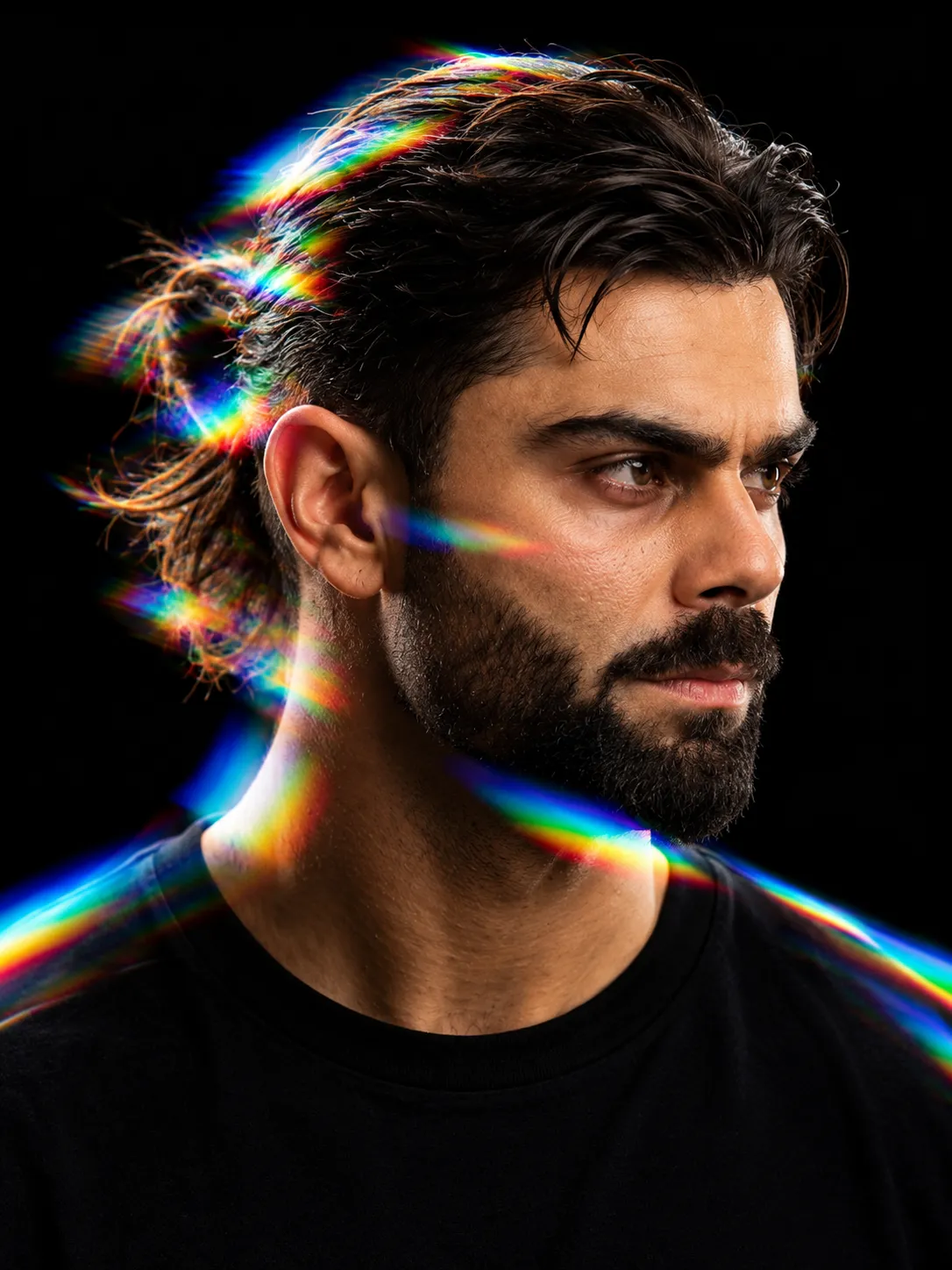
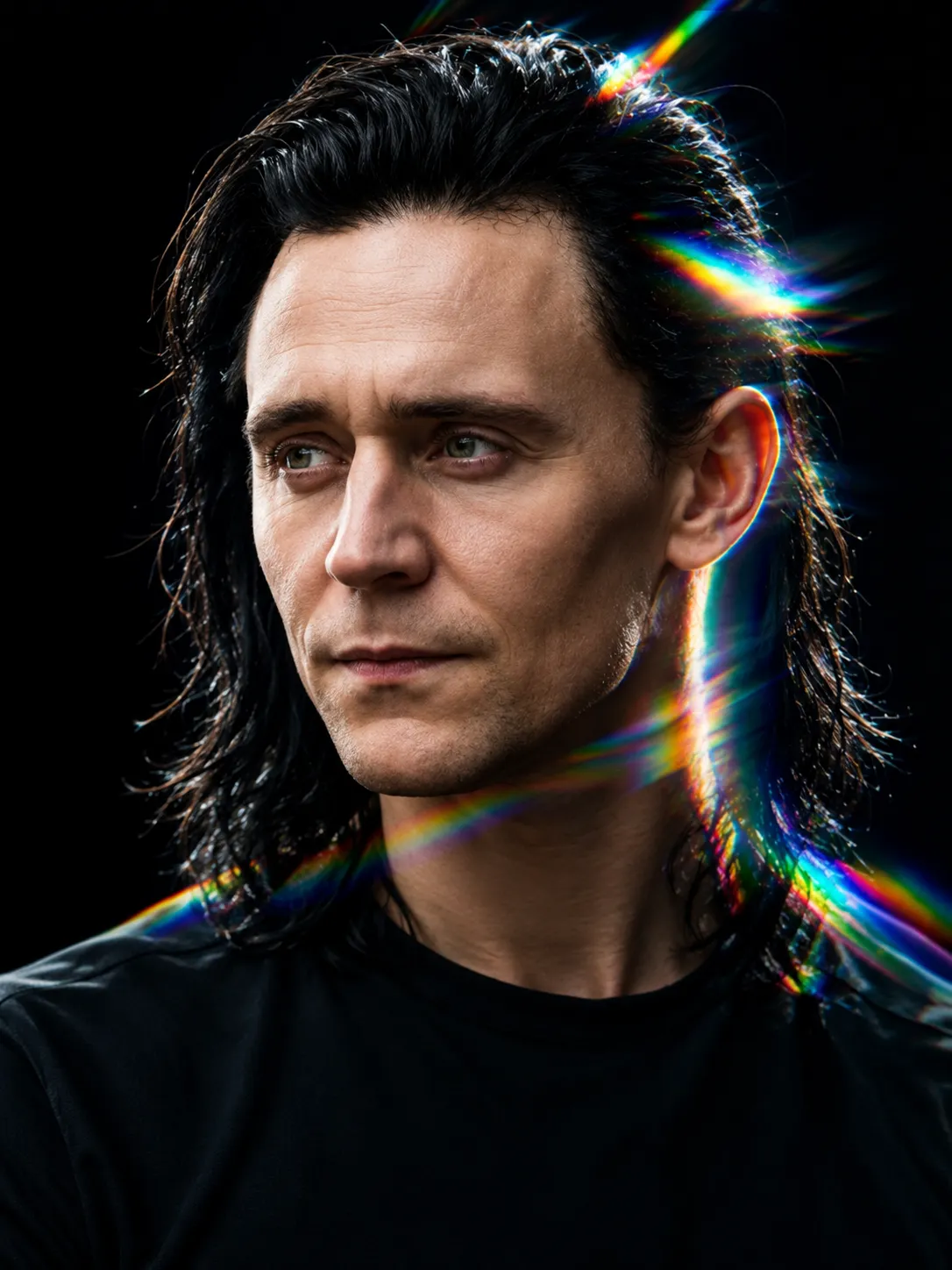
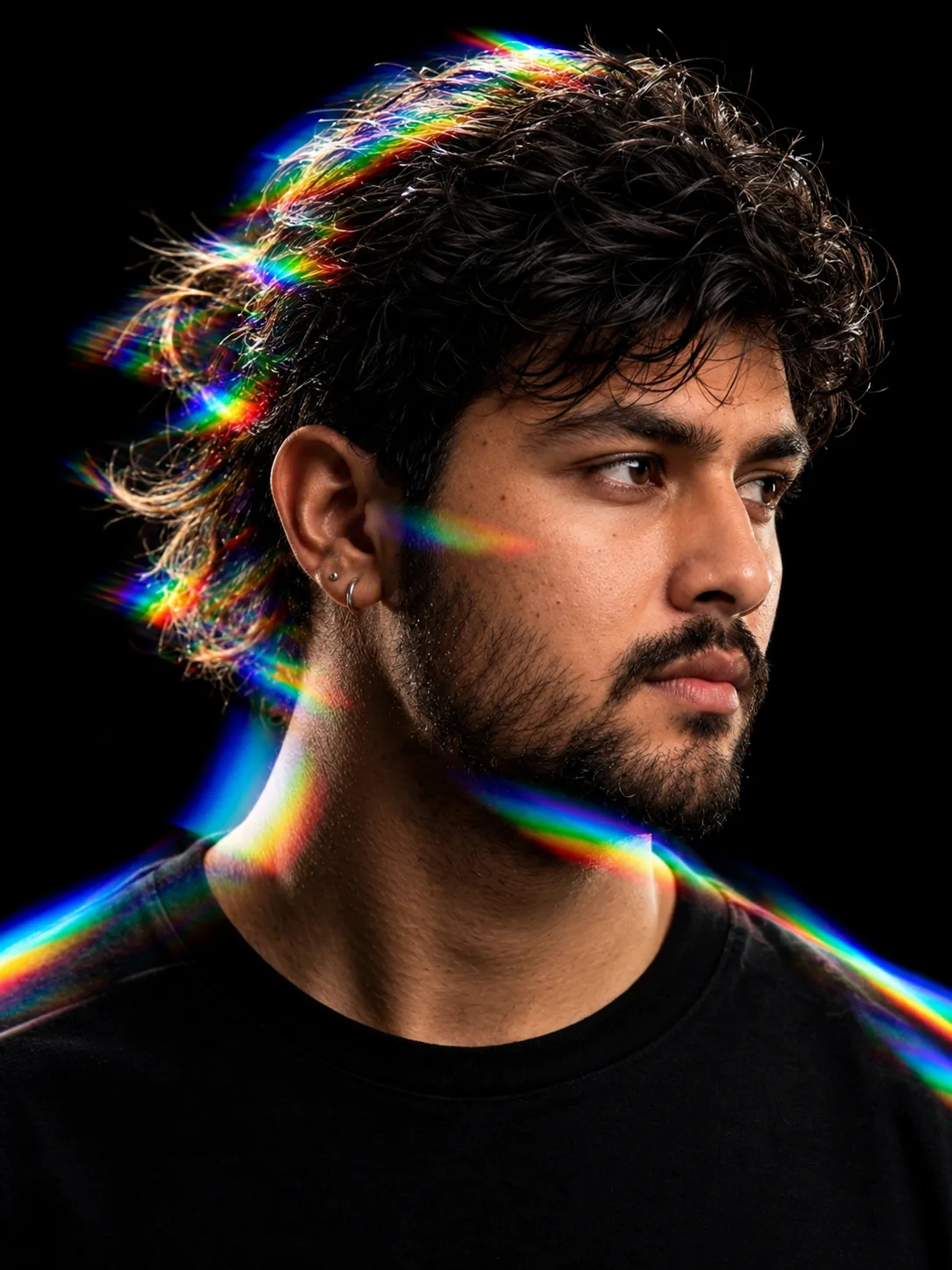
Cinematic Prismatic Portrait
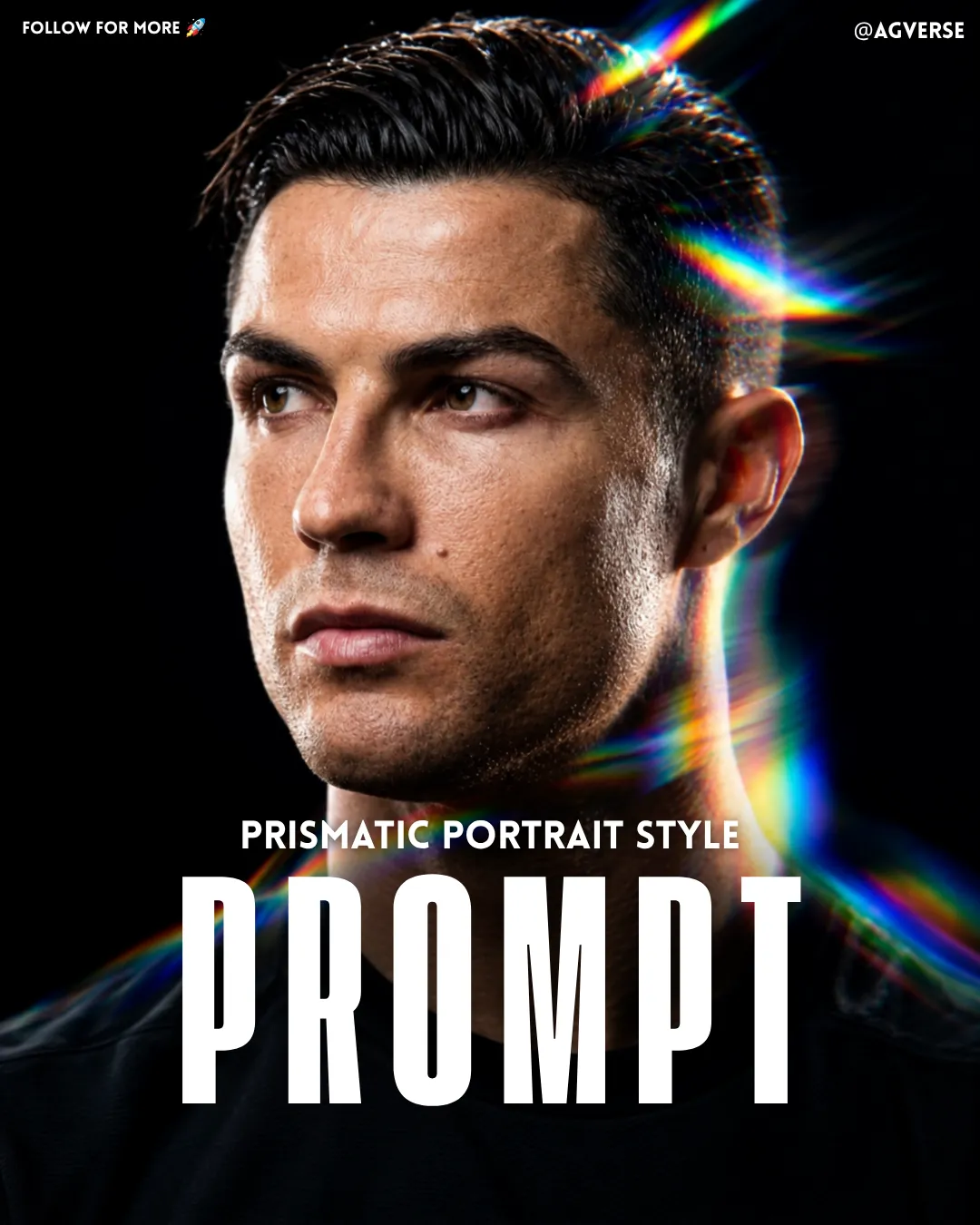
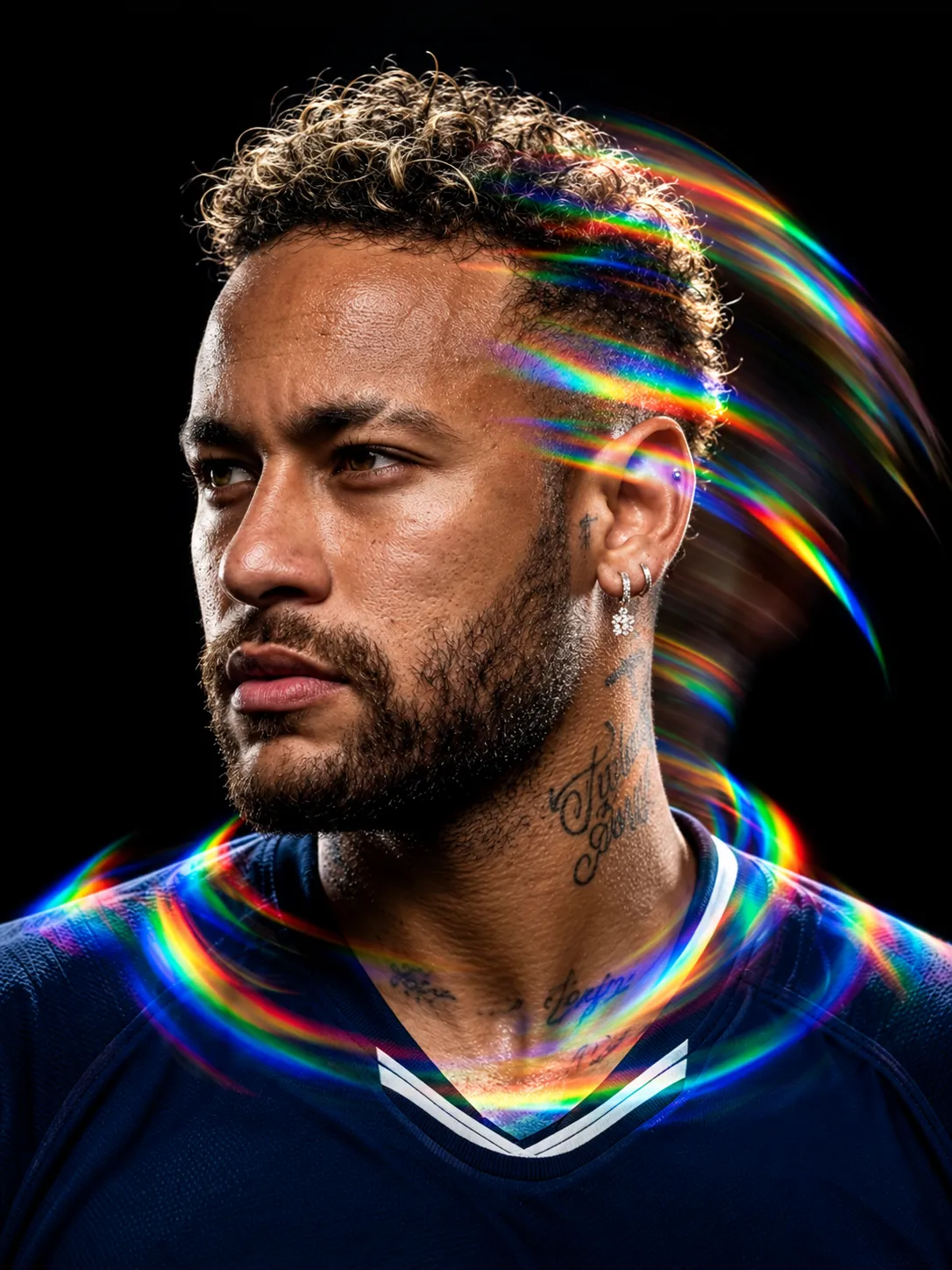
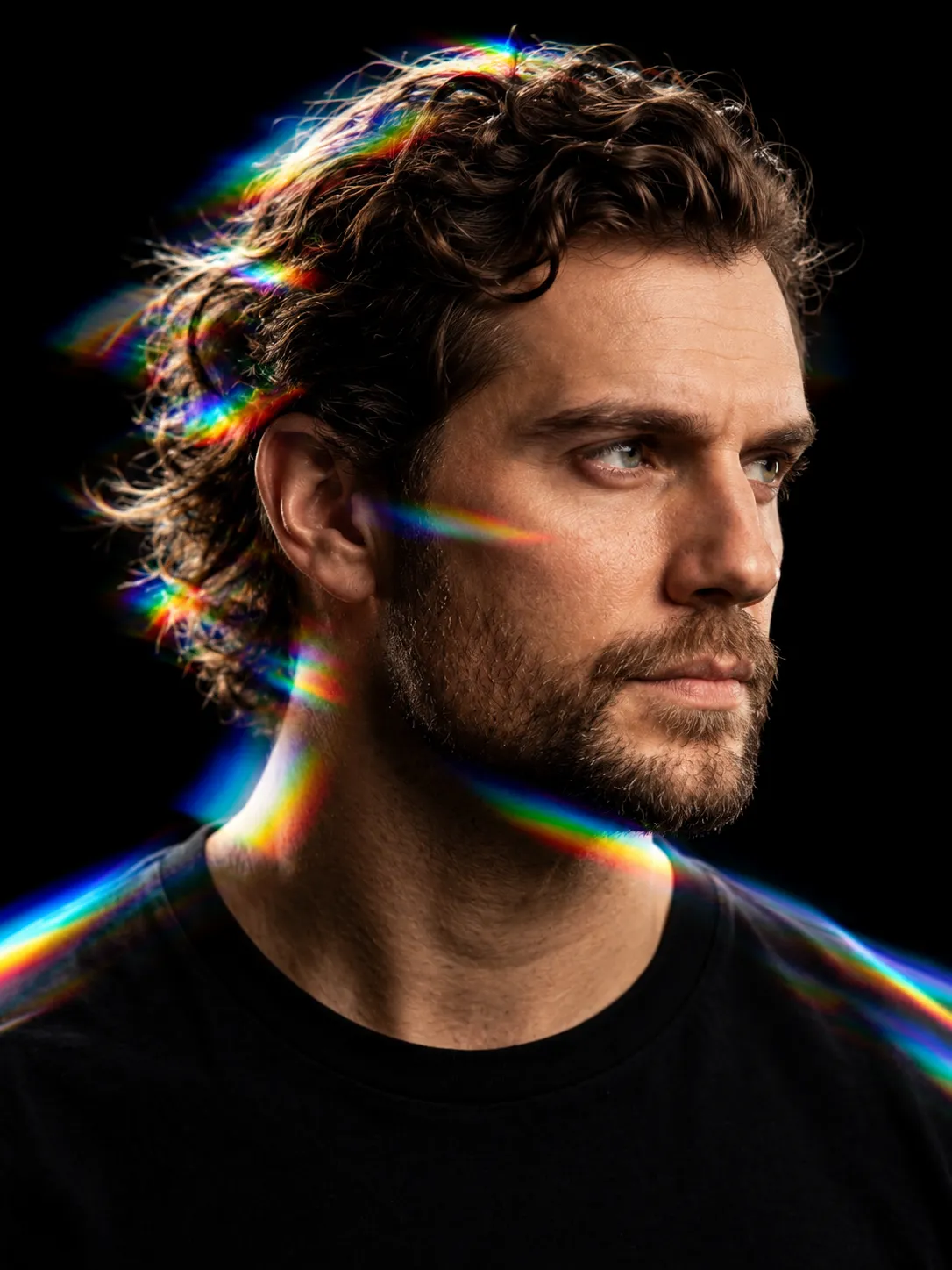
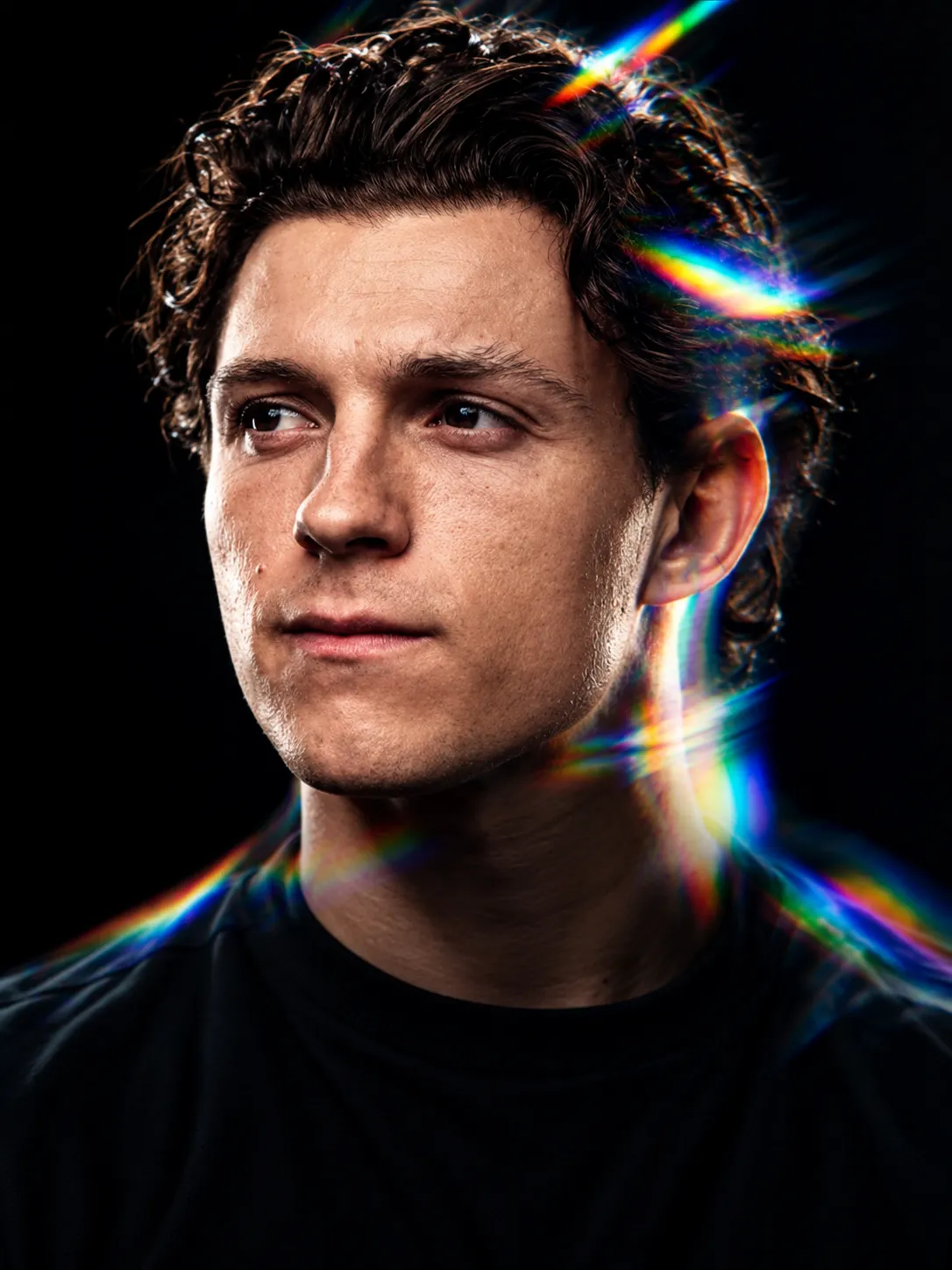
Create a photorealistic, high-contrast portrait using the user’s photo for identity and a reference image for composition, lighting, and prismatic effects.
By Threads — Published on
Example images
Prompt template
- Format
- Markdown
- Inputs
- user_photo (image) · Required reference_image (image) · Required
- Outputs
- cinematic_prismatic_portrait (image)
Create a high-resolution, photorealistic vertical portrait in a 3:4 aspect ratio. Use the supplied reference image only as a guide to visual style, composition, framing, lighting, color grading, pose, background, and optical effects. Use the user’s uploaded photograph as the sole identity reference. Preserve the user’s recognizable appearance and natural features; do not reproduce the reference subject’s identity or blend facial features from the reference image with the user.

Create a luxury cinematic, ultra-realistic editorial portrait with high-contrast studio lighting, a dark minimalist aesthetic, and realistic prismatic chromatic light. Frame a tight head-and-shoulders portrait extending to the upper chest. Position the face slightly left of center, with the head occupying most of the upper and middle frame. Keep the entire hairstyle, chin, neck, and upper shoulders visible. Use deep black negative space around the head and shoulders, with strong subject separation against a smooth, seamless, near-pure black background and no visible environment or objects.

Use an eye-level to subtly low-angle perspective. Turn the head slightly toward the left in a three-quarter angle while keeping the face clearly visible; have the subject look slightly upward and toward the left side of the frame. Give the subject a serious, composed, confident, introspective expression with relaxed lips. Preserve the user’s original face shape, eye shape, eyebrows, nose, lips, jawline, ears, skin tone, facial proportions, and distinctive natural features. Keep the eyes, nose, lips, and central facial features unobstructed. Maintain highly detailed, natural skin texture, including visible pores, realistic microtexture, subtle imperfections, and lifelike tonal variation. Apply minimal professional retouching and avoid smoothing away natural features.

Adapt the hairstyle to the user’s photograph when identity preservation is the priority. Render detailed individual strands, realistic shine, natural volume, and defined edges. If consistent with the user’s photograph, use a neatly styled, voluminous dark hairstyle with a swept-back shape. Dress the subject in a plain black crew-neck T-shirt made of matte black cotton, with subtle realistic folds and fine fabric texture. Include no logos, graphics, or visible text.

Light the face with a large, controlled studio softbox positioned at the front-left. The key light should be directional, soft, and contrast-rich, illuminating the forehead, bridge of the nose, cheekbone, lips, and facial contours while retaining natural shadow detail. Use low-intensity fill to preserve realistic skin detail in the shadows without flattening facial structure. Add a narrow cinematic rim light from behind and to the right, subtly separating the hair, ear, neck, and shoulder from the black background. Use deep blacks, rich midtones, controlled highlights, and dimensional facial shadows. Protect skin highlights and preserve visible detail in dark clothing.

Add vivid but controlled rainbow dispersion and cinematic chromatic light streaks. The optical treatment should resemble realistic prism refraction, spectral dispersion, anamorphic-style flare, and subtle chromatic aberration—not flat colored paint. Use electric cyan, saturated blue, emerald green, golden yellow, orange, vivid red, and magenta. Place a diagonal rainbow streak entering from the upper-right corner and grazing the upper hairstyle. Add a second horizontal-to-diagonal spectral flare across the dark area near the right side of the hair. Add a vertically elongated, softly dispersed rainbow refraction along the outer right edge of the ear, neck, and shoulder. Add a thinner diagonal spectral streak traveling from the lower-left edge toward the shoulder and neck, plus a restrained colored reflection along the black garment for separation. Keep the streaks predominantly diagonal and horizontal, with a curved vertical refraction on the right. Keep the spectrum distinct from natural skin tones and do not let rainbow streaks obscure the eyes.

Render fine spectral fringes with smooth light transitions. Keep the effect vivid and luminous but controlled, with restrained, localized bloom around the brightest prismatic highlights. Use professional full-frame portrait photography with an 85mm portrait lens at f/2.8. Keep the eyes and facial texture tack-sharp, with shallow depth of field that is still sufficient to keep the face sharp. Use high dynamic range with controlled highlights and rich shadows. Enhance fine facial and hair detail without harsh digital edges. Maintain deep, clean blacks without crushing important facial shadows, neutral-to-warm skin tones, high contrast, and saturated spectral highlights. Use natural optical sharpness without artificial oversharpening and minimal fine photographic grain only if needed. Finish as a polished, premium editorial portrait with photographic realism—not an illustration, CGI, or 3D render.

Priorities, in order:
1. Preserve the user’s real facial identity.
2. Match the reference image’s close-up composition, black background, dramatic lighting, and gaze direction.
3. Reproduce vivid rainbow prism streaks around the hair, right side of the head, neck, and shoulders.
4. Maintain realistic skin texture, natural hair detail, and premium photographic quality.
5. Avoid adding elements not present in the intended visual style.

Avoid: a different person; altered facial identity; face blending; a generic AI face; unnatural facial proportions; plastic skin; excessive skin smoothing; beauty filters; over-retouched skin; asymmetrical or distorted eyes; crossed eyes; deformed ears; a malformed nose; unnatural lips; an artificial beard; an incorrect hairstyle; a blurry face; soft eyes; low resolution; excessive sharpening; flat lighting; washed-out blacks; a gray background; visible background objects; excessive rainbow overlay; rainbow-colored skin; rainbow streaks obscuring the eyes; flat digital color stripes; excessive lens flare; uncontrolled bloom; unnatural HDR; cartoon, anime, illustration, painting, 3D-rendered, or CGI appearance; watermark; text; or logo.

Final result: a photorealistic, high-contrast cinematic portrait of the user against a deep black background, illuminated by vivid rainbow prism refractions and closely matching the reference image’s overall visual aesthetic.



Comments — 0