- Category
- Design & Image
The Golden Stairway: Climbing Against Time
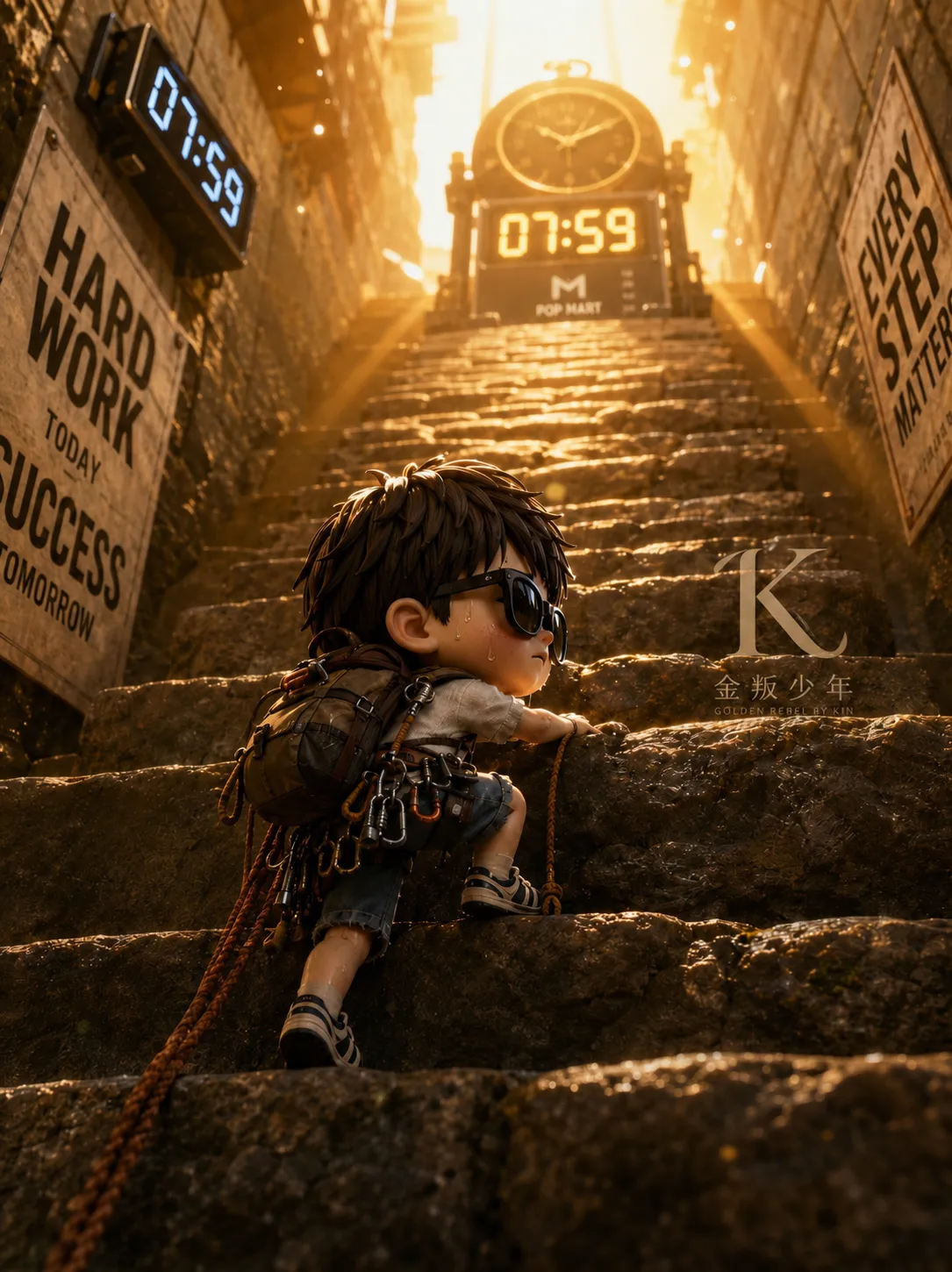
Create a cinematic 9:16 image of the uploaded character climbing a vast, ancient stone staircase toward a glowing clock displaying 07:59. Preserve the character’s appearance and use dramatic golden backlighting, monumental perspective, and the specified motivational signs.
By Threads — Published on — Modified on
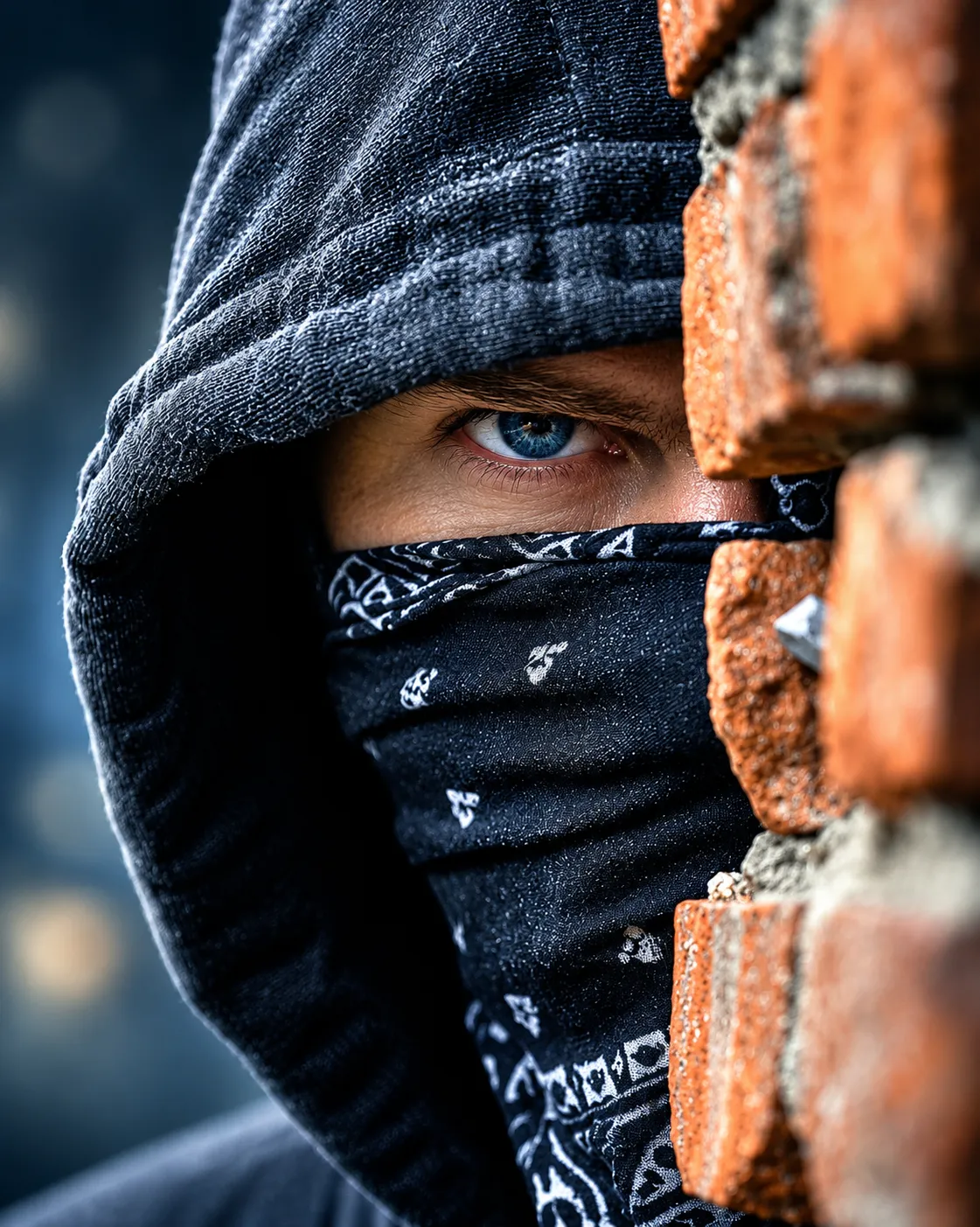
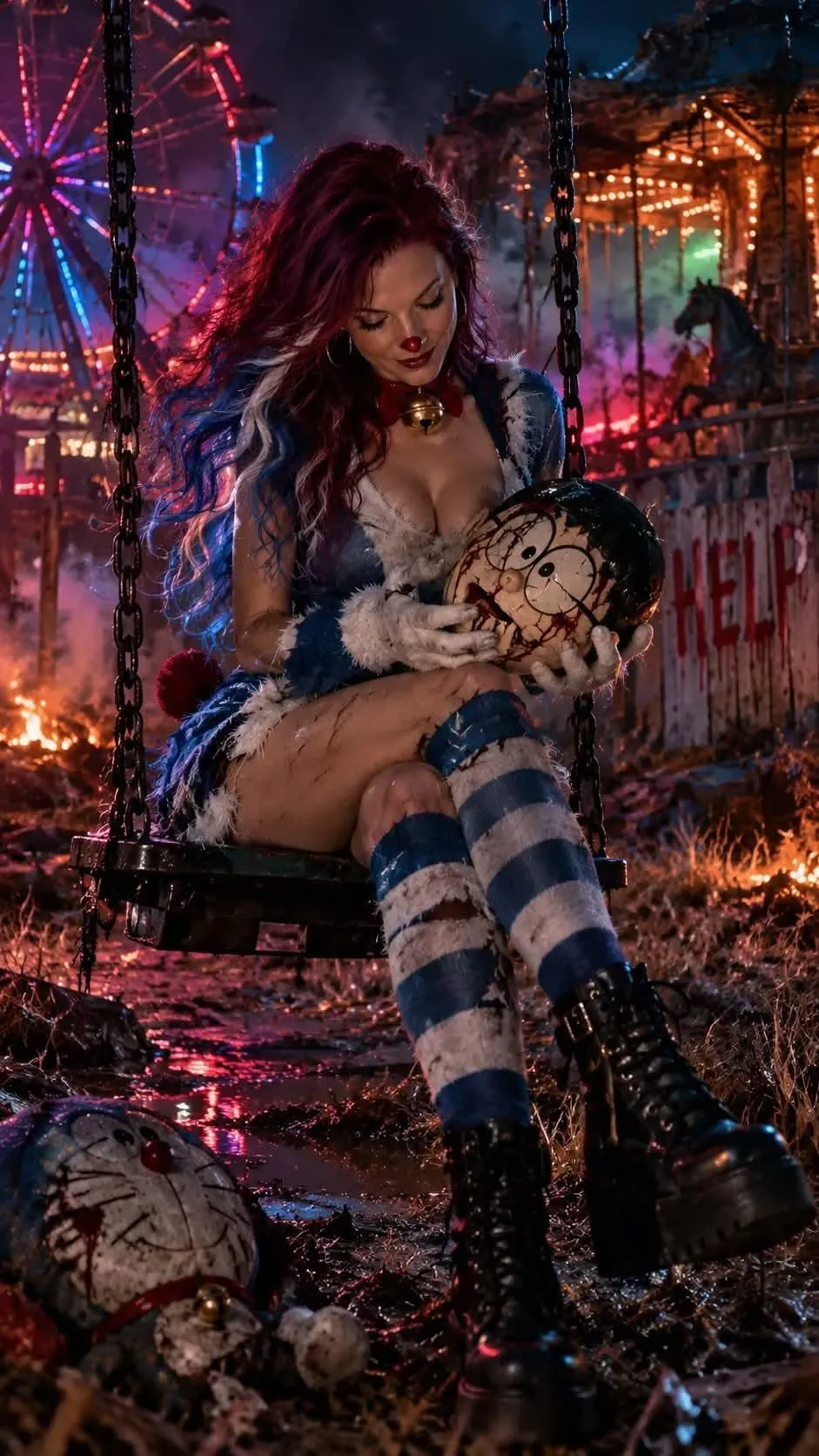
Example results
Example images
Prompt template
0 copies
- Format
- Markdown
- Inputs
- Character_reference_image (image) · Required
- Outputs
- Cinematic_staircase_image (image)
Create a cinematic, epic image of the character in the supplied reference image climbing a vast, steep staircase of ancient stone toward a glowing clock displaying 07:59. The scene symbolizes persistence, discipline, effort, and the pursuit of success. Follow all specifications below.

## Character reference and identity lock
Use the user’s most recently uploaded character image as the sole reference for the character’s appearance. Preserve the character’s face, facial features, eyes, nose, mouth, skin tone, distinctive identifying traits, hairstyle, hair color, bangs, hair accessories, clothing, clothing colors, materials, patterns, cut, accessories, body and head proportions, and original art style. Do not redesign the character or add accessories or equipment that are not in the reference. In particular, do not add a hat, glasses, backpack, weapon, climbing pack, safety rope, or other gear absent from the reference.

Change only the character’s pose and position in the scene, preserving the original appearance and clothing as closely as possible. If the reference depicts a chibi figure, retain its original chibi proportions and finely detailed 3D-figurine finish; do not stretch its limbs or alter its head-to-body ratio. If it depicts a real person, retain realistic human proportions and photographic realism. If it depicts an anime or fantasy character, retain that character’s original style rather than converting it to another type. Clothing may develop natural folds from the movement, but its design must not change.

## Setting: monumental stone stairs
The scene is a gigantic staircase of rough, heavy, dark-brown natural stone that climbs along an ancient rock wall toward a distant height. Give every step irregular stone contours, cracks, uneven surfaces, and finely detailed rock texture. The staircase begins at the bottom of the image and continues far upward. Make it very steep, with a clear difference in elevation and strong perspective. Tall, dark, weathered rock walls rise on both sides.

Some areas of the steps are slightly wet and reflect scattered golden highlights. The higher the staircase goes, the brighter the surroundings become, suggesting a hopeful, successful, unknown world beyond. Establish a monumental sense of scale: the character should appear small in comparison, emphasizing the arduous climb and distant goal.

## Character action and expression
Place the character near the lower center of the image, struggling to climb the steep stairs. Lean the body naturally forward. Put the feet on steps at different heights: one foot firmly on a lower step and the other reaching up to a higher one. Let both hands naturally brace against the rock ahead to help the character climb. Hands, fingers, knees, and shoes must make believable contact with the stone; no body parts may float or pass through the steps. The character must not be standing at the top.

Raise the character’s head slightly and direct the gaze toward the higher steps and light source. Show natural, visible tension and determination: slightly furrowed brows, focused eyes looking upward, eyes naturally open rather than exaggeratedly wide, and a slightly open mouth as if breathing hard. The facial muscles should appear somewhat strained, conveying fatigue and persistence. Keep the expression natural and restrained—not cheerful, relaxed, or exaggeratedly theatrical. Adjusting the emotion must not change the reference character’s face shape, facial proportions, or identity.

For a chibi character, keep the climbing pose consistent with its original cute proportions. Add subtle, clearly visible perspiration from the climb: approximately 2–4 small, transparent beads of sweat on the forehead, a few tiny beads near the temples, and optionally 1–2 very faint, natural trails on the cheeks. Vary the bead sizes and let the golden backlight create small, glossy reflections on some of them. Blend the sweat naturally into the skin; it must not look like decoration or make the skin appear plastic. Preserve realistic skin texture. Show light sweating, not a drenched face, and do not omit the sweat. Preserve the character and clothing from the latest reference image despite the change of scene.

## Large retro digital clock
At the center of the top of the staircase, place a large retro-industrial digital clock with a heavy dark-brown and black metal casing. Combine a large circular analog-style dial with a digital display beneath it, blending antique machinery with futuristic technology. The display must glow warm yellow and clearly show exactly:

07:59

Make every digit clear, complete, and correctly arranged. Place the clock at the far end of the staircase as the main focal point in the distance, with a strong golden glow spreading from behind it. Keep a distinct distance between the clock and the character: the goal should feel close enough to see but still require effort to reach. Do not let the clock obscure the character, and do not place it beside the character or at the bottom of the stairs.

## Motivational signs on the rock walls
Place a large, retro motivational sign on the left wall. Use orderly, bold black English lettering in a retro-industrial style. The text must read exactly:

HARD
WORK
TODAY
SUCCESS
TOMORROW

Place another large retro sign on the right wall. Use bold, dark lettering against the warm, golden-toned rock. The text must read exactly:

NEVER
GIVE UP
MATTER

Angle both signs naturally along the rock walls to match the staircase’s perspective. Keep them integrated into the setting and secondary to the character and clock. If the generation tool cannot render the English text reliably, prioritize the signs’ appearance, placement, and composition rather than producing large amounts of garbled text.

## Composition and camera
Use a vertical 9:16 composition and a low-angle, upward-looking view from near the steps, with the camera behind and below the character, aimed toward the top of the staircase. Show the character from a three-quarter rear-side angle, including the head, body, climbing action, and part of the face. Keep the character near the lower center and show the complete climbing pose.

Extend the staircase from the foreground into the distance as a strong leading line. Make the foreground steps large and sharply detailed, with steps progressively smaller in the distance to create pronounced depth. Place the clock at the upper center of the image. Let the rock walls on both sides converge toward the center, emphasizing the stairs’ steepness and height. At a glance, the composition must show the character struggling upward from darkness toward golden light. Do not use an eye-level view, depict the staircase as a flat road, or place the character at the top.

## Lighting and color
Make the main light source the top of the staircase. Bright golden-yellow sunlight should stream from behind the clock and from the summit, creating strong backlighting. Send golden volumetric rays down through fine airborne dust to the middle of the staircase. Edge the character’s hair, shoulders, arms, and clothing with golden light. Keep the character’s front in deeper shadow while preserving clear visibility of the original face, clothing, and identifying features.

Show alternating golden highlights and deep-brown shadows across the stone steps. Keep the rock walls dark and weighty to contrast with the brilliant light above. Add a small amount of fine dust and golden particles in the air for a cinematic effect. Use a palette dominated by dark brown, bronze, warm gold, and black. Avoid overexposure, completely blown-out white light, disappearing character contours, and golden light that obscures scene details.

## Visual finish
Create a high-quality fusion of a 3D character and a realistic environment, with 8K resolution, cinematic HDR, realistic stone and metal materials, finely detailed cracks in the steps, natural ambient occlusion, global illumination, ray tracing, volumetric light, realistic metal reflections, natural depth of field, finely rendered character contours, high dynamic range, and epic cinematic cinematography. If the reference character is a chibi figure, preserve its finely detailed figurine finish while rendering the rocks, lighting, and environment with highly realistic cinematic detail.

## Avoid
Changed character identity, facial features, hairstyle, hair color, clothing, or clothing colors; missing reference accessories; invented equipment; altered head-to-body proportions; converting a chibi character into a real person or a real person into a cartoon; floating or intersecting with the stairs; malformed hands or feet; extra fingers or limbs; unnatural climbing poses; the character standing at the summit; flat ground or incorrect staircase perspective; steps without clear elevation; missing rock walls; a misplaced clock; incorrect or blurry clock digits; garbled sign text; overexposure; overpowering golden light; the character lost entirely in darkness; blurred background details; low resolution; watermarks; logos; or additional people.

## Series consistency
For each generation, change only the character’s appearance, clothing, and accessories according to the latest uploaded character reference. Keep the following fixed: the steep monumental stone staircase; ancient rock walls on both sides; the retro digital clock at the summit displaying 07:59; motivational signs on the left and right walls; the low-angle upward-looking composition; golden backlighting and volumetric rays; the dark-brown and warm-gold cinematic palette; the character’s strenuous climbing action; and the vertical 9:16 aspect ratio. Keep the scene structure, camera angle, lighting direction, and visual style consistent across images in the “Golden Stairway: Climbing Against Time” series.




Comments — 0
Tried this prompt? Share what you made, compare results, or ask a question.