- Category
- Art & Illustration
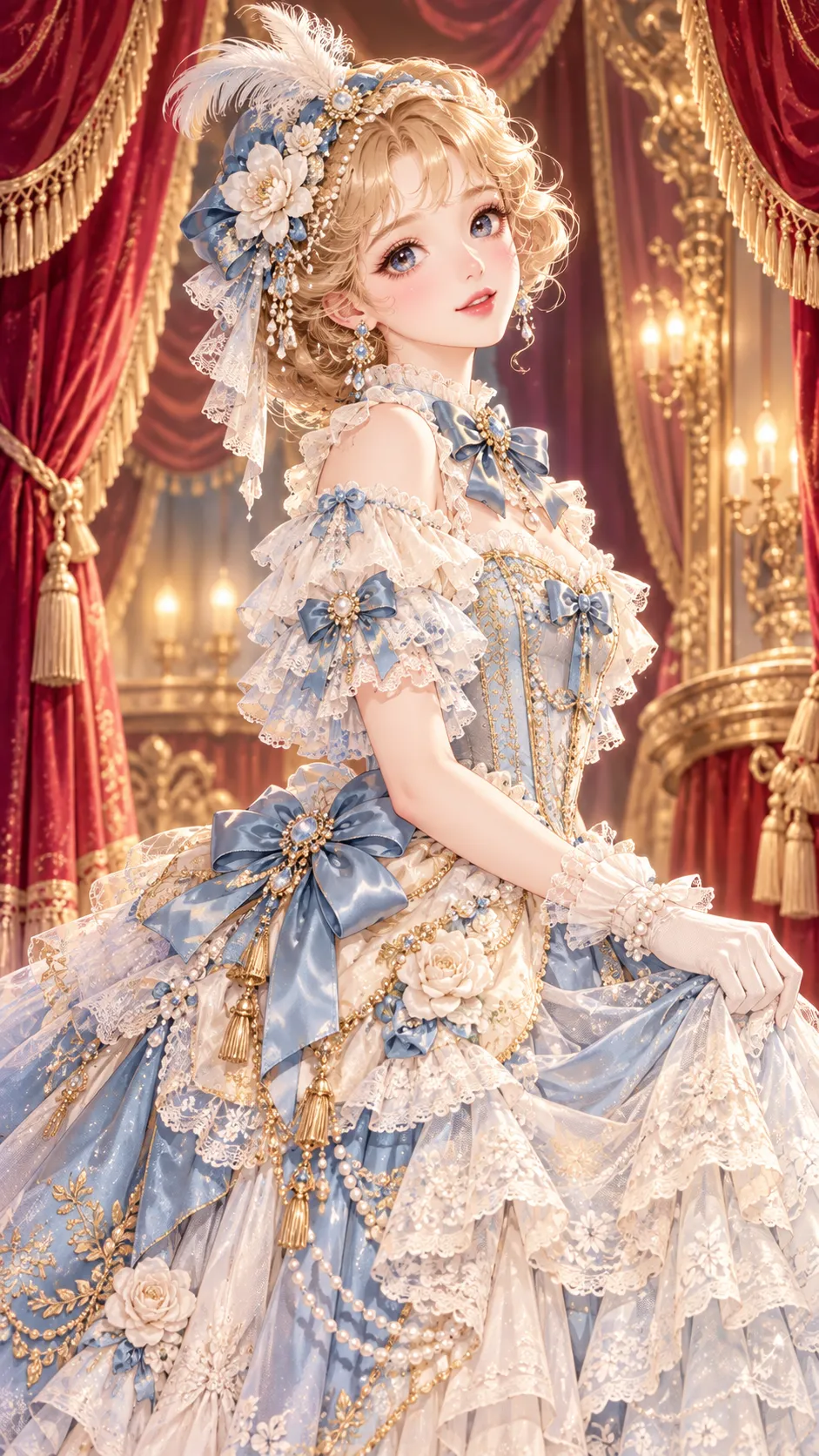
The Sweet Theatrical Doll
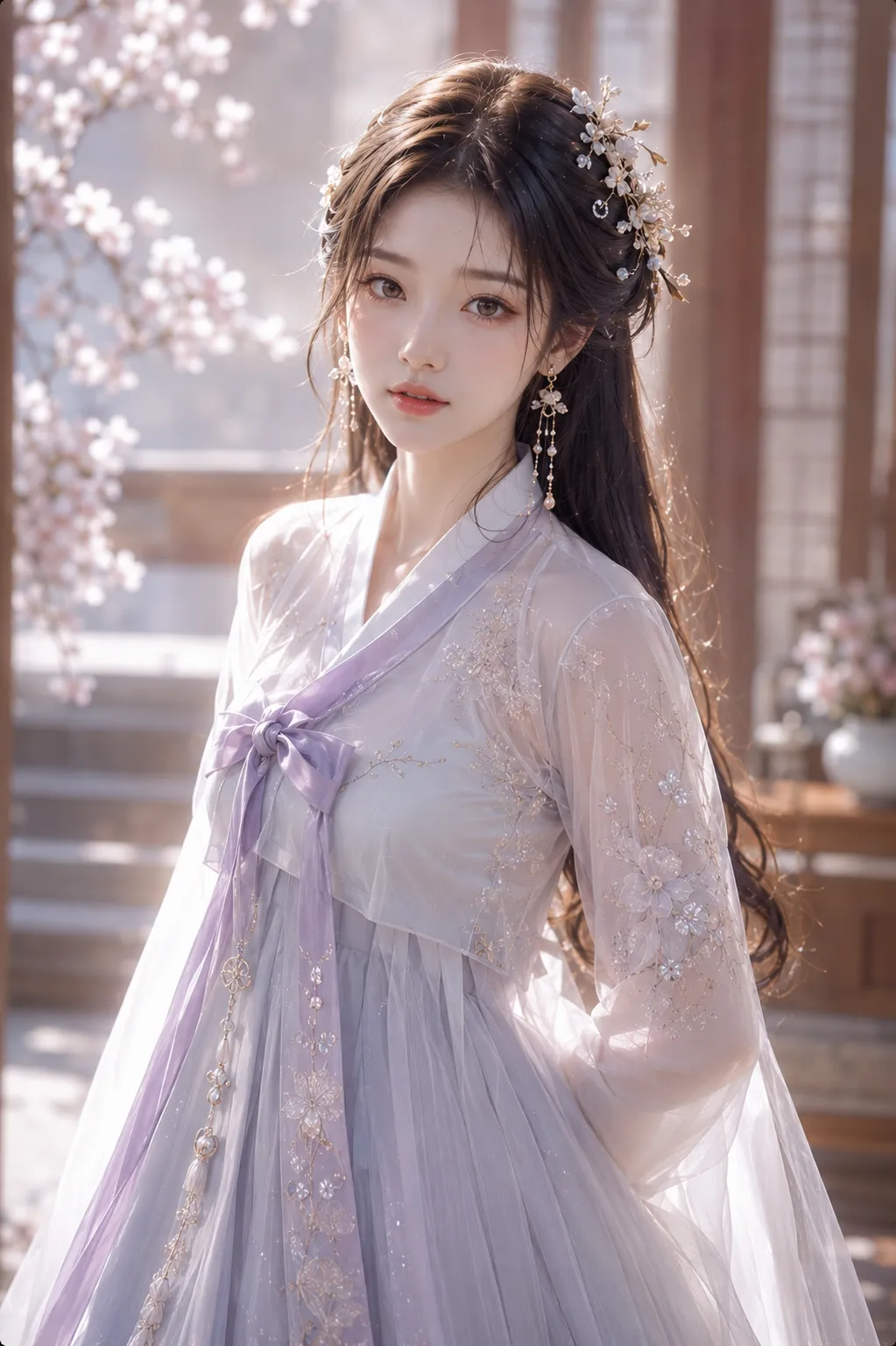
Create a one-of-a-kind, romantic 2D illustration of an adult theatrical heroine in a lavish 1920s-inspired theater. Emphasize her charming doll-like face, original stage costume, and elegant theater interior.
By Threads — Published on — Modified on
Example images
Prompt template
0 copies
- Format
- Markdown
- Outputs
- Theatrical_heroine_illustration (image)
Create a one-of-a-kind, exceptionally charming classical theater heroine inspired by 1920s stage arts, vintage theaters, romantic stage costumes, Art Deco, Belle Époque ornament, classical doll fashion, sweet femininity, pearls and ribbons, and the exquisite color illustrations of modern shōjo manga.

The result must be a fully 2D illustration in a vertical 9:16 composition, with no text. Draw an original adult female heroine; do not recreate a real actress or an existing stage production. The scene takes place inside a glamorous 1920s theater, with velvet curtains, elegant gold ornament, and soft stage lighting. Blend the refined atmosphere of a classical theater with the romantic beauty of modern shōjo manga.

## Create a unique heroine each time
Invent a different heroine for every generation. Vary her costume shape, silhouette, decoration, colors, hairstyle, hair ornaments, expression, and pose. Draw inspiration from a wide range of 1920s stage imagery, such as a romantic stage princess, a delicate operetta heroine, a dazzling revue star, or a dreamlike ballet performer. Each image must show exactly one heroine in one unified costume design. Balance the splendor of stagewear with graceful charm.

## Face and expression
Her face is the most important feature: make her exceptionally lovely, with a charming doll-like appearance and the refined beauty of an adult woman. Give her large, rounded, jewel-like eyes with delicate, beautiful reflections; long, elegant curled eyelashes; soft, full cheeks; a small, neat nose; a small rounded chin; delicate rose-colored lips; and a soft face shape with an endearing expression. Preserve her adult appearance and do not make her look like a child. Even in a pulled-back composition, make the sparkle in her eyes, softness of her cheeks, and charm of her expression clearly visible. Evoke the dreamlike heroine of an exquisitely rendered modern shōjo manga color illustration.

## Original 1920s-inspired stage costume
Design one exceptionally charming and ornate original costume inspired by 1920s stagewear. Freely combine delicate lace, soft tulle, dimensional frills, satin ribbons, small pearls, petal-like fabric details, scalloped lace, elegant puff sleeves, classical necklines, and beaded embroidery. Choose a silhouette suited to the selected stage inspiration: for example, a romantic dress, classical stage dress, glamorous revue costume, or ballet-inspired gown.

Make the costume read as one coherent design. Show a natural visual connection from the neckline through the waist to the upper skirt. Give the waist seam, ribbons, draping, and skirt volume considered design details rather than concentrating all ornament on the bodice. Keep the fabric construction legible; select and arrange the main decorative elements instead of layering lace, ribbons, and pearls without limit. Keep the neckline elegantly covered and avoid excessive exposure.

## Hair, headpiece, and jewelry
Give her glamorous, charming hair inspired by a 1920s stage actress. Possible styles include soft finger waves, a fluffy curled bob, a classical updo, a romantic half-up style, medium-length hair with beautifully curled ends, or delicate braids. Vary the hairstyle, hair color, and hair ornaments from one generation to the next; do not lock them to one look. Give the hair soft sheen and clearly organized strands.

Invent a special headpiece suited to the costume, such as a pearl headband, satin ribbon, small tiara, delicate lace headpiece, floral ornament, Art Deco-inspired jeweled hair accessory, or restrained feather detail. Coordinate it with the costume and keep it elegant. Do not overload the head with decorations; the heroine’s face and hairstyle take priority. Add accessories only when they suit the costume.

## Color palette
Choose a fresh costume palette for each generation. Possible colors include rose pink, lavender, sapphire blue, mint green, butter yellow, ruby red, ivory, aqua blue, amethyst, emerald green, and champagne gold. Favor bright, festive colors while allowing jewel-like depth. Do not default to an all-pink palette; vary the color combinations each time. Coordinate the costume, hair ornaments, accessories, and background. Use a pleasing contrast between the background and costume so the heroine’s silhouette remains distinct. Colors should be vivid, beautiful, and translucent in quality.

## Pose
Give the heroine a graceful, charming pose appropriate to a stage principal. She might gently touch a ribbon at her neckline, adjust a dress ornament, rest a hand on the stage curtain, naturally hold a small bouquet, place one hand at her chest while smiling toward the audience, stand elegantly with both arms relaxed, lightly lift the edge of her skirt, or pose naturally without holding anything so the costume remains the focus. These are suggestions, not limits: invent a gesture suited to the costume and theater atmosphere.

Do not rely on poses that place a hand near the face. Do not make a hand-on-cheek or hand-under-chin pose the default. Keep the shoulders, arms, and wrists natural, and avoid obscuring the costume silhouette.

## Theater interior background only
The background must be limited to the interior stage decoration of a glamorous 1920s theater. Build the romantic atmosphere from theater decor itself; do not show outdoor scenery or distant architecture. Select only the elements appropriate to the stage concept from options such as:
- Beautifully draped velvet theater curtains.
- Delicate gold cords edging the curtains.
- Elegant Art Deco geometric patterns.
- A classical decorative frame surrounding the stage.
- Subtle antique-style stage lights.
- Refined gold ornament on theater walls.
- Small tassels or fringe on the curtains.

It is not necessary to include every element. Compose a simple yet sumptuous theater interior centered on curtains and decorative framing. Place calm areas of color and soft stage lighting behind the heroine. If the scene has depth, keep it shallow and confined to theater curtains and wall ornament. Leave ample space around her face and hair, and do not let background ornament overlap her silhouette. Curtains on both sides should make it clear that she stands at center stage. Keep the theater bright, glamorous, and romantic, not dark.

Never depict outdoor scenery, a streetscape, a castle, an exterior palace, distant buildings, a view through a window, mountains, sea, sky, garden, outdoor flower field, or a street receding into the distance. Do not make the theater’s depths appear to open into another world. Do not show landscape scenery as painted stage flats. Do not place buildings or scenery inside windows or arches. The background must not resemble a landscape painting; all background elements must belong to the theater interior, such as curtains, walls, stage ornament, and lighting.

Keep background ornament less detailed than the heroine. The visual priority is her charming face first, the beautiful costume silhouette second, and classical theater decoration third. Do not scatter unlimited gold ornament, glowing particles, petals, or pearl-like decorations. Balance grandeur with open space using large curtain drapes and orderly decorative frames. Treat the background like an elegant frame around the heroine.

## Composition and camera distance
Use a vertical 9:16 composition and a fashion-portrait view from slightly farther away, leaning toward a medium-long shot. Place the heroine in the center. Show her from the top of her headpiece to about the middle of her skirt. Do not make this a face-dominant image: balance her head, shoulders, both arms, waist, and the spread of the skirt. Leave moderate space above her head and on both sides. Her face must be large enough to convey her charm without taking over the frame.

As a guide, the figure should occupy approximately 75–85% of the image height, with enough space around her to show the theater curtains and ornament. Always show the waistline and upper skirt so the overall costume design is clear. Do not use a bust-up, face close-up, shoulders-up crop, or extreme close-up in which the face fills most of the image. Do not make the full figure tiny in a distant view. Prioritize a distance that lets the viewer appreciate both her expression and costume. Compose the figure, costume, and theater background in harmony, like a lavish shōjo manga color illustration.

## Art style and rendering
Prioritize the exquisite color-illustration look of modern shōjo manga. Create a lavish, fully 2D color illustration with delicate, smooth 2D linework; large, jewel-bright eyes; translucent-looking skin; soft, beautiful hair; and finely rendered lace, ribbons, and pearls. Use vivid, luminous colors and elegant shading that does not diminish the heroine’s beauty. Let the stage lighting gently illuminate her and bring out the colors of her skin and costume. Avoid excessive backlighting and overly glowing gold effects. Render costume details delicately without making the whole image feel overcrowded. Combine the stage arts of the 1920s with the romantic beauty of modern shōjo manga.

## Anatomy and quality control
Use natural, accurate adult female anatomy. Include one arm on each side and one hand on each side, with five fingers on each hand. Make the connections from shoulders to elbows, wrists, and fingertips natural. Draw the backs and palms of the hands in coherent orientations, with correctly placed thumbs. Align sleeves naturally with the arms. If an arm is hidden behind the costume or body, keep its anatomical connection plausible. If gloves are present, depict the fingers and fabric naturally. Keep the relationships among waist, hips, and skirt accurate. Avoid extra arms, extra fingers, mirrored or malformed hands, unnatural joints, and twisted anatomy.

## Avoid
Photorealism, photography, 3D, CGI rendering, realistic stage actresses, childlike appearance, excessive skin exposure, a deeply revealing neckline, modern idol costumes, modern cosplay costumes, excessive feather decoration, overly theatrical makeup, a dark theater, muddy colors, outdoor scenery, castles, palace exteriors, streetscapes, distant buildings, views through windows, landscape-painted stage sets, overly complex backgrounds, excessive gold ornament, a figure that is too small, an extremely enlarged face, bust-up framing, close-ups, overcrowded ornament, anatomical errors, text, letters, numbers, logos, and watermarks.

## Final image
Create a dreamlike, exceptionally charming, one-of-a-kind theater heroine inspired by the glamorous stage arts of the 1920s. Give her sparkling jewel-like eyes, beautifully soft classical hair, and an ornate stage costume embellished with delicate lace, satin ribbons, and pearls. She should look so captivating that she commands the audience’s attention as the curtain rises. Pull the camera back enough to show her from head to mid-skirt. The background must consist only of a theater interior adorned with velvet curtains and elegant gold ornament; include no outdoor scenery or distant architecture. Harmonize her charming expression, the graceful silhouette of her stage costume, and classical theater decor in one image. The finished work should unite classical elegance with doll-like charm in a sweet, romantic theatrical fashion illustration.




Comments — 0
Tried this prompt? Share what you made, compare results, or ask a question.