Unimpressed Anthropomorphic Woodcut Character
Create a deadpan, world-weary character from a subject while preserving its recognizable features. Use a reference image and specify the subject to shape the final illustration
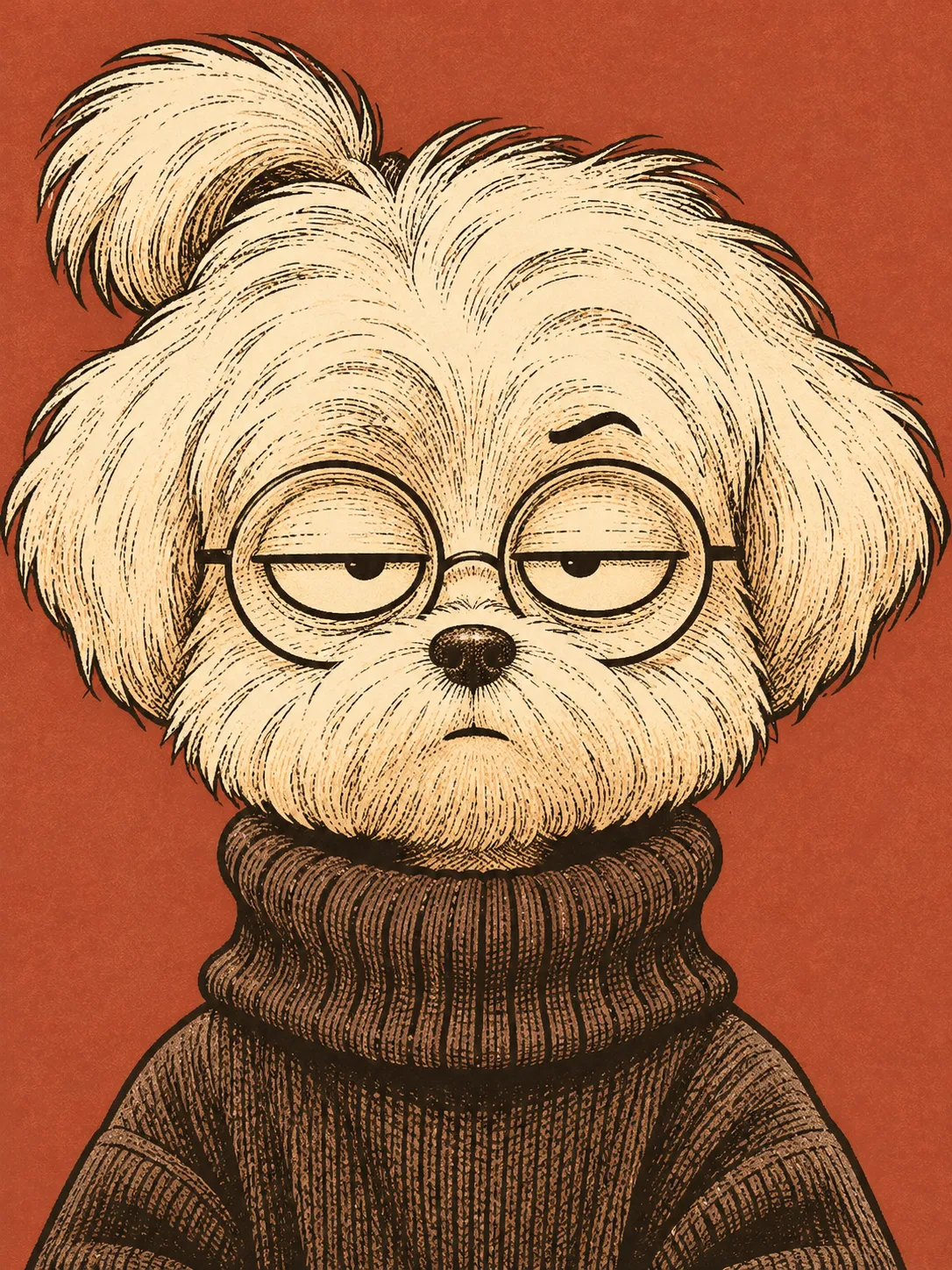
Example outputs
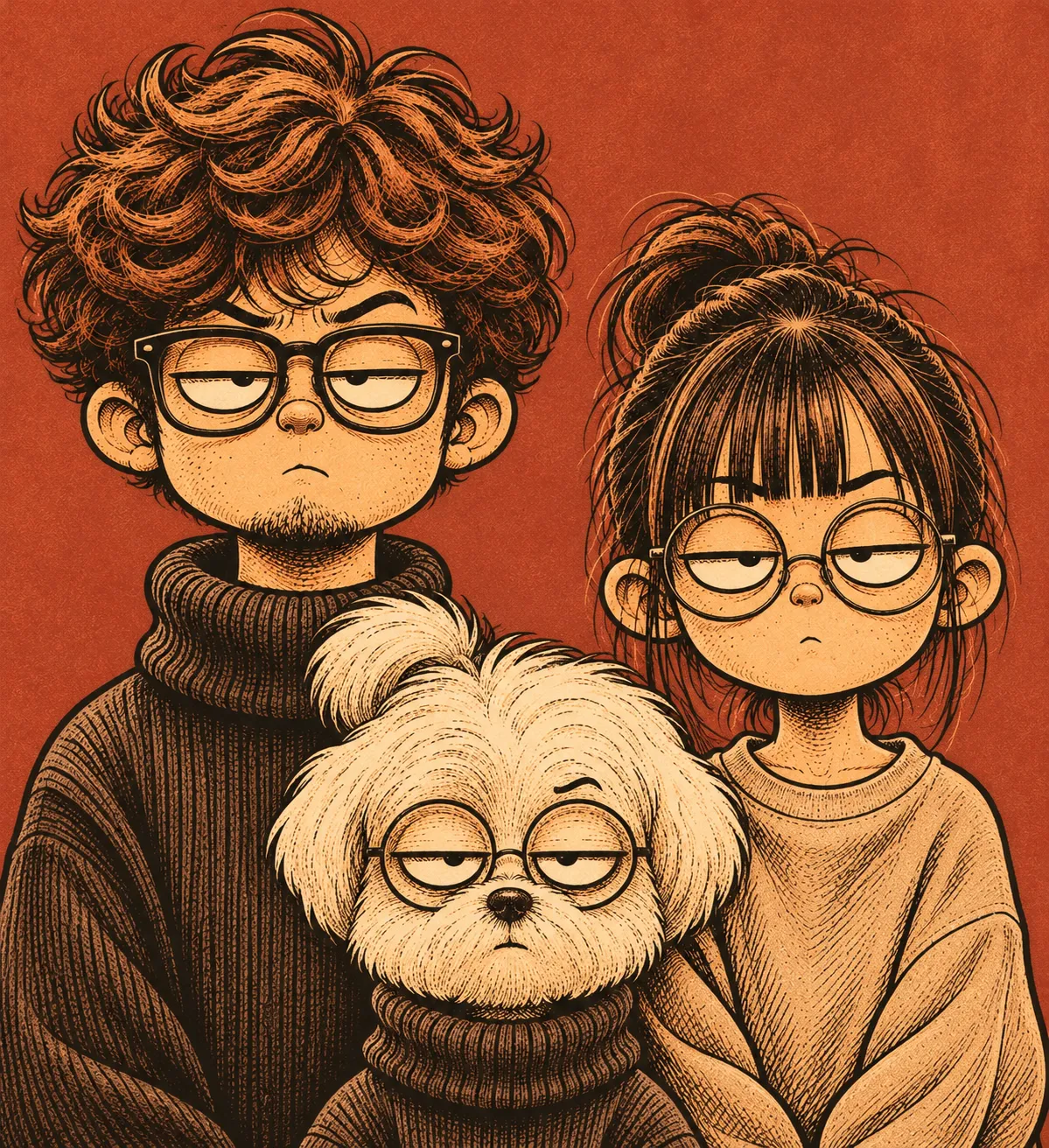
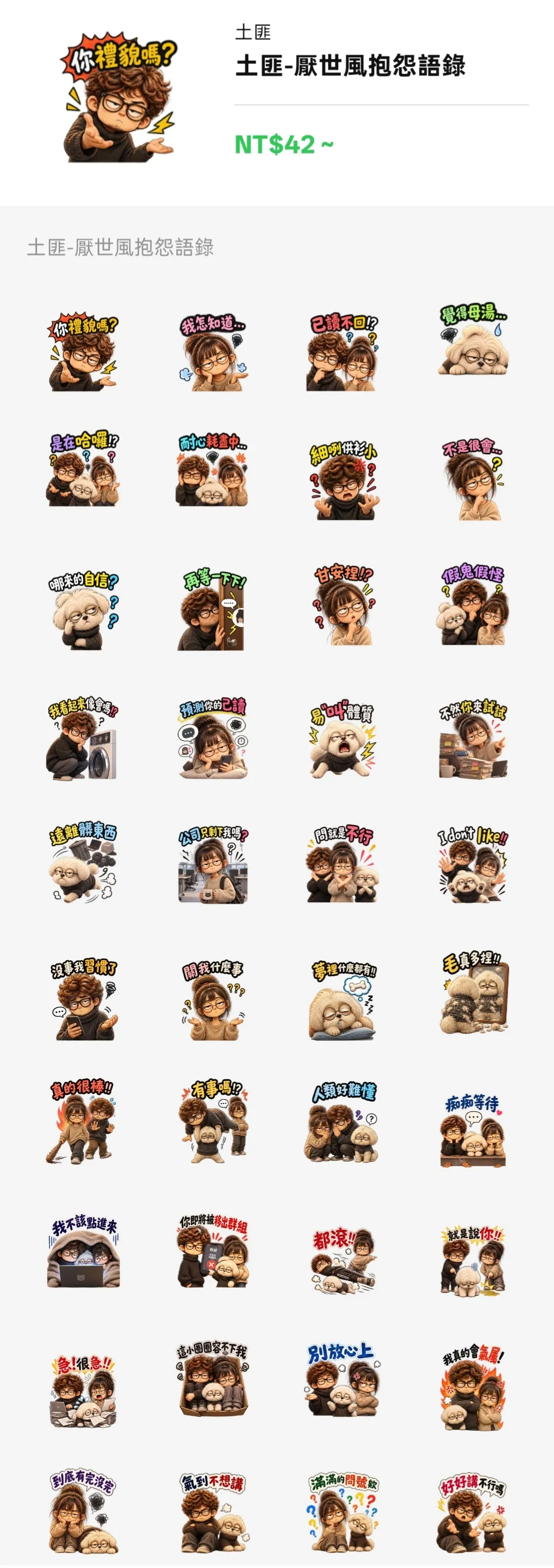
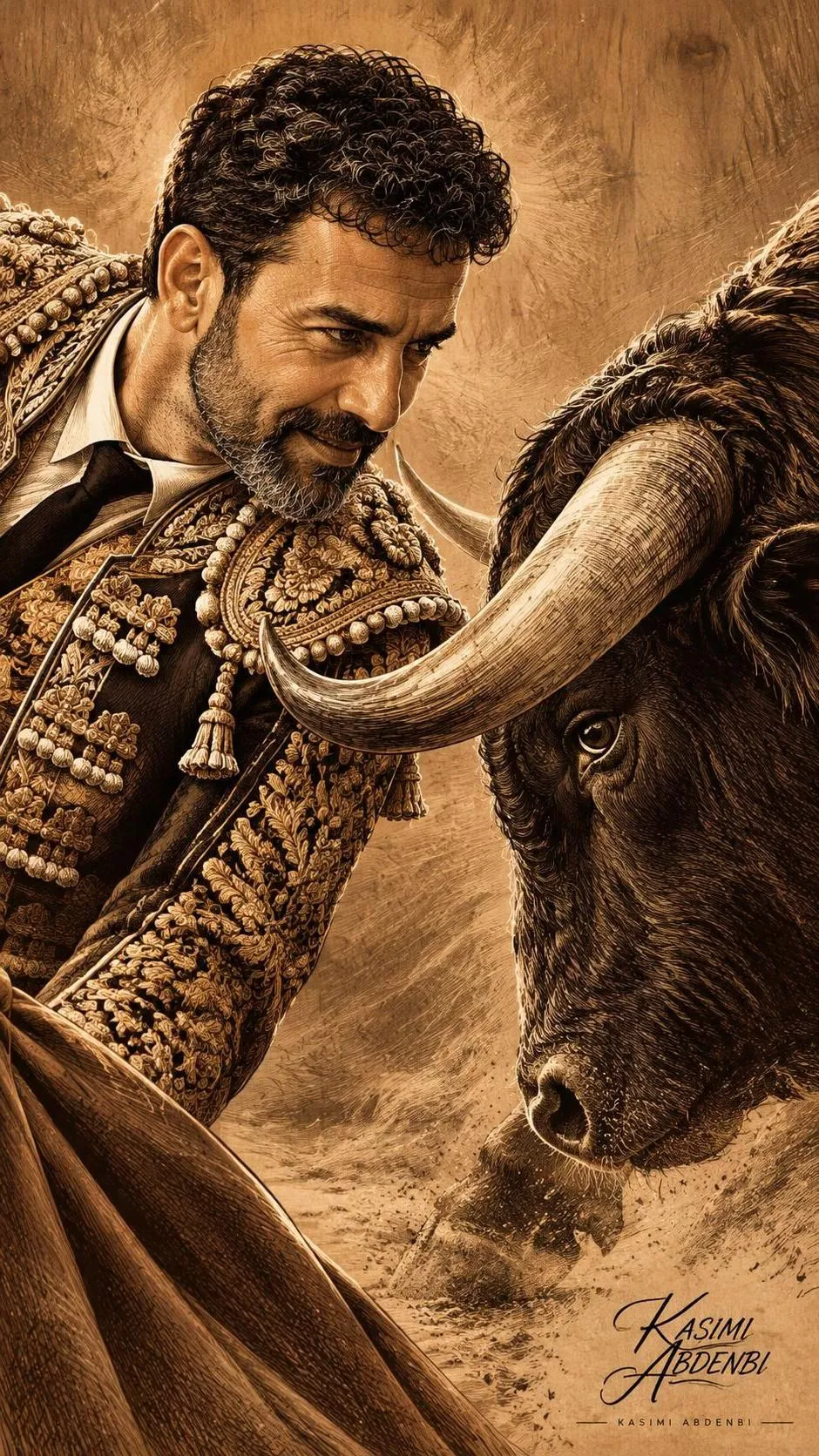
Prompt template
- Format
- Text
- Inputs
- Reference_image (image) · Required Subject (text) · Required
- Outputs
- Illustration (image)
Use the image from the first step as the reference for this generation.

Create a premium anthropomorphic vintage woodcut illustration of [SUBJECT].

CORE CONCEPT — THE UNIMPRESSED UNIVERSE

Transform the subject into a charming, deadpan, world-weary character while preserving its original recognizable identity, silhouette, materials, proportions, and distinctive features.

Every subject should look as though it has seen everything in life and is completely unimpressed.

FACIAL EXPRESSION:

- Heavy, half-lidded eyes with small pupils.
- Slightly lowered, asymmetrical eyebrows.
- A subtle, flat or downward-curving mouth.
- A calm, sarcastic, mildly annoyed expression.
- Direct, judgmental eye contact.
- Dry humor rather than exaggerated anger.
- Avoid exaggerated smiles, overly cute expressions, or aggressive emotions.

NATURAL ANTHROPOMORPHISM:

Integrate facial features organically into the subject's existing structure.

For food, fruit, plants, vehicles, household objects, and architecture, the face should appear naturally embedded in the surface.

Do not add a separate human head, human body, arms, or legs unless explicitly requested.

Preserve the object's original functional and structural characteristics.

ART STYLE:

Vintage woodcut engraving combined with mid-century editorial illustration and modern flat vector aesthetics.

Extremely detailed, fine directional hatching, dense short engraved strokes, intricate organic linework, bold black or dark brown outlines, and layered ink textures.

Use crisp flat color regions instead of smooth gradients.

COLOR PALETTE:

Use 4–6 harmonious retro colors appropriate to the subject, with rich earthy tones, warm highlights, and dark ink accents.

Randomly select one muted solid background color that complements the subject. Each generation may use a different background color.

COMPOSITION:

One single subject, centered and prominent, front-facing or three-quarter view depending on its natural form.

Strong iconic silhouette, balanced composition, approximately 80–90% canvas coverage.

STYLE CONSISTENCY:

Maintain identical engraving density, expression language, outline treatment, color philosophy, and visual personality across different subjects.

AVOID:

3D, photorealism, anime, glossy rendering, smooth gradients, childish cartoon style, exaggerated facial expressions, unnecessary human limbs, extra objects, text, logos, watermarks, borders, and complex backgrounds.

Aspect ratio: 3:4 vertical.

Deeply unimpressed, narrowed half-lidded eyes, slightly furrowed brows, flat downturned mouth, dry sarcastic attitude.
What you'll create
This prompt turns a specified subject into a charming, deeply unimpressed character while preserving its recognizable identity and structure. The result uses detailed vintage engraving, mid-century editorial illustration, and flat retro colors in a centered vertical composition
Generation settings
Aspect ratio: 3:4
Usage instructions
Provide the first-step image as a required reference and replace [SUBJECT] with the subject to depict. The reference guides the subject’s recognizable features; change [SUBJECT] to create a different character while keeping the specified woodcut style and 3:4 vertical composition
Frequently asked questions
What should the reference image establish?
Use the first-step image as the reference for the subject’s recognizable identity, silhouette, materials, proportions, and distinctive features

Comments
Tried this prompt? Share what you made, compare results, or ask a question