The Dress Before the Story
Create a fantastical couture artwork centered on an original dress that hints at an untold story. The story, symbolic design details, and setting are imagined for each creation, and an optional reference image can guide the wearer’s appearance.
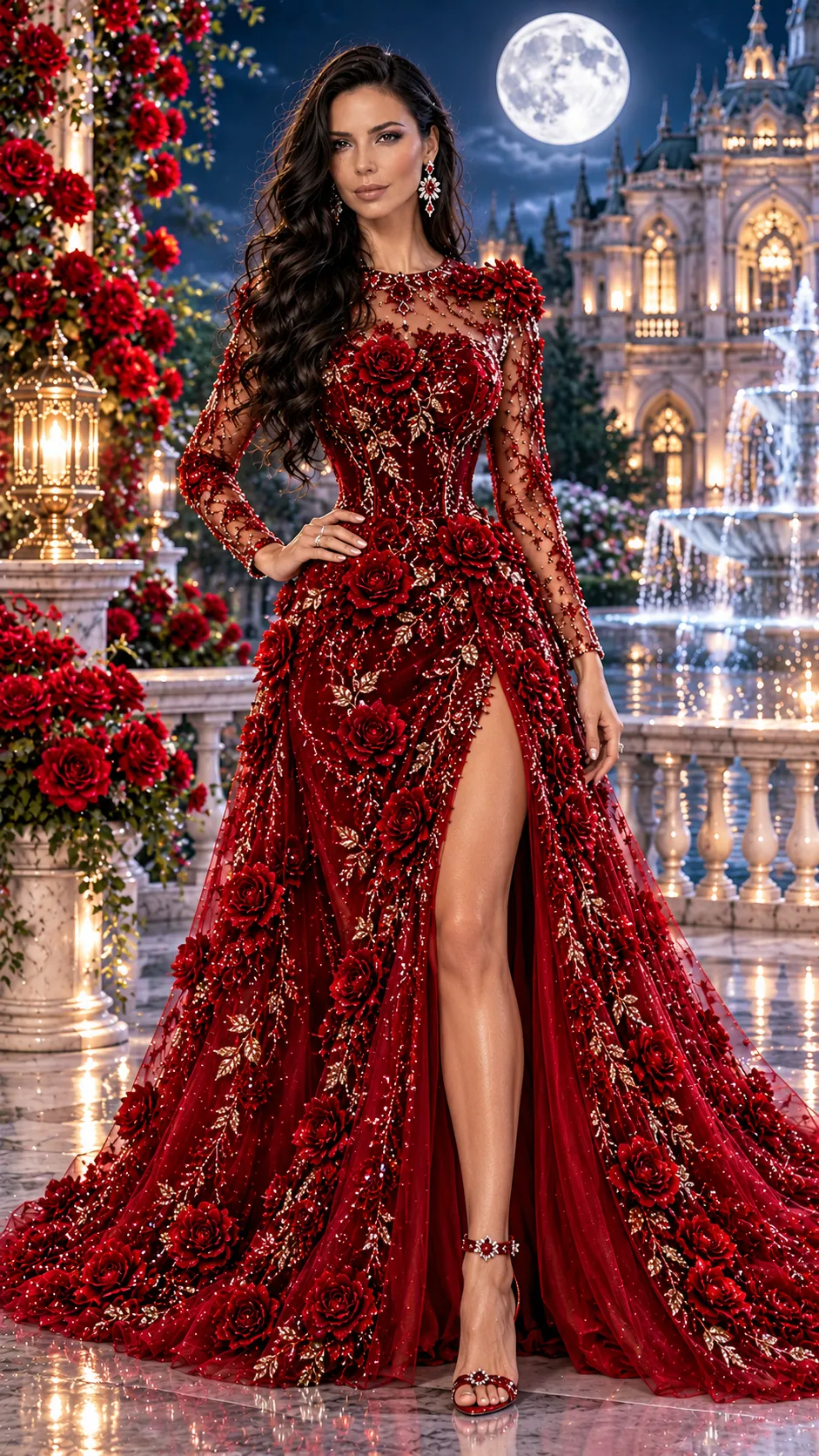
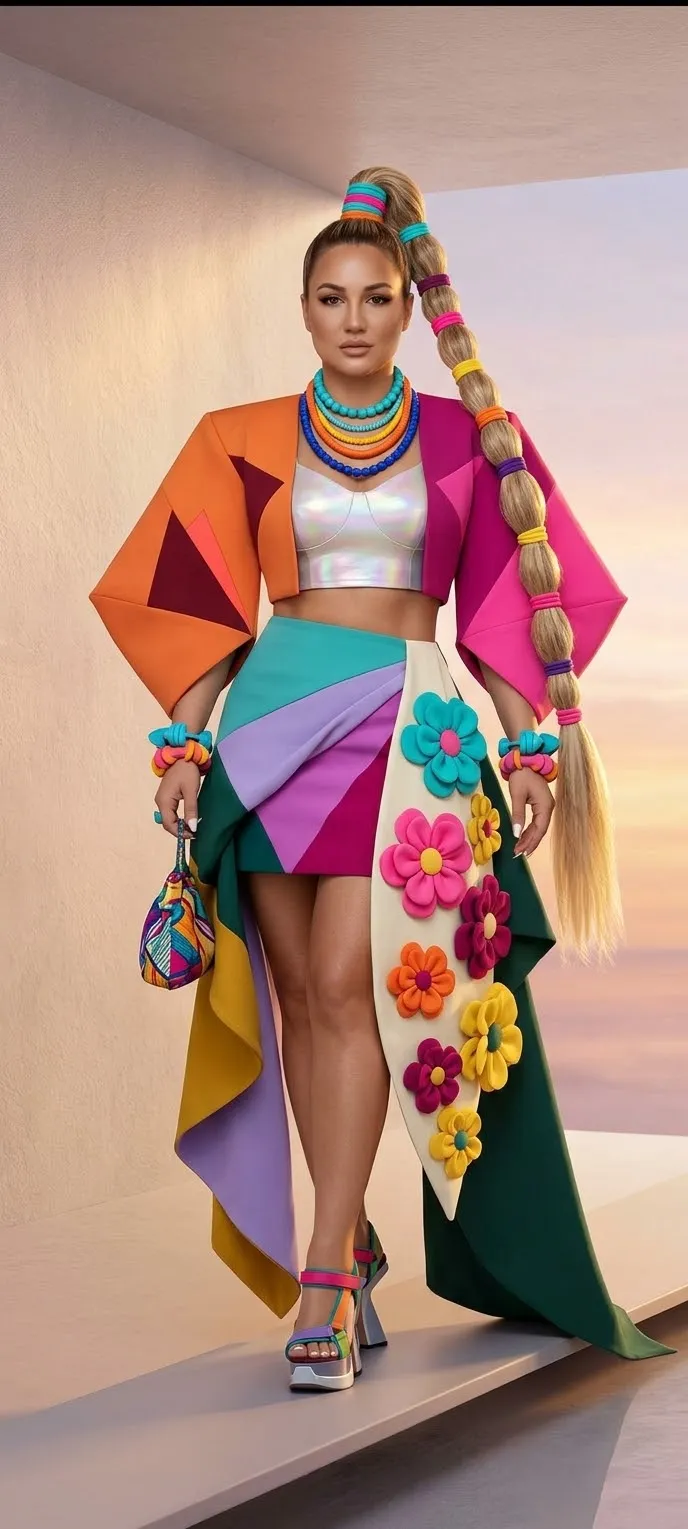
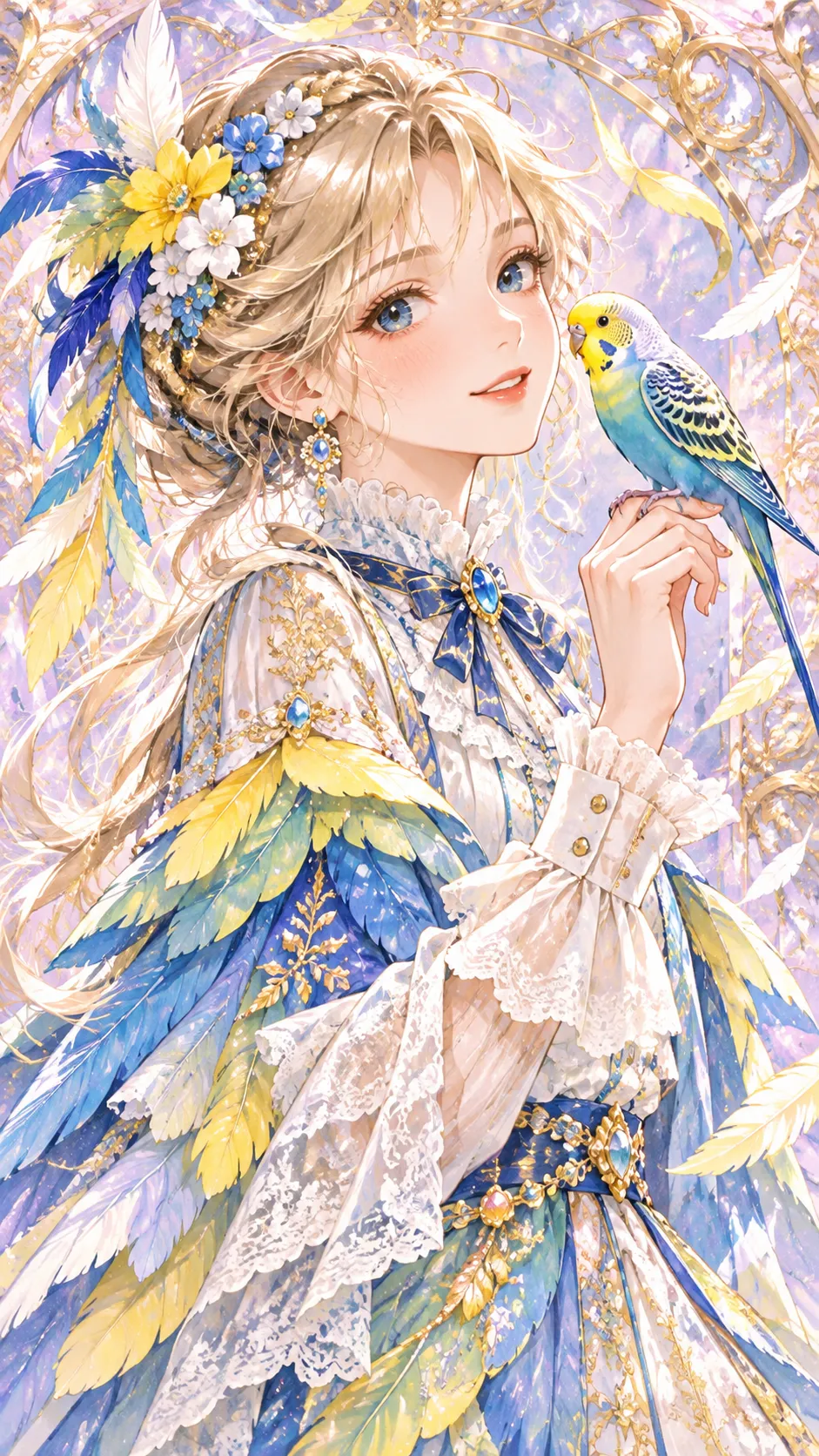
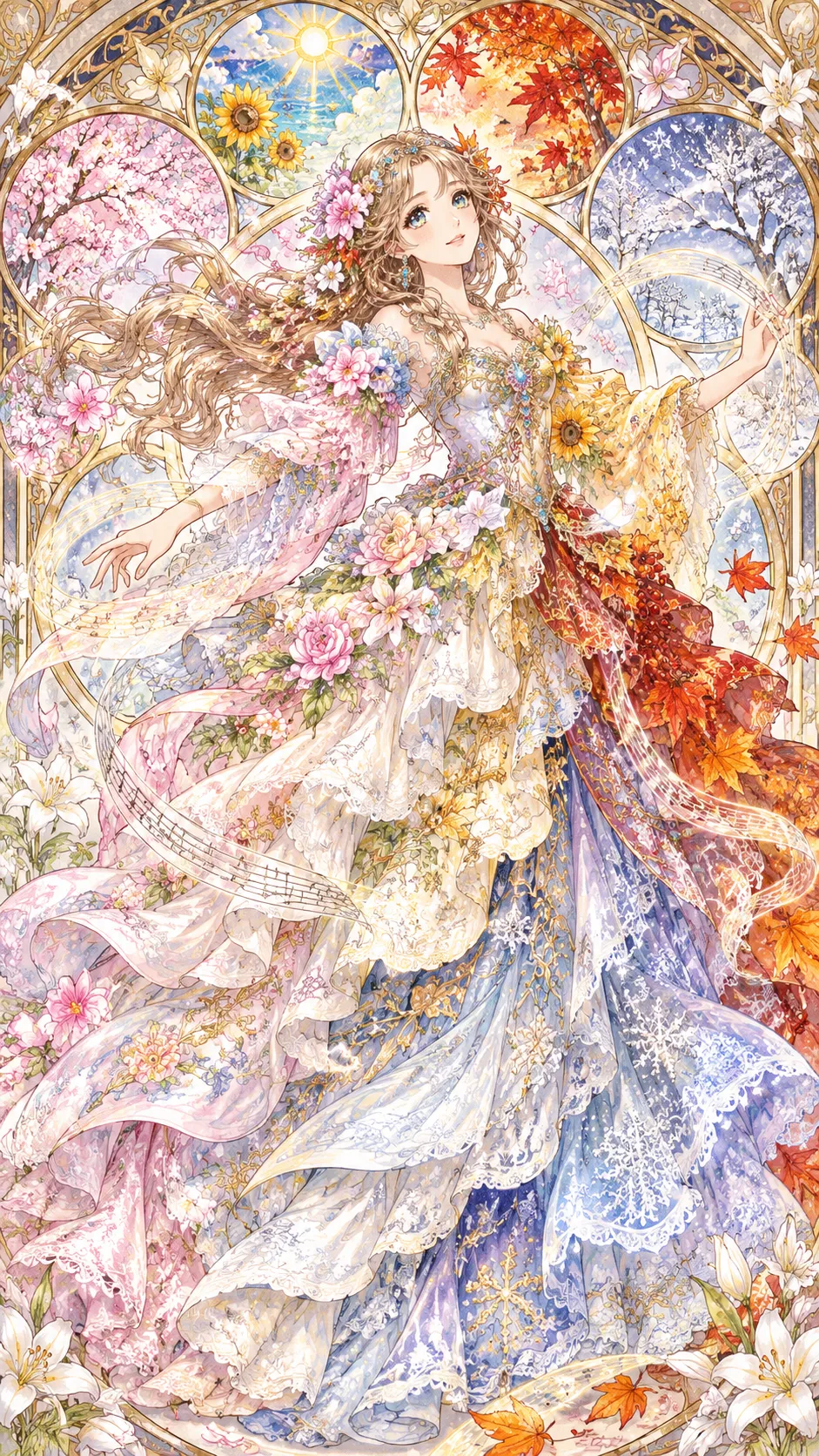
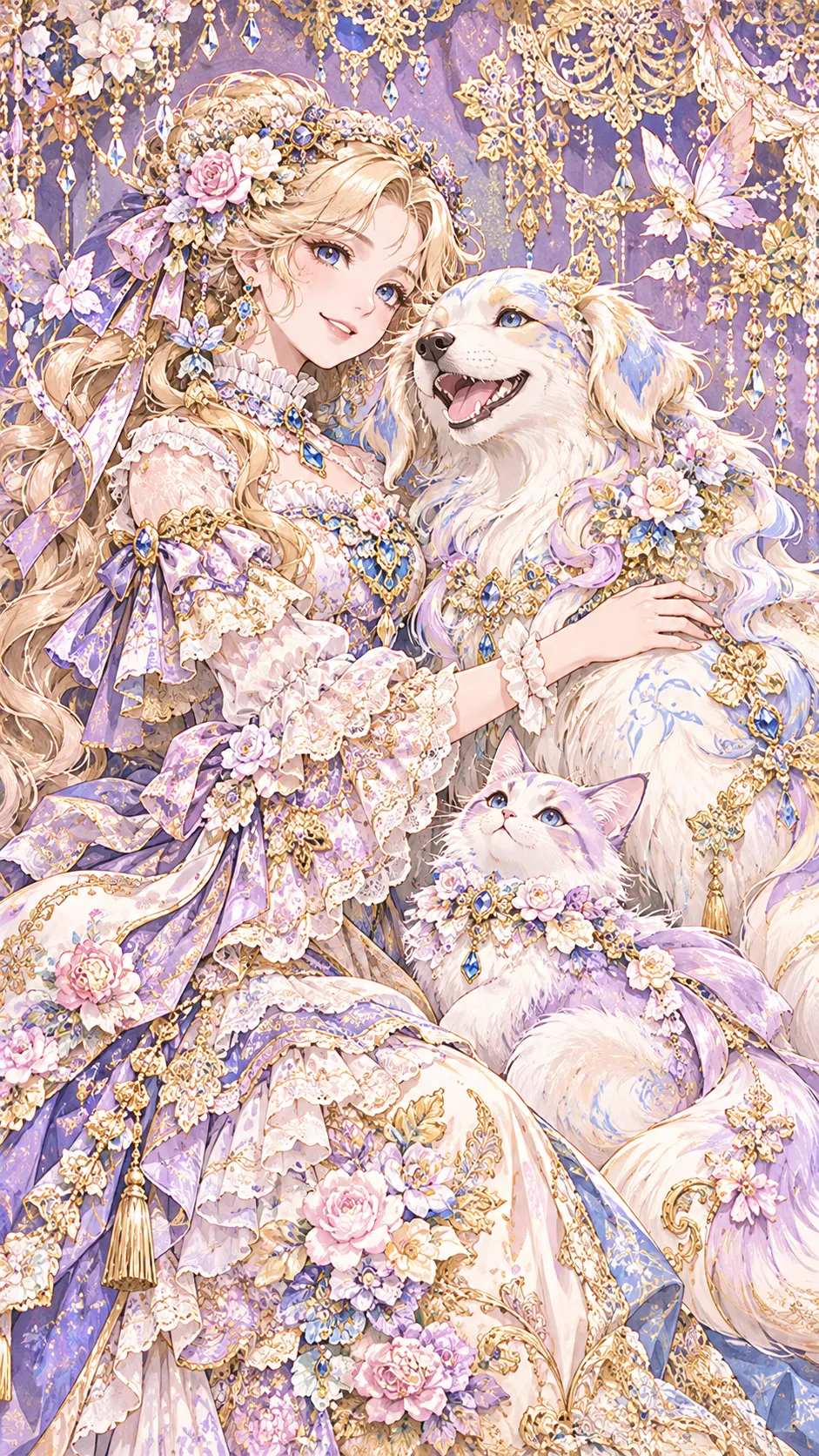
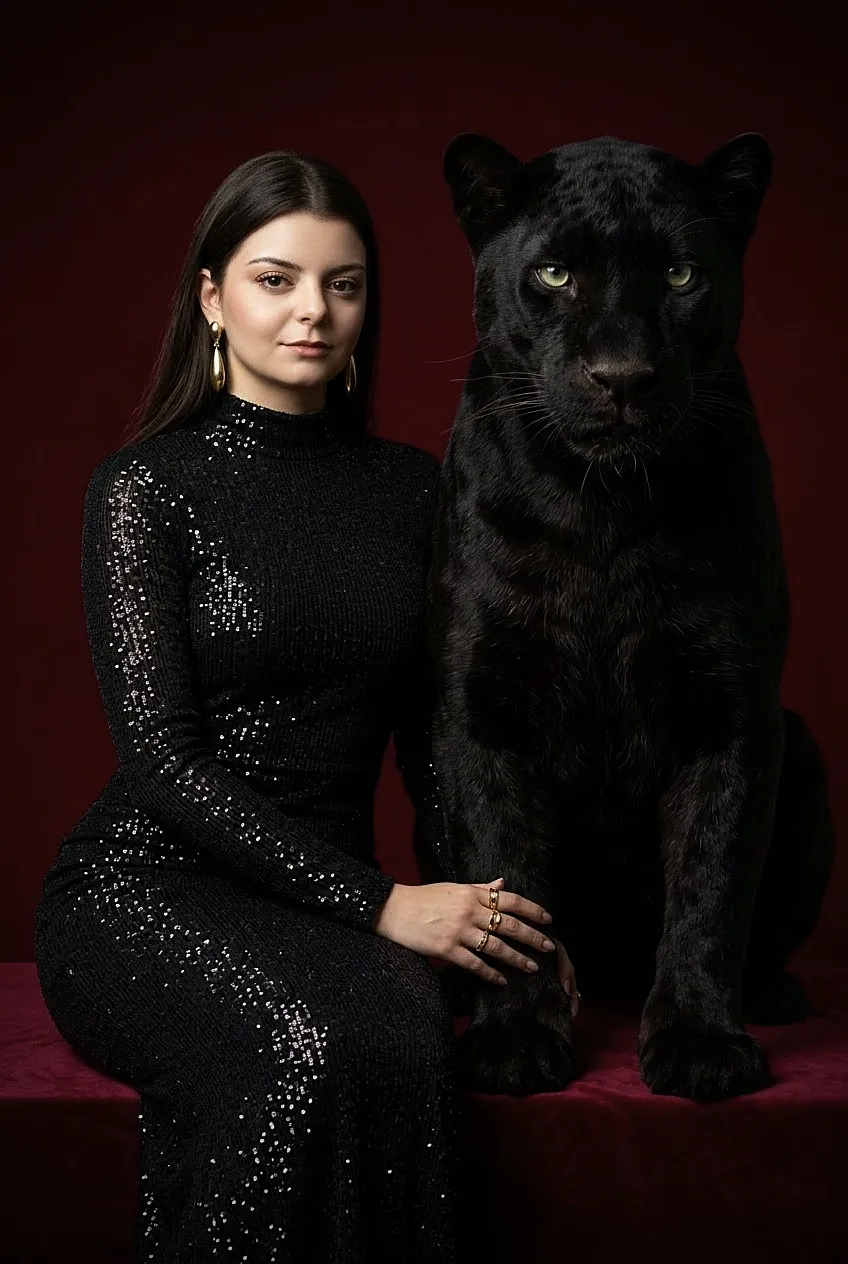
Example outputs
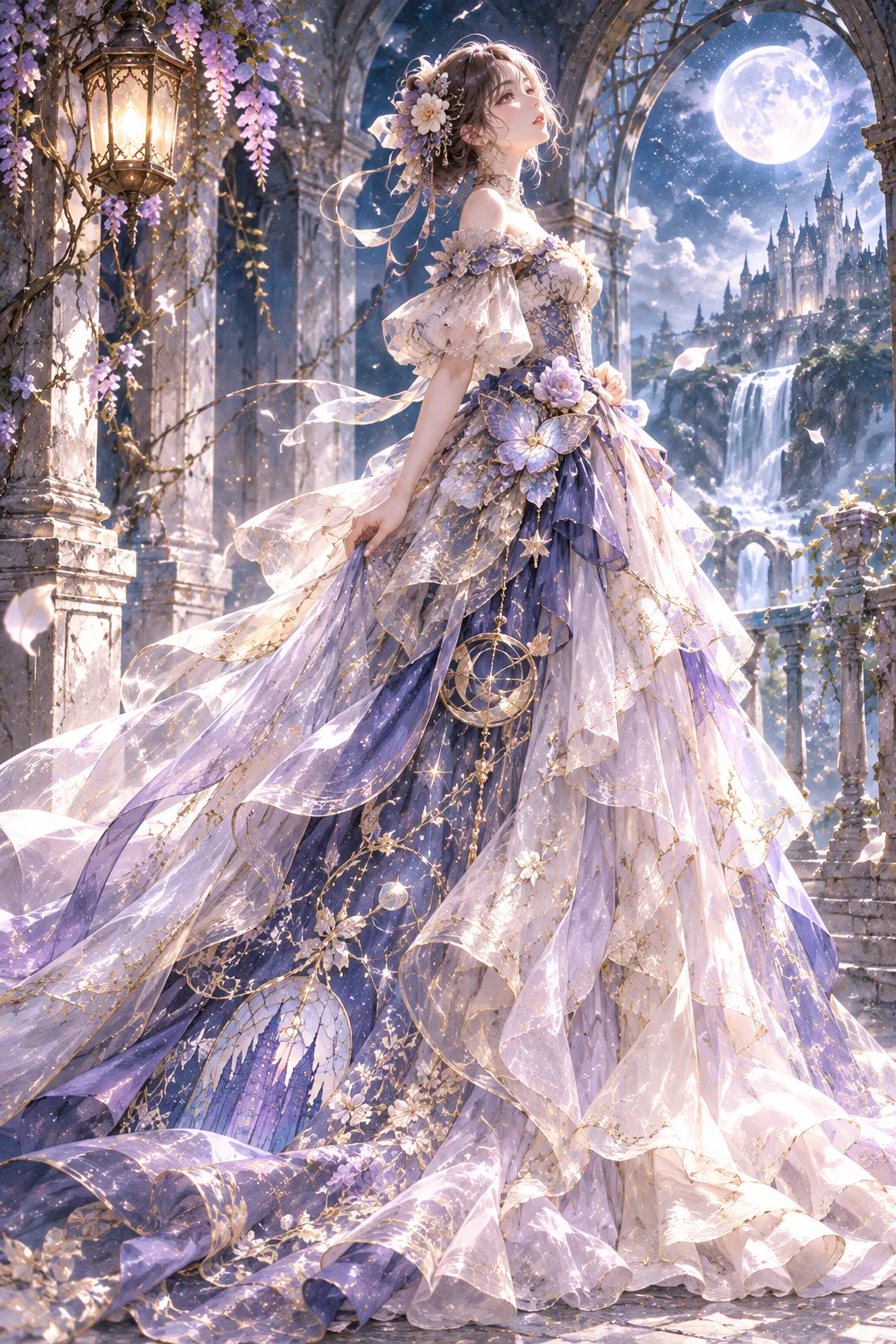
Prompt template
- Format
- Markdown
- Inputs
- Person_reference_image (image) · Optional
- Outputs
- Fantasy_couture_artwork (image) Story_title_and_opening (text)
## The Dress Before the Story

Create one fantastical dress artwork that makes viewers imagine a story they have not yet heard: Who will wear the dress? Where will they go? What will happen next?

### Story concept
Invent an original fictional story. Choose any genre, such as a fairy tale, myth, fantasy literature, Gothic romance, magic, a forgotten kingdom, or time travel. Do not recreate a costume from an existing work.

Reflect the story’s setting, the protagonist’s fate, and a hidden secret in the dress design. Do not depict the story’s ending; emphasize the sense that something is about to begin.

### Dress design
Make one original dress the central subject. Choose its silhouette, materials, colors, embellishments, and construction to suit the story. Freely combine elements such as a long flowing train, layered tulle, delicate lace, embroidery, sheer organza, or luminous lightweight fabrics.

Include a symbolic motif that is key to the story, such as a key, moon, clock, butterfly, rose, star, feather, ancient writing, or seal. Give the embellishments meaning within the story rather than using them solely for beauty.

### Storytelling details
Choose the fantastical effect that best suits the story. For example, stars might blend into the hem, an embroidered flower might seem about to bloom, the shadow of a lost castle might appear through sheer fabric, or a long train might transform into mist, water, or light. Do not combine every effect; create one coherent visual world.

### Person
Show exactly one person wearing the dress, with the entire figure visible. If a reference image is provided, preserve the person’s facial features, hairstyle, hair color, apparent age, and build as closely as possible. If no image is provided, invent an original person suited to the story.

Keep the person secondary to the dress. Give their expression, gaze, and gesture a quiet sense of resolve, as if they are about to step into the story.

### Setting and composition
Choose a fantastical place that hints at the beginning of a story, such as a castle corridor, moonlit garden, misty forest, forgotten library, or star-filled staircase. Make the setting feel naturally connected to the dress’s world.

Use a vertical 2:3 composition that contains the full figure and dress. Do not crop the hem or train; show the complete silhouette clearly.

### Art style
Create fantastical haute-couture fashion art, combining highly detailed, realistic textures with poetic, painterly expression. Carefully render the fabrics’ sheerness and layers, embroidery, sheen, and soft shadows. Use delicate, elegant lighting and an atmosphere that is beautiful, slightly uncanny, and quietly wistful.

### Important constraints
- The single dress is the main subject.
- Do not imitate a costume from an existing work.
- Weave foreshadowing into the design.
- Give the colors and embellishments a coherent meaning.
- Include exactly one person.
- Show the full figure and the entire hem and train.
- Do not let excessive ornament obscure the silhouette.
- Include no text, logos, or watermarks.

After generating the image, provide the title of the story you invented and its opening in 2–3 sentences. Do not reveal the ending.

Create a dress that invites the viewer to want to know what happens next—not one whose beauty is the only thing to discover.

“The moment she wears that dress, a story that did not yet exist begins to move.”
What you'll create
This prompt creates a full-length fantasy fashion artwork centered on an original couture dress, with its design and setting shaped by an imagined story. It also asks for a story title and a short opening that preserves a sense of mystery
Usage instructions
Frequently asked questions
What does a reference image guide?
If you provide one, use it to preserve the person’s facial features, hairstyle, hair color, apparent age, and build as closely as possible
How should the imagined story appear in the dress?
Reflect the story’s setting, the protagonist’s fate, and a hidden secret through meaningful motifs and design choices rather than decorative details without narrative purpose
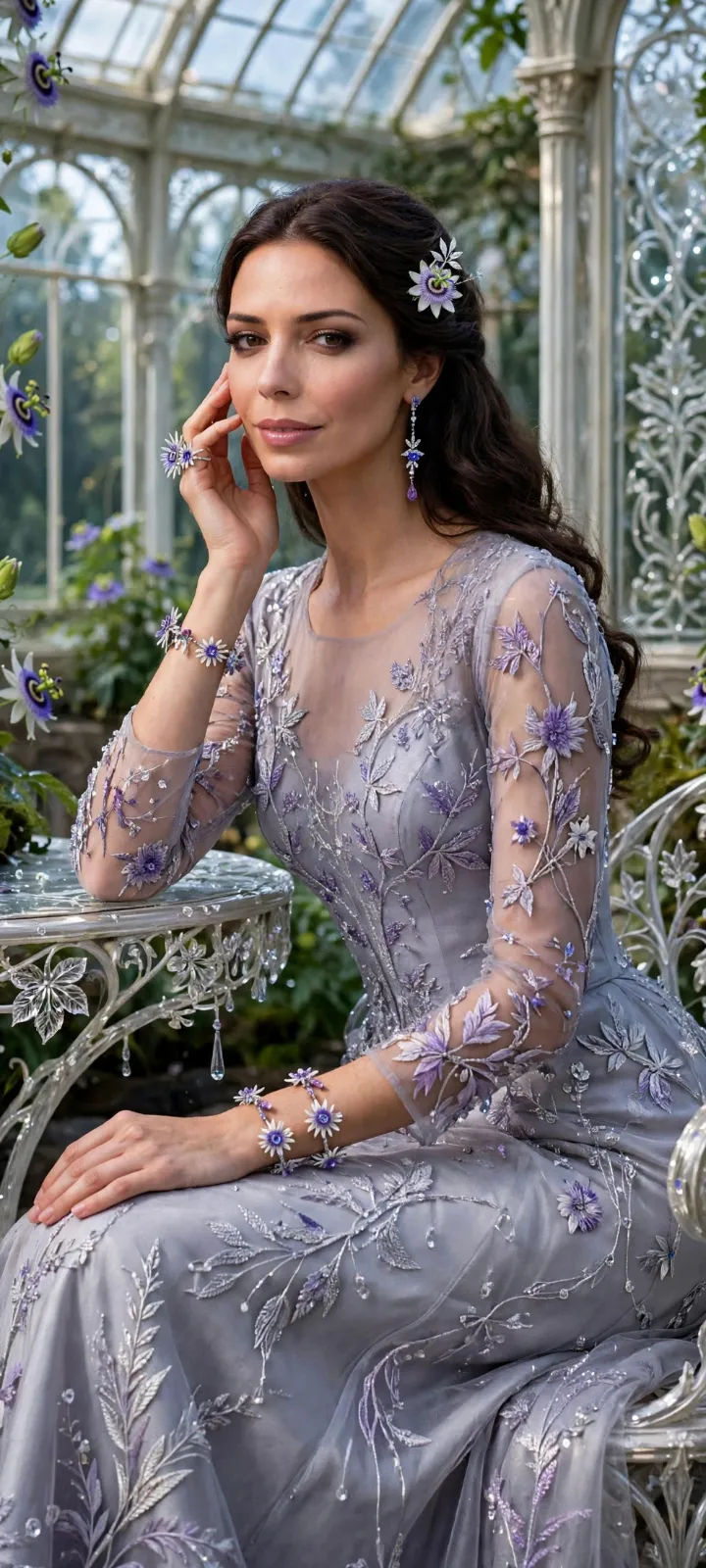
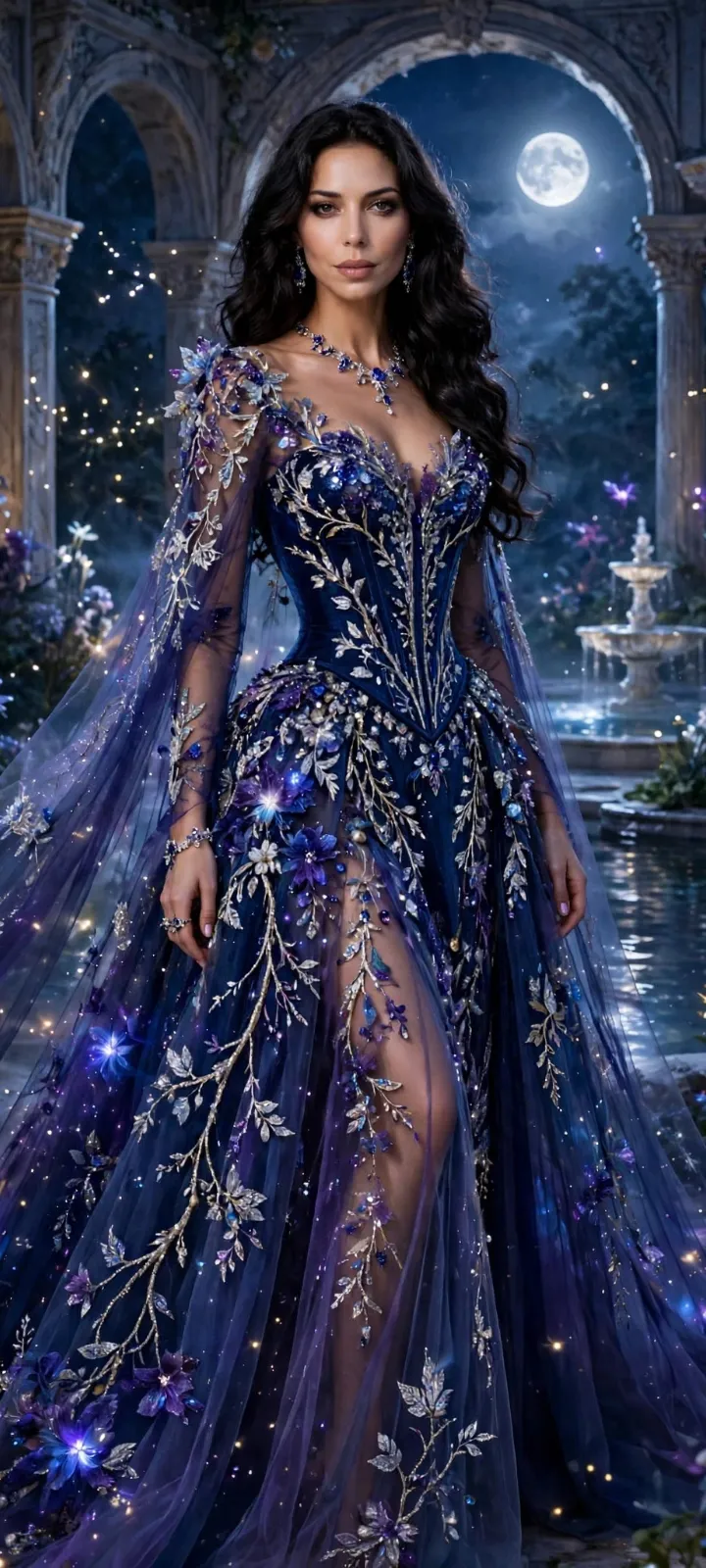


Comments
Tried this prompt? Share what you made, compare results, or ask a question