Create a Continuous Second-World Collage Poster
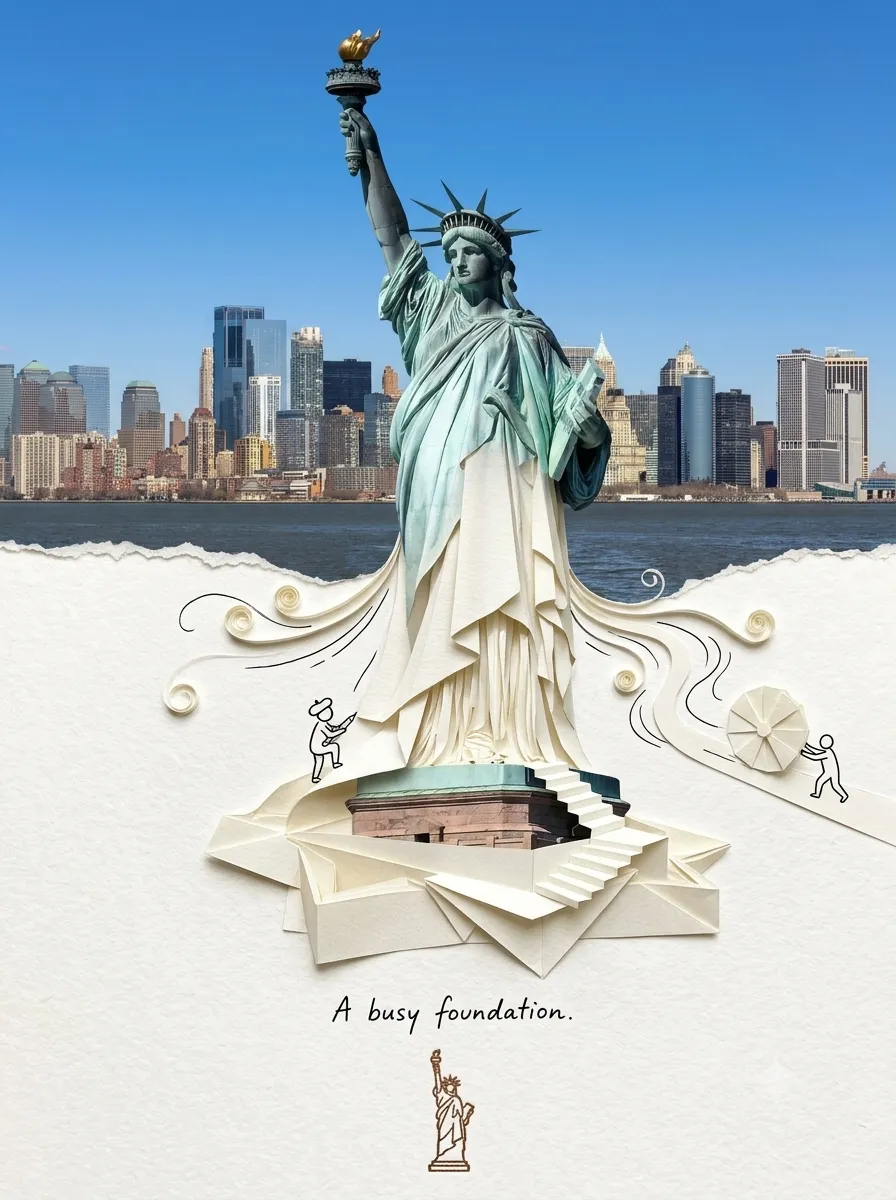
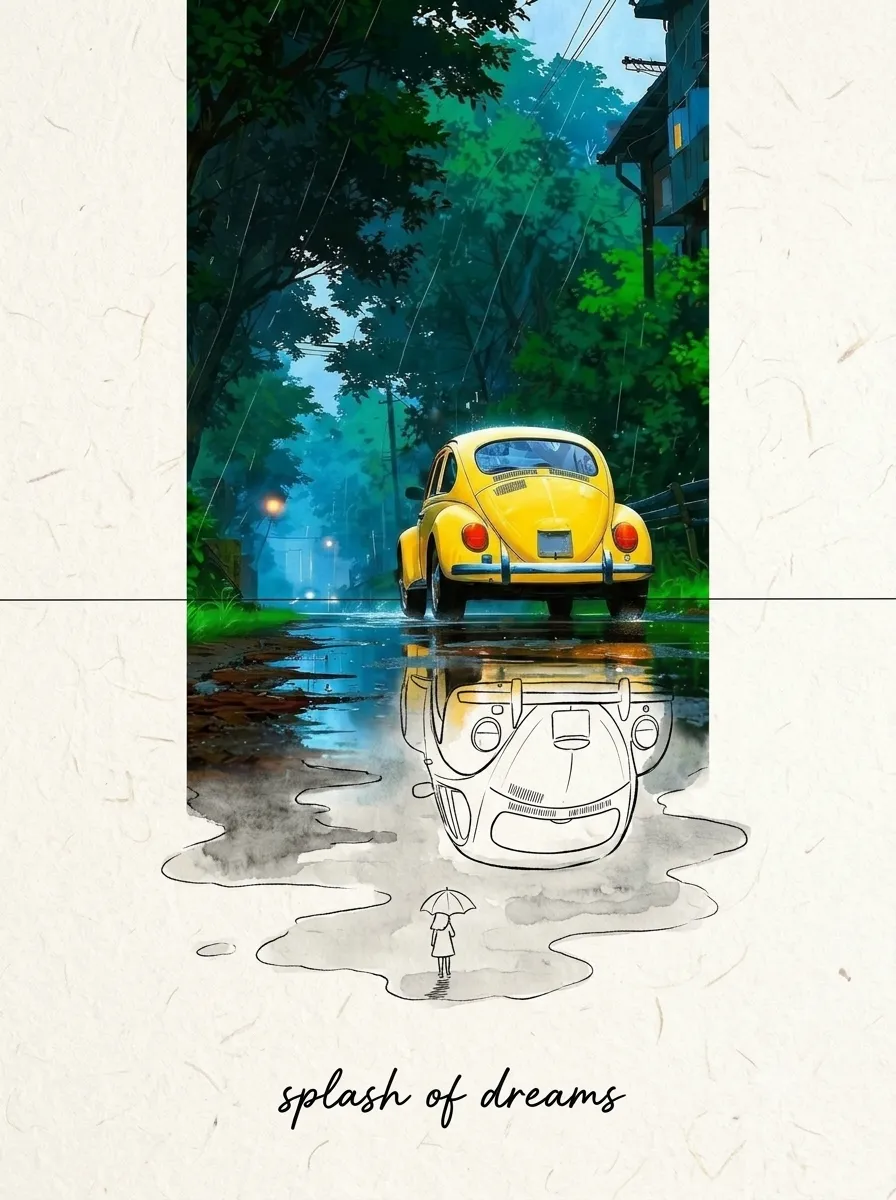
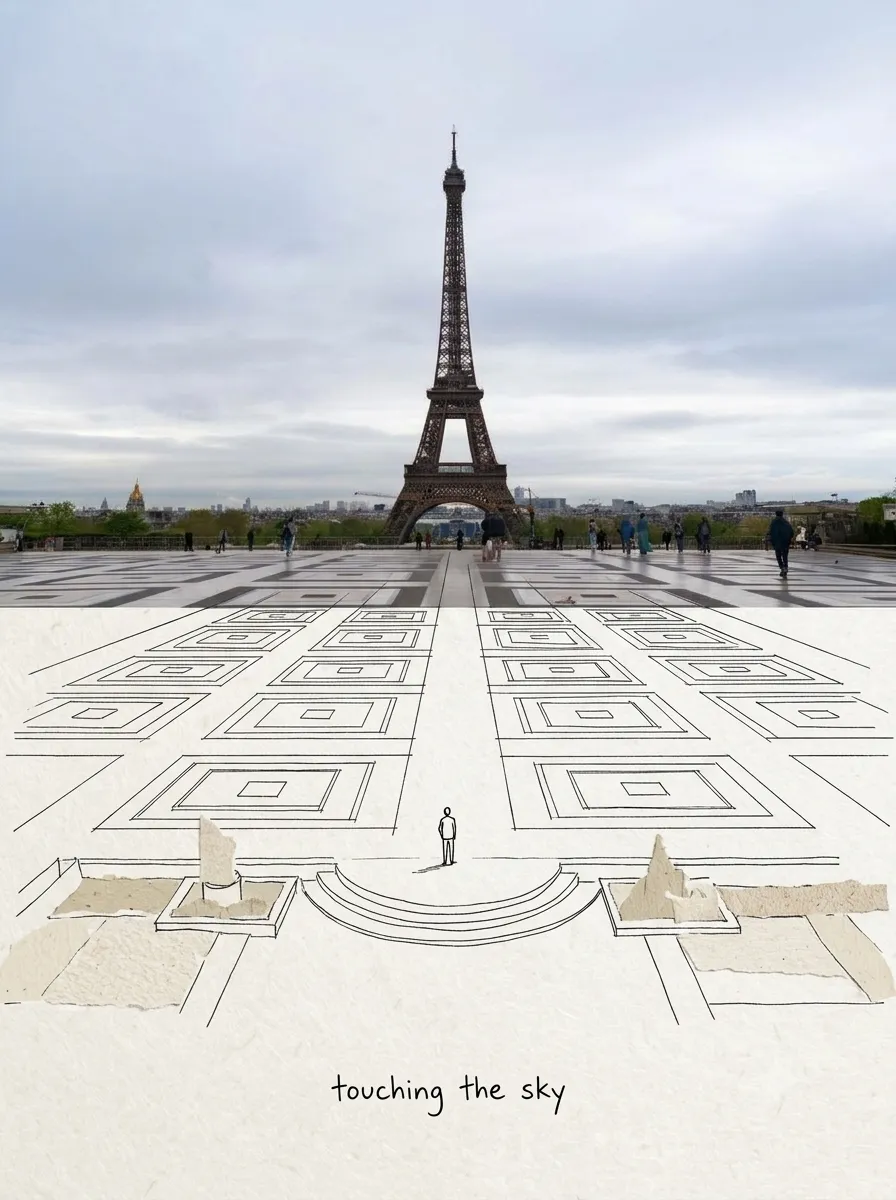
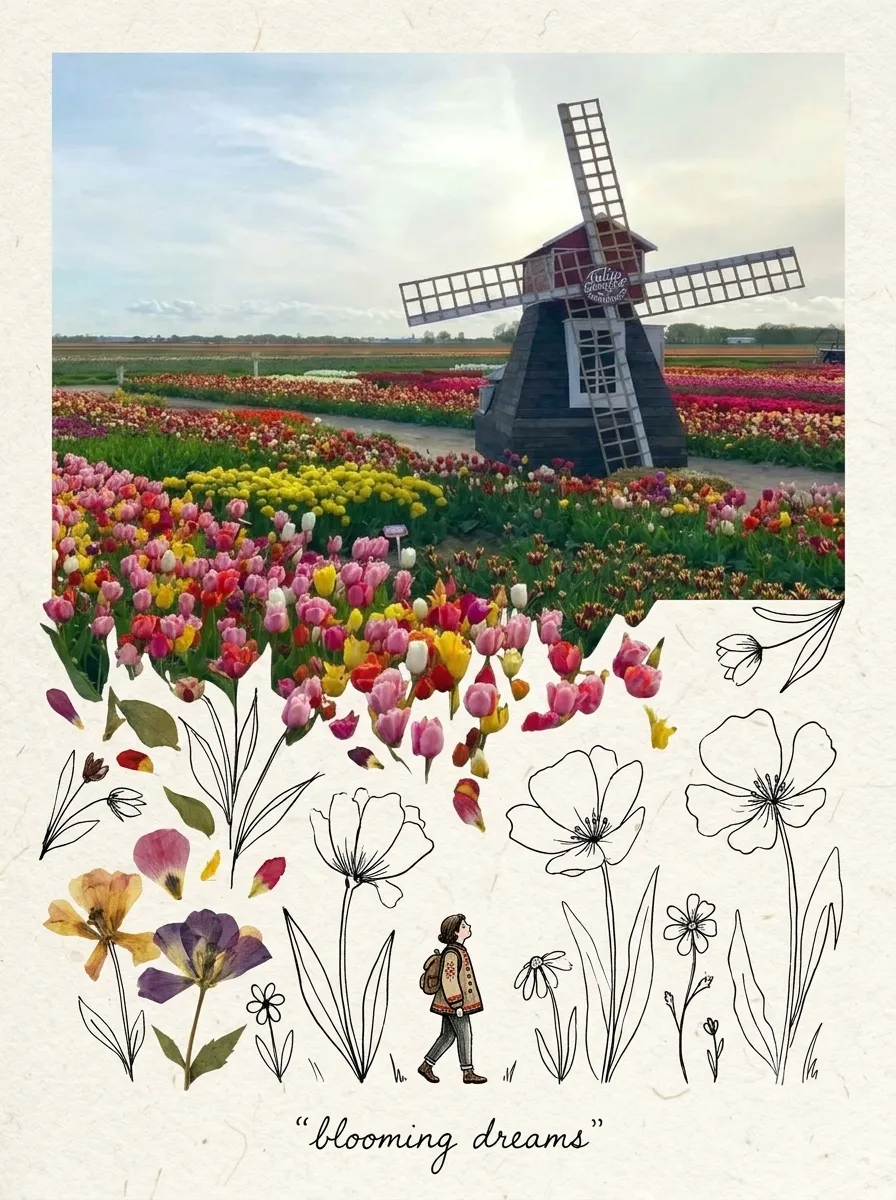
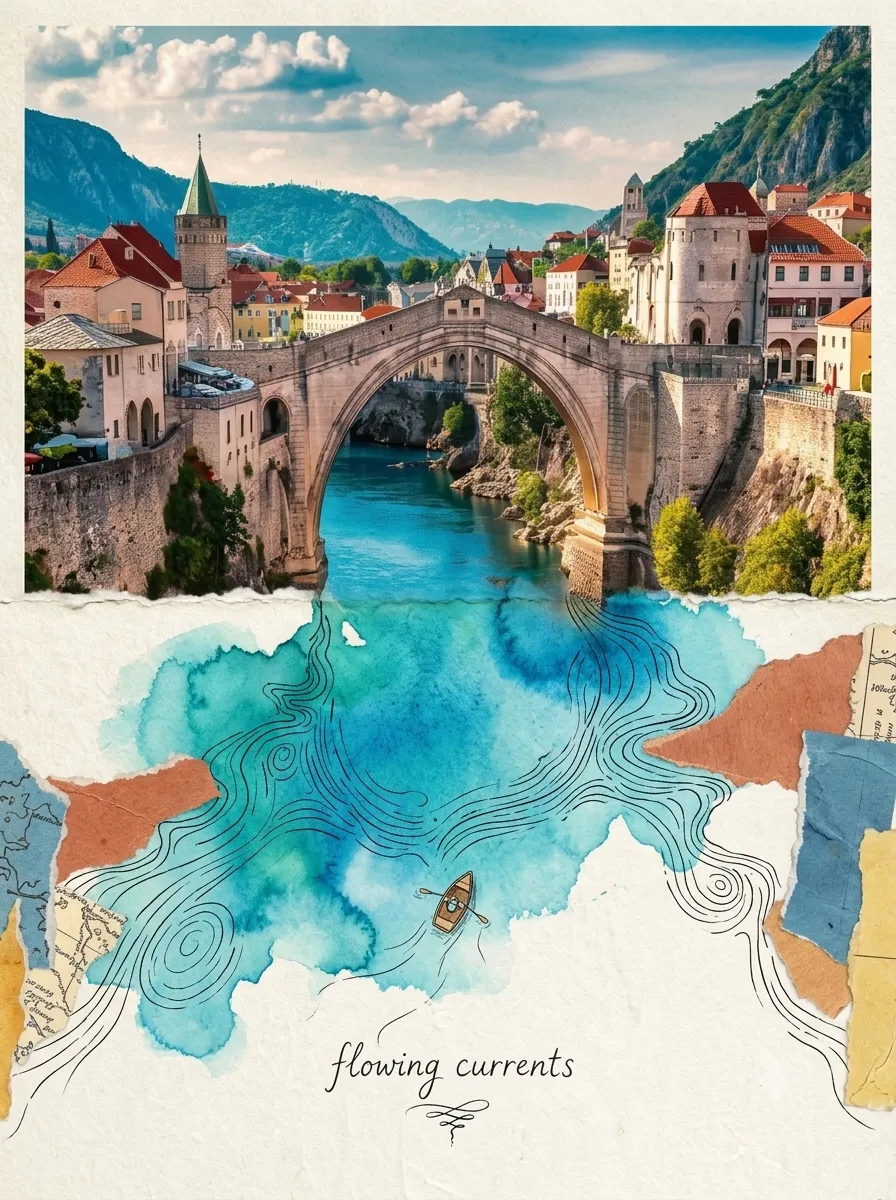
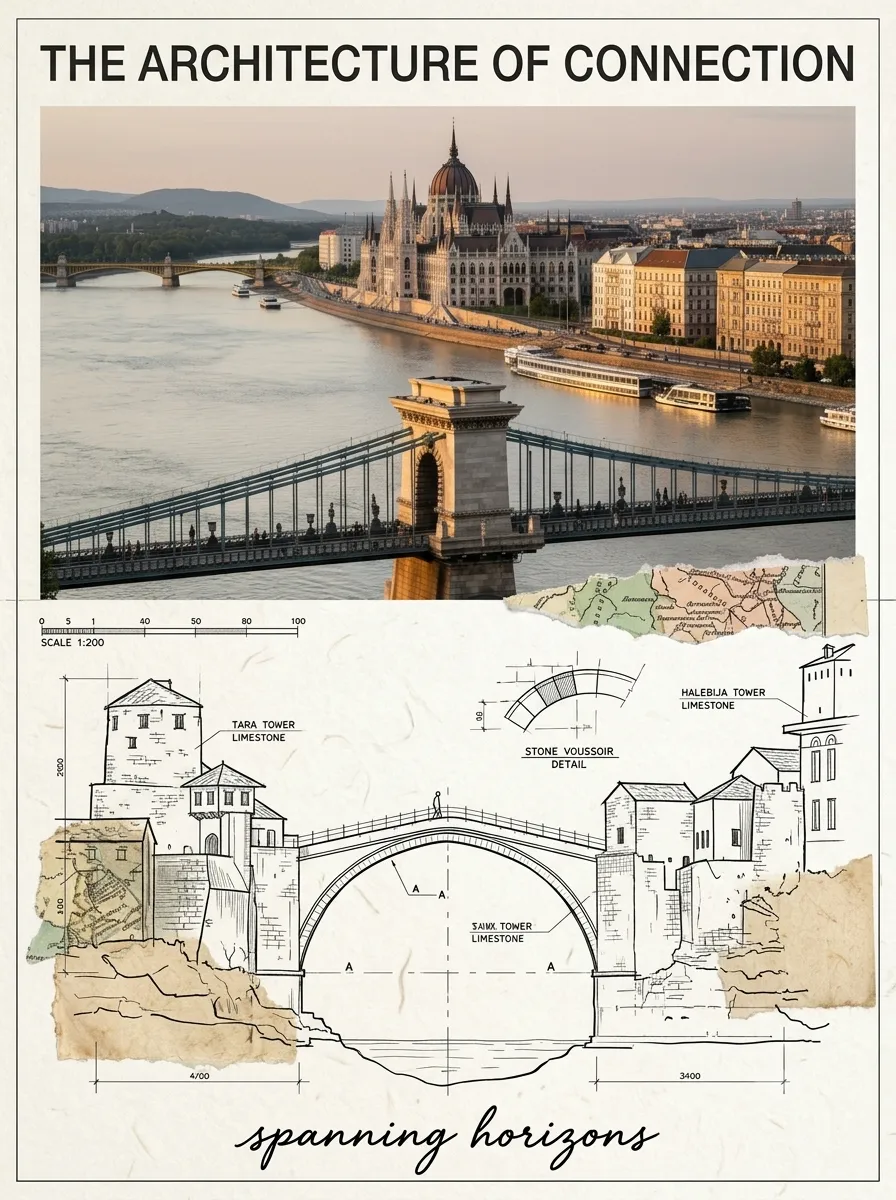
Transform a landscape, portrait, or pet photo into a vertical poster where the original photograph flows across the center seam into a connected paper-collage world.
Example outputs
Prompt template
- Format
- Text
- Inputs
- Source_photo (image) · Required Logo_image (image) · Required
- Outputs
- Second_World_poster (image)
Transform the supplied photo into a continuous “Second World” poster on a 3:4 vertical canvas, split horizontally into two equal halves.

Top half: Preserve the photo’s realism, subject, pose, spatial relationships, color atmosphere, and natural lighting. Do not redesign, redraw, replace, or rearrange anything. Allow only proportional cropping when necessary.

Continuity is the highest priority. Find a structure in the photo that naturally touches the center dividing line, such as a road, coastline, water flow, reflection, tree branch, beam of light, architectural detail, or body movement. Continue that same structure smoothly across the boundary into the lower half, as though the photographed scene extends through the seam and changes its physical laws. Tailor the continuation to the source: for example, keep flowing water connected as it is pulled, extend a road into a hand-drawn path, or turn a beam of light into a tangible object. Do not repeat the same interaction mechanically.

The lower half should be white cold-pressed paper with delicate fiber texture and generous white space. Extend the source structure using restrained photo fragments, cutout shapes, and minimalist black hand-drawn lines in a quilling or origami paper-art style suited to the image and its Second World logic. The lower elements must remain visibly connected to the scene above; do not turn them into unrelated portals, windows, stages, bases, or floating illustrations. Any human or other character elements must interact physically with the extended structure, and must not be used merely as decoration. If the original photo already contains strong human action, add no figures. Otherwise, add 0 to 3 tiny minimalist black line figures only when necessary.

An irregular torn-paper edge may follow the source structure at the center division. It must not be merely decorative, and its shape should respond to the image rather than repeat a fixed outline. Source elements may touch, align with, break through, or extend beyond the torn edge.

Based on the action in the photo, add a short handwritten English caption of 2–6 words. Make it natural, relaxed, slightly humorous, and correctly spelled. Do not use inspirational quotes or a fixed “Same..., different...” sentence structure. Include the attached logo image as a stamp.
What you'll create
A source photo remains intact above a lower paper-art reinterpretation in a two-half vertical design. A road, reflection, branch or similar structural line crosses the center seamlessly to connect both visual worlds.
Usage instructions
Provide the source photo and the logo image to be stamped. A photo with a road, water, reflection, branch, light, architectural detail, or movement touching the center seam gives the transition a clear starting point; choose quilling or origami paper art to suit the source and its imagined continuation.
Frequently asked questions
Is a separate divider permitted?
Continuity across the center is the main priority, with the same structure flowing through it.








Comments
Tried this prompt? Share what you made, compare results, or ask a question