Vintage Baseball Editorial Portrait
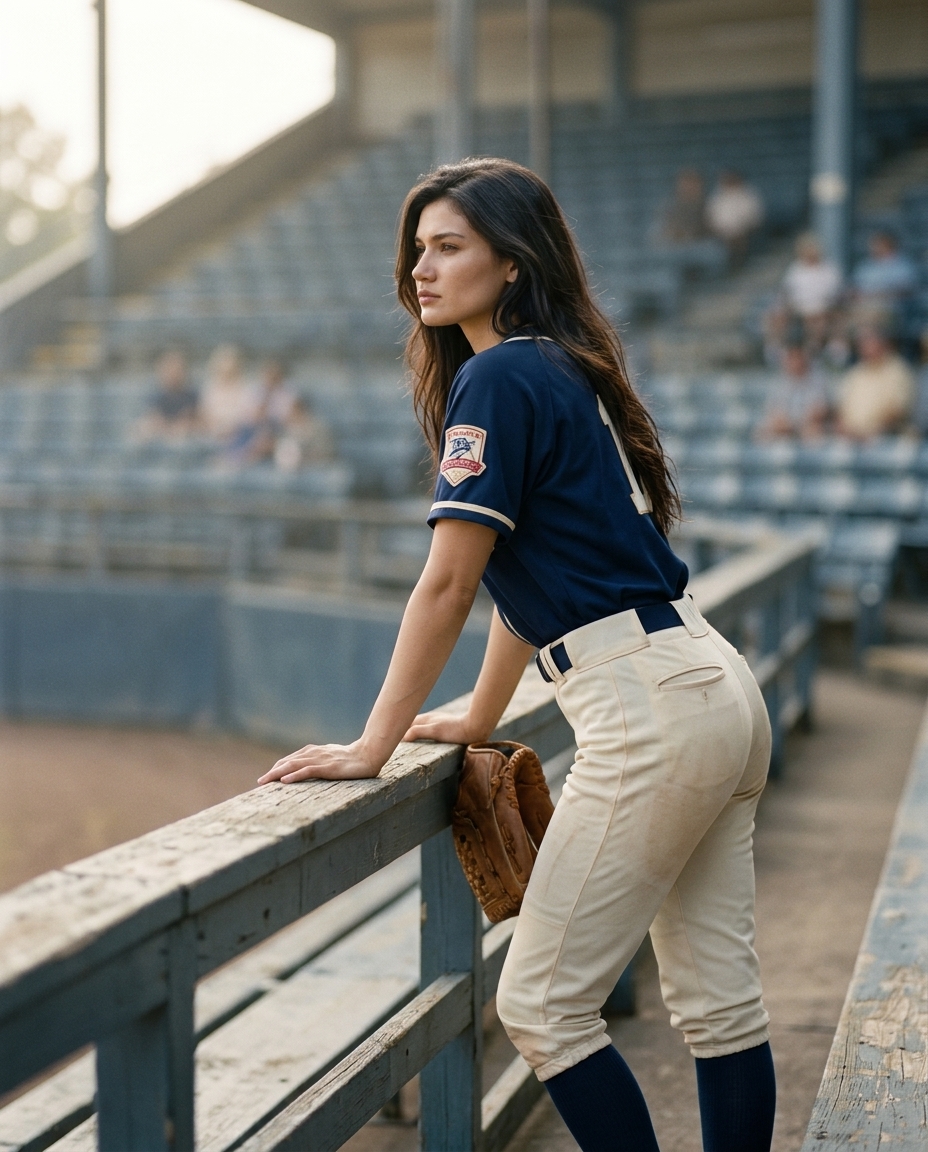
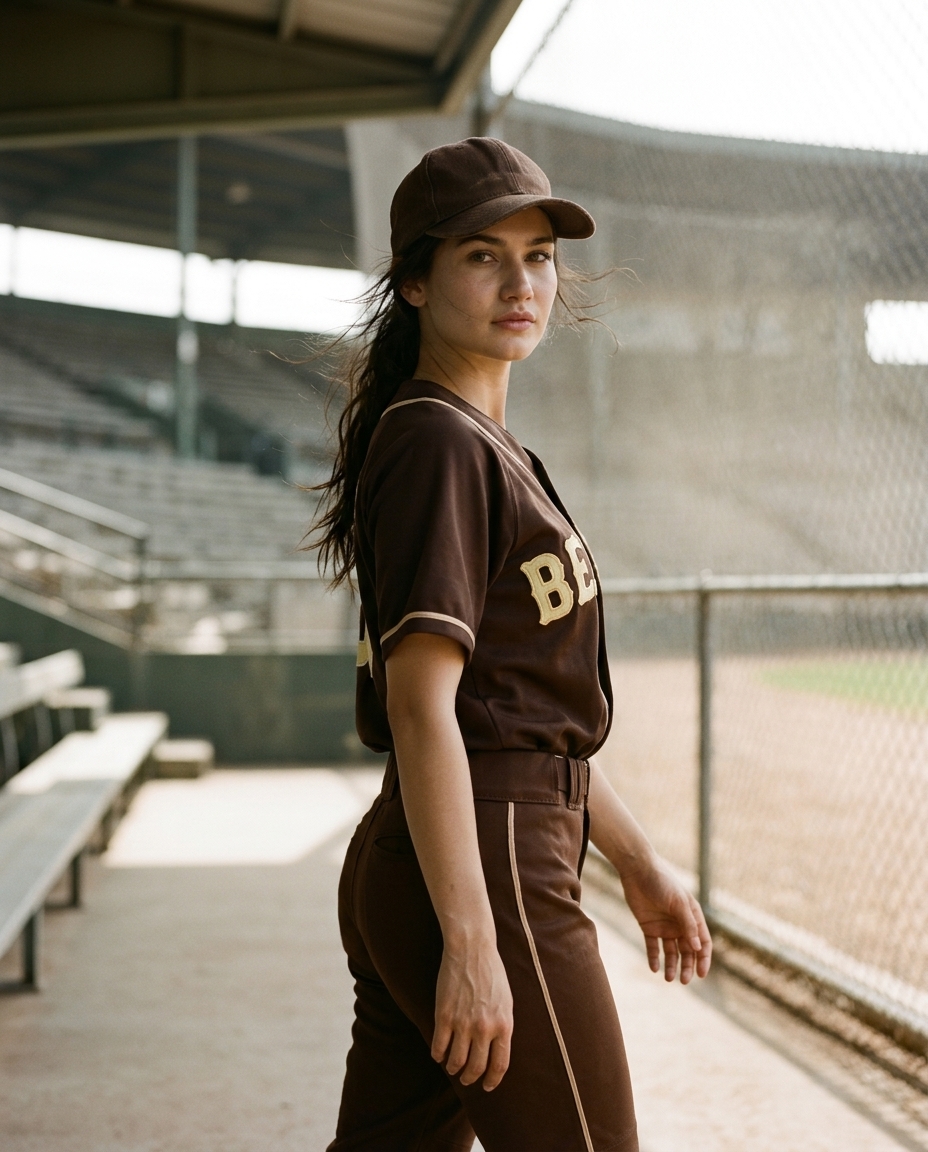
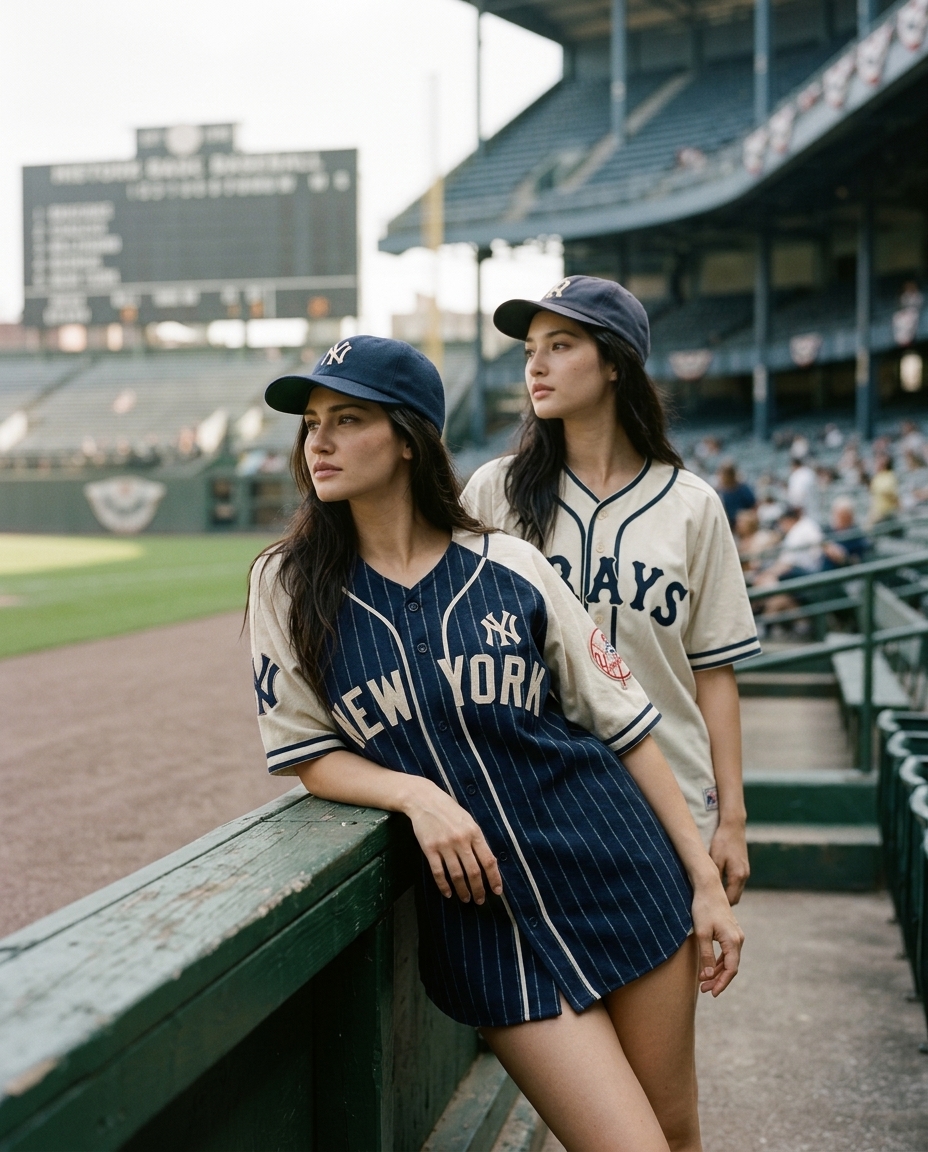
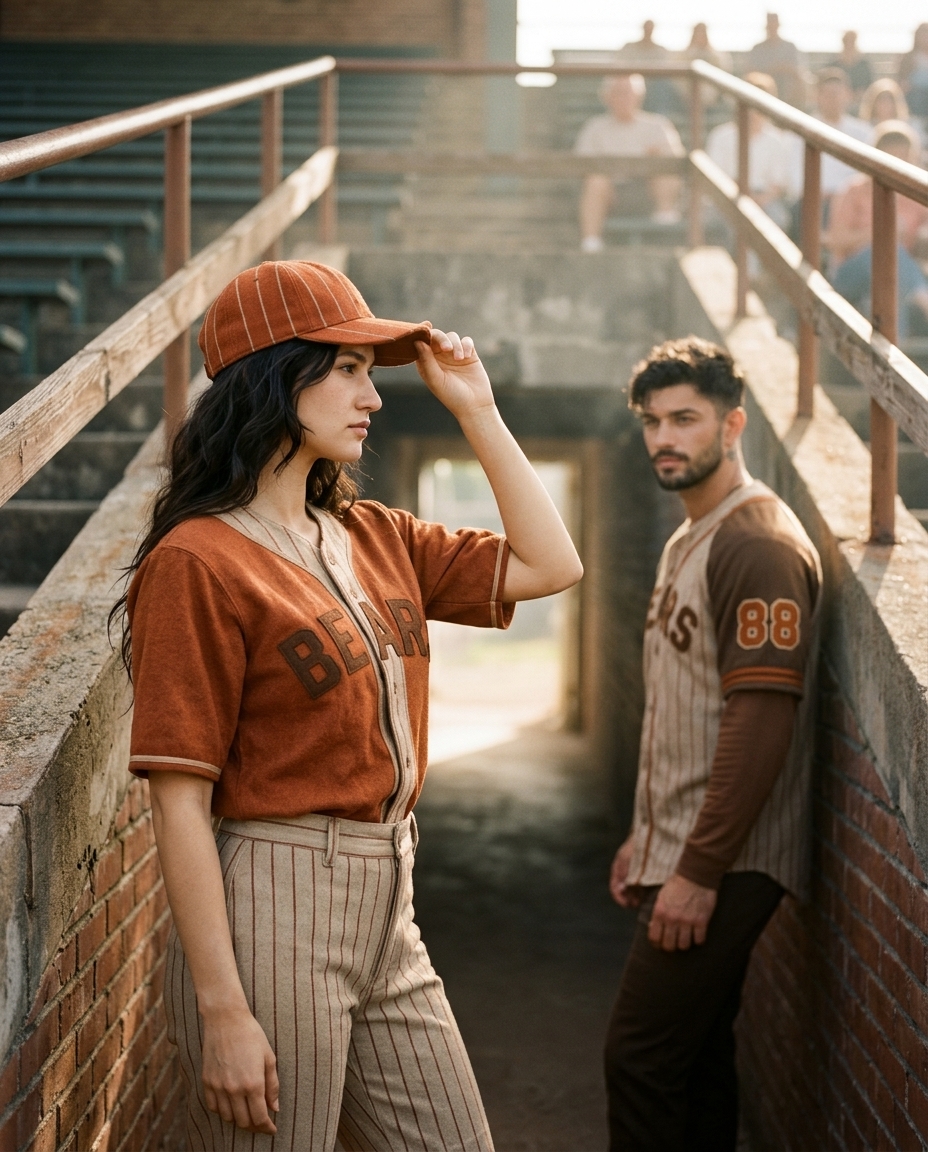
Create a photorealistic, nostalgic baseball editorial portrait with randomized vintage uniforms, coordinated stadium colors, and analog-film character.
Example outputs
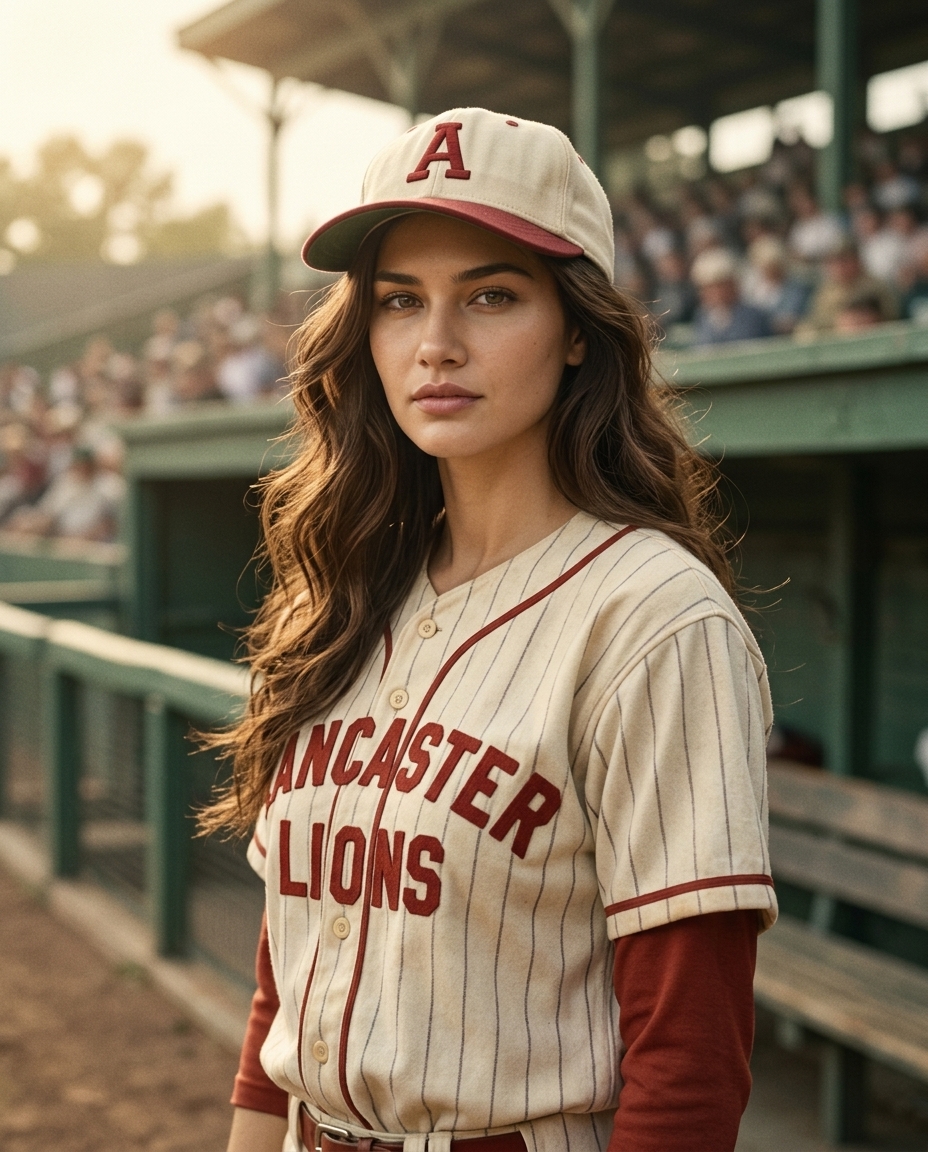
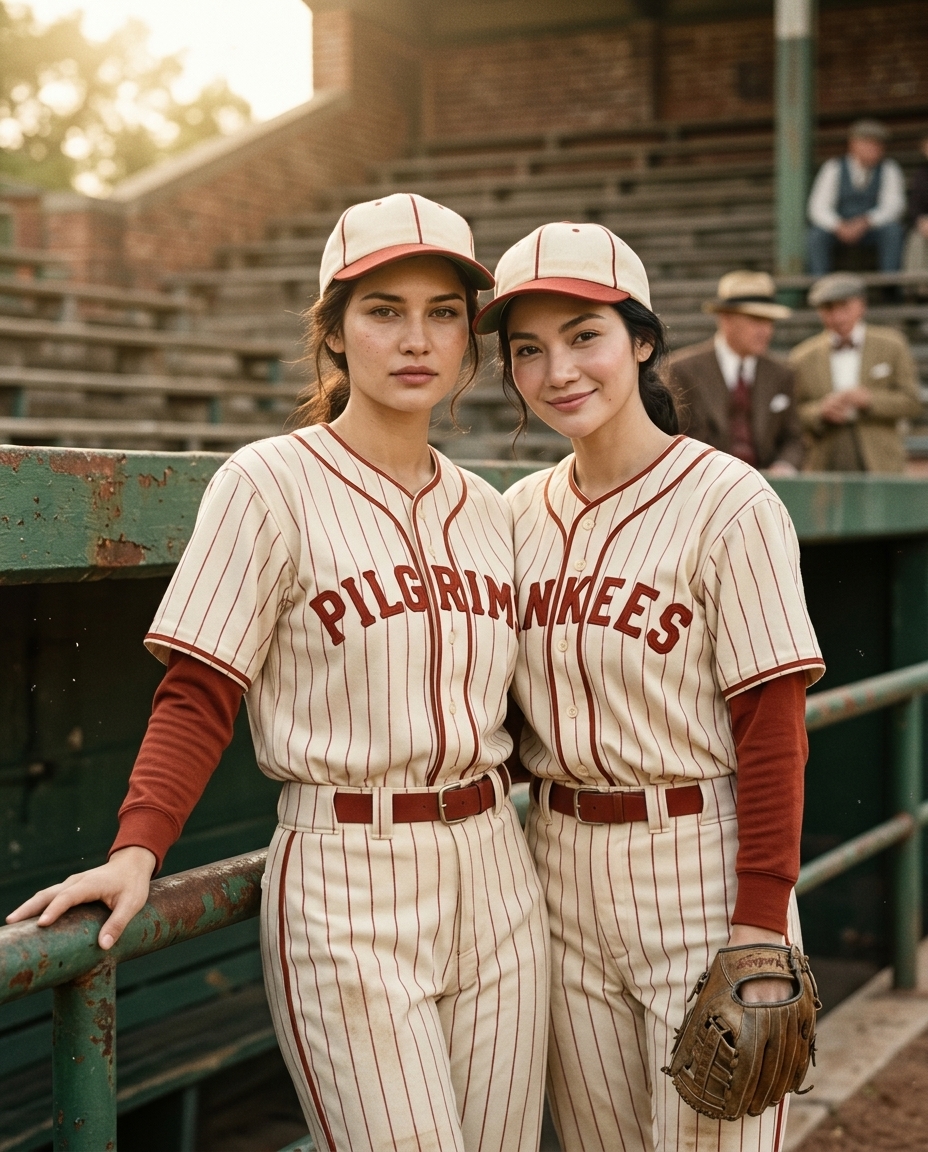
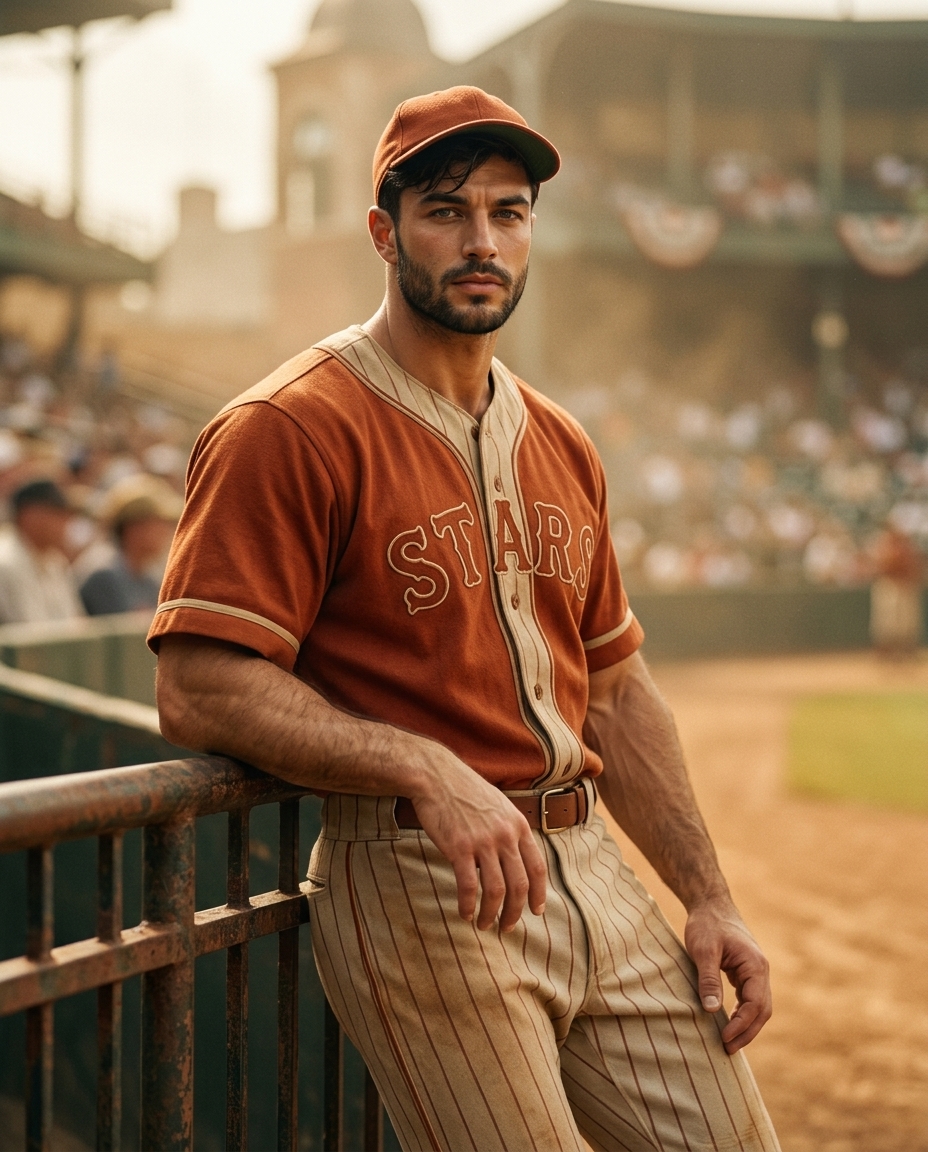
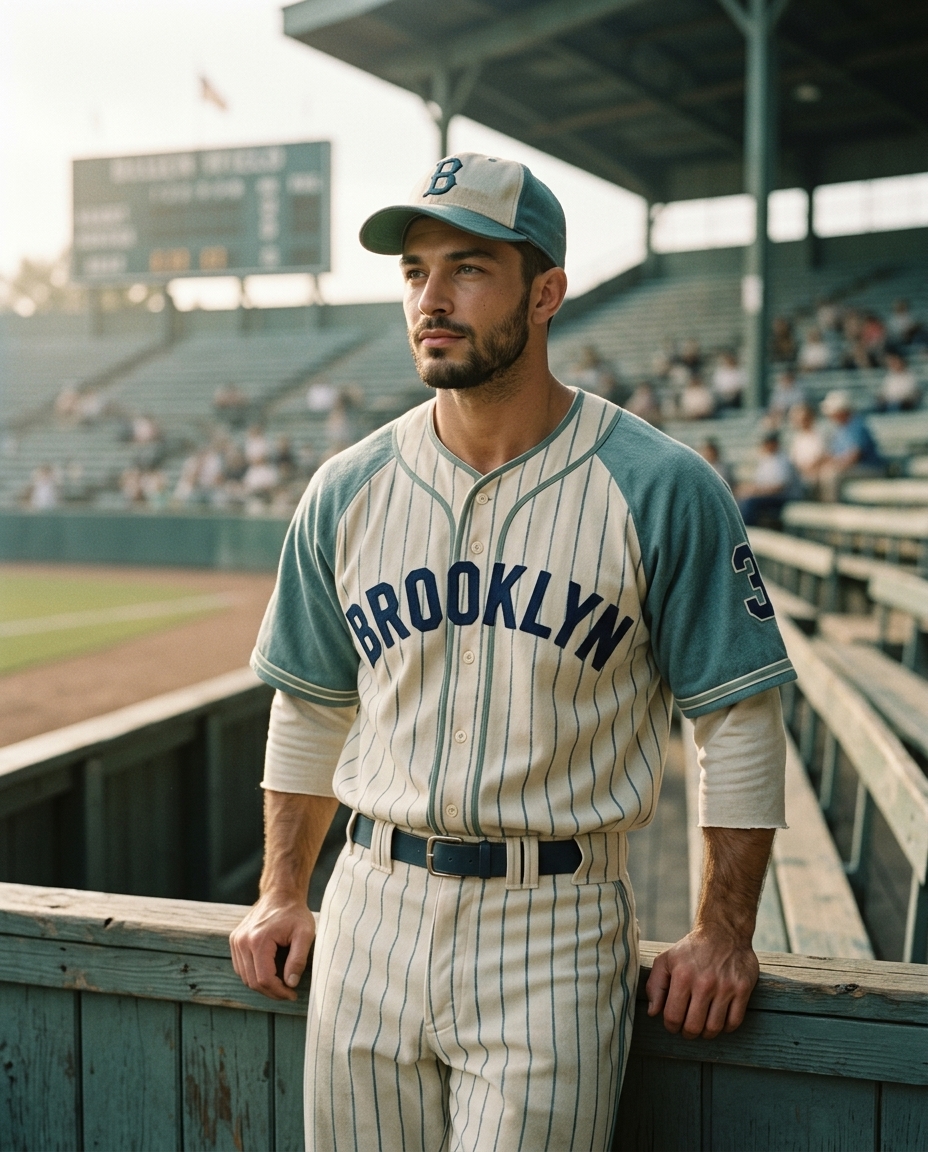
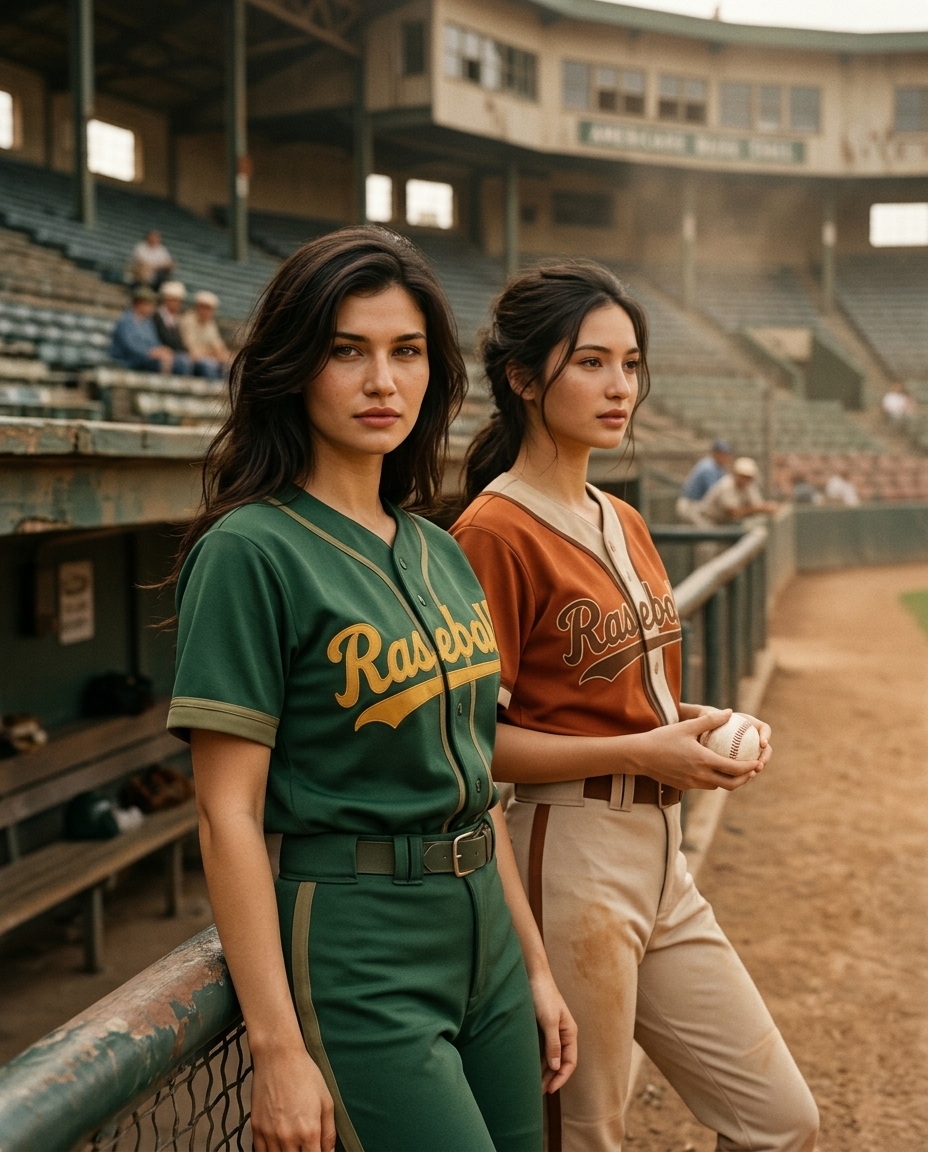
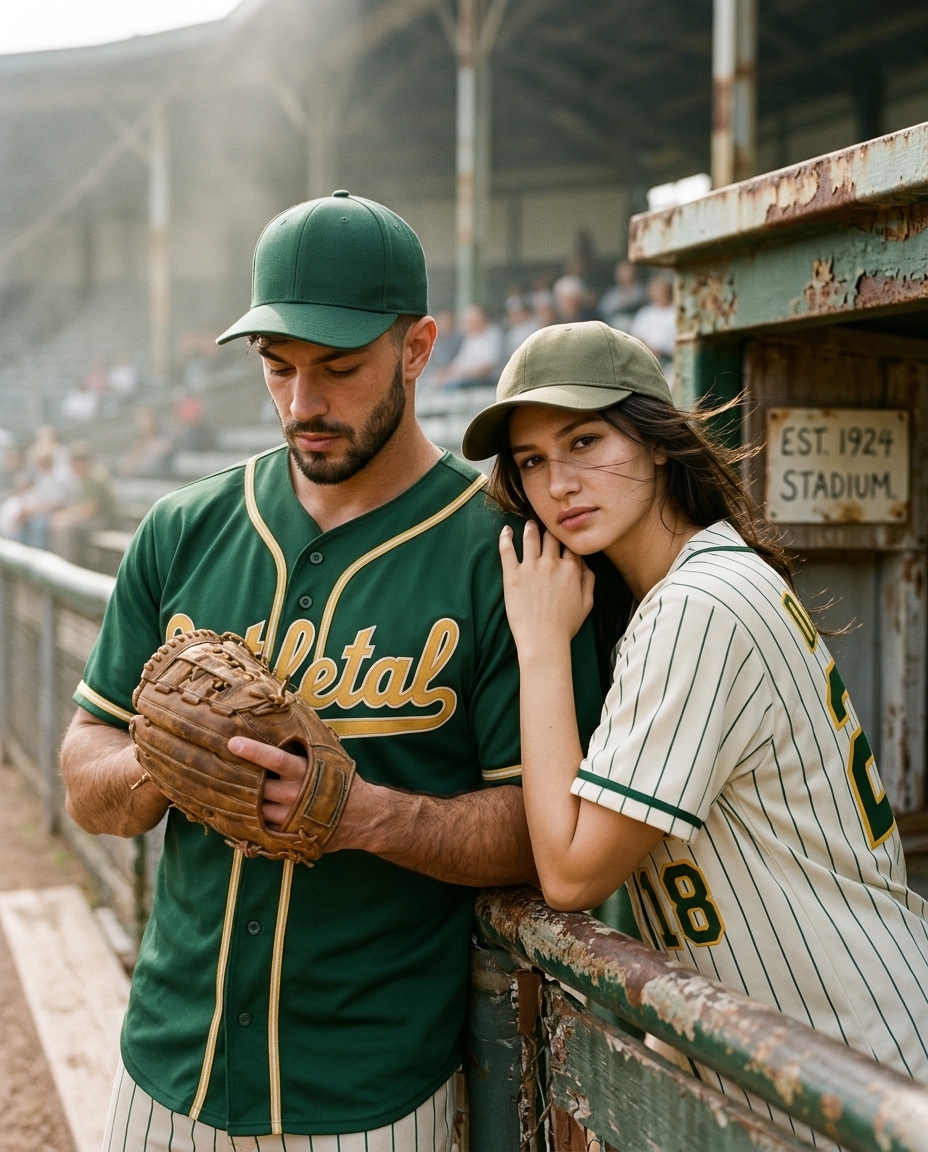
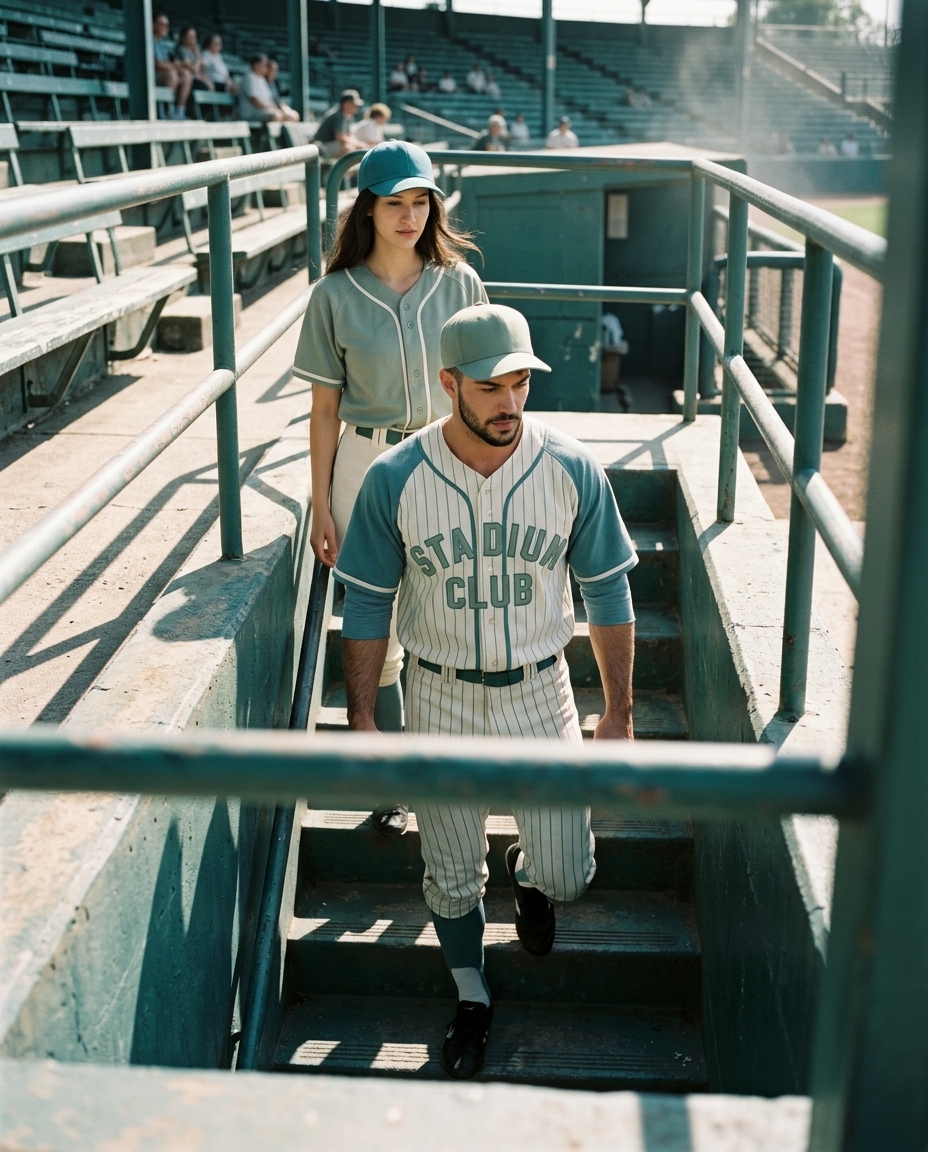
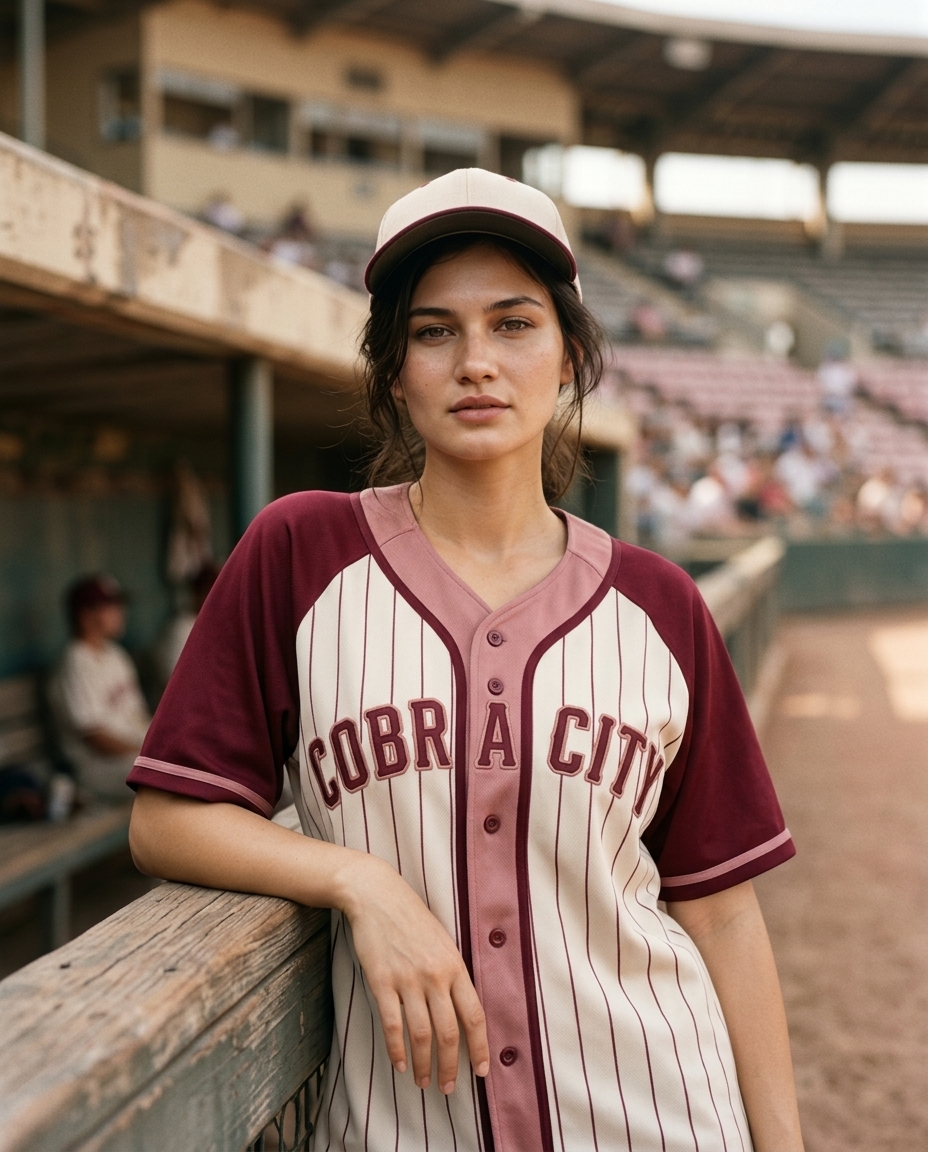
Prompt template
- Format
- Text Parameterized
- Inputs
- portrait_type (text) · Optional · Default: solo reference_images (image) · Required
- Outputs
- editorial_portrait (image)
Create an exceptionally realistic vintage American baseball editorial photograph featuring ${portrait-type:solo}—either exactly one adult subject or exactly two adult subjects as a couple. The portrait can feature male, female, or mixed-gender subjects. Use the uploaded reference image or images as the primary facial identity references.

Preserve each person’s recognizable facial structure, proportions, eyes, nose, lips, jawline, skin tone, and distinctive characteristics. Do not replace, reinterpret, blend, duplicate, swap, or unnecessarily beautify identities. Allow natural variations in expressions, hairstyles, and subtle styling while keeping each person recognizable.

Create a fresh, randomly selected vintage baseball uniform color combination for every generation; do not default to cream and red. Draw inspiration from palettes such as burgundy, ivory, and dusty rose; navy, antique cream, and slate blue; forest green, mustard, and muted olive; rust orange, sand, and warm brown; powder blue, maroon, and faded blue-grey; chocolate brown, pale yellow, and warm beige; dusty teal, ivory, and muted sage; deep red, charcoal, and faded blush; mustard yellow, dark green, and antique gold; muted lavender, burgundy, and dusty mauve; vintage orange, dark navy, and faded tan; or dusty pink, chocolate brown, and warm ivory. These are examples, not a fixed selection.

Randomize the dominant and secondary colors, sleeve colors, collars, piping, pinstripes, and cap details. Dress the subject or subjects in authentic retro American baseball jerseys with vintage embroidered lettering, traditional pinstripes, contrasting sleeves, old-fashioned baseball insignias, and classic baseball caps. For a couple, coordinate complementary or harmonizing outfits rather than identical uniforms. Adapt styling naturally to masculine, feminine, or unisex appearances. Avoid modern athletic fabrics, contemporary sportswear, and futuristic uniform designs.

Make the entire stadium environment harmonize with the randomly selected uniform palette; do not retain a fixed green-and-red background. Derive environmental colors from the uniforms using complementary, analogous, or tonal relationships. For example, pair burgundy uniforms with dusty rose, muted brown, and warm beige; navy with faded blue-grey, slate, and muted steel blue; forest green with sage, moss, olive, and warm earth tones; rust with terracotta, dusty ochre, and warm sand; or powder blue with faded blue, muted mauve, and soft neutrals. Adapt stadium railings, bleachers, distant spectators, architectural details, and atmospheric haze to the palette. Let the background subtly echo the clothing without competing with the subjects. Keep colors sophisticated and muted; avoid oversaturation and artificially colorful backgrounds.

Set the scene in an authentic old American baseball stadium with vintage bleachers, dugout railings, subtle architectural details, and indistinct spectators. Make the environment nostalgic, lived-in, slightly aged, and atmospheric. Create depth with softly focused spectators, naturally blurred stadium structures, and subtle environmental details. Avoid modern stadium architecture, LED screens, contemporary advertising boards, and overly polished surroundings.

Maintain a consistent nostalgic analog-film aesthetic across color variations: warm, slightly faded colors; soft, creamy highlights; muted, sophisticated saturation; gentle atmospheric haze; subtle warm undertones; soft shadow transitions; delicate film grain; natural highlight halation; organic optical softness; and cinematic depth. Give the background a slightly misty, softly diffused, low-contrast, gently faded atmosphere. Separate the detailed foreground subjects subtly from the atmospheric background. Avoid excessive clarity, digital sharpness, modern HDR, harsh contrast, and artificial fog.

Use soft natural daylight, preferably entering from the upper left or side of the frame. Give faces gentle golden illumination, natural skin highlights, softly illuminated hair, and subtle shadows. Keep the lighting organic and consistent with the stadium, and harmonize its temperature with the chosen palette.

Randomize poses, expressions, and composition so each generation feels different. For a solo portrait, explore relaxed three-quarter standing poses; direct eye contact or a gaze toward the field; casual leaning against stadium railings; slightly turned shoulders and a natural head angle; hands resting casually or adjusting the cap; and relaxed, candid expressions. For a couple, explore standing side by side with different body orientations; one person slightly behind the other; natural shoulder contact; one person looking at the camera while the other looks away; subtle affectionate interactions; and relaxed independent poses with natural spatial depth. Vary head angles, eye direction, expressions, body orientation, and relative positioning. Avoid stiff symmetry, identical expressions, repetitive head positions, and mannequin-like body language.

Use a vertical 4:5 portrait composition with natural half-body or medium framing, generally from head to waist. For a couple, keep both people comfortably visible and proportionally balanced. Use professional full-frame photographic aesthetics, an 85mm portrait lens, shallow depth of field, realistic optical bokeh, and natural perspective. Keep faces and foreground details well defined while the background remains softly atmospheric.

Render ultra-photorealistic skin with fine visible pores and subtle natural imperfections; realistic facial anatomy; individually detailed hair strands; authentic fabric weave, embroidery, and stitching; believable clothing folds; natural proportions; and anatomically correct hands. The final result must look like a real photograph taken by an experienced editorial photographer with an actual camera and a vintage-film aesthetic.

Each generation should feel like a different photograph from the same premium vintage baseball editorial collection. Randomize uniform colors, environmental palette, poses, expressions, and composition while preserving the signature nostalgic film aesthetic. Keep the wardrobe and background within one coherent color story.

Final output: ultra-photorealistic vintage American baseball editorial photography in a vertical 4:5 aspect ratio.

Avoid: cartoons, illustrations, paintings, CGI, plastic skin, excessive retouching, oversaturated colors, harsh HDR, modern stadiums, modern sportswear, artificial fog, unrelated background colors, repetitive poses, distorted anatomy, extra limbs, duplicated subjects, merged faces, identity changes, artificial-looking expressions, and exaggerated AI beauty effects.
Replace the ${…} placeholders with your values
before using this prompt. See parameters
and defaults below
Parameters
Replace each placeholder with your own value, or use its default when one is provided
${portrait-type:solo}
portrait-type
Default: solo
What you'll create
A realistic baseball-themed portrait preserves each subject’s identity while introducing a newly selected vintage uniform palette. Natural expressions and coordinated styling support the editorial treatment.
Frequently asked questions
Can the portrait show a couple?
Yes. The portrait-type parameter allows exactly one adult or exactly two adults.
Are cream-and-red uniforms mandatory?
No. The brief explicitly requests varied vintage color combinations rather than a fixed default.




Comments
Tried this prompt? Share what you made, compare results, or ask a question