Vintage Café: Cinematic Analog Lifestyle Portrait
Create a photorealistic, vintage-inspired café portrait using a reference image to determine the subject or couple and preserve their identities.
Example outputs
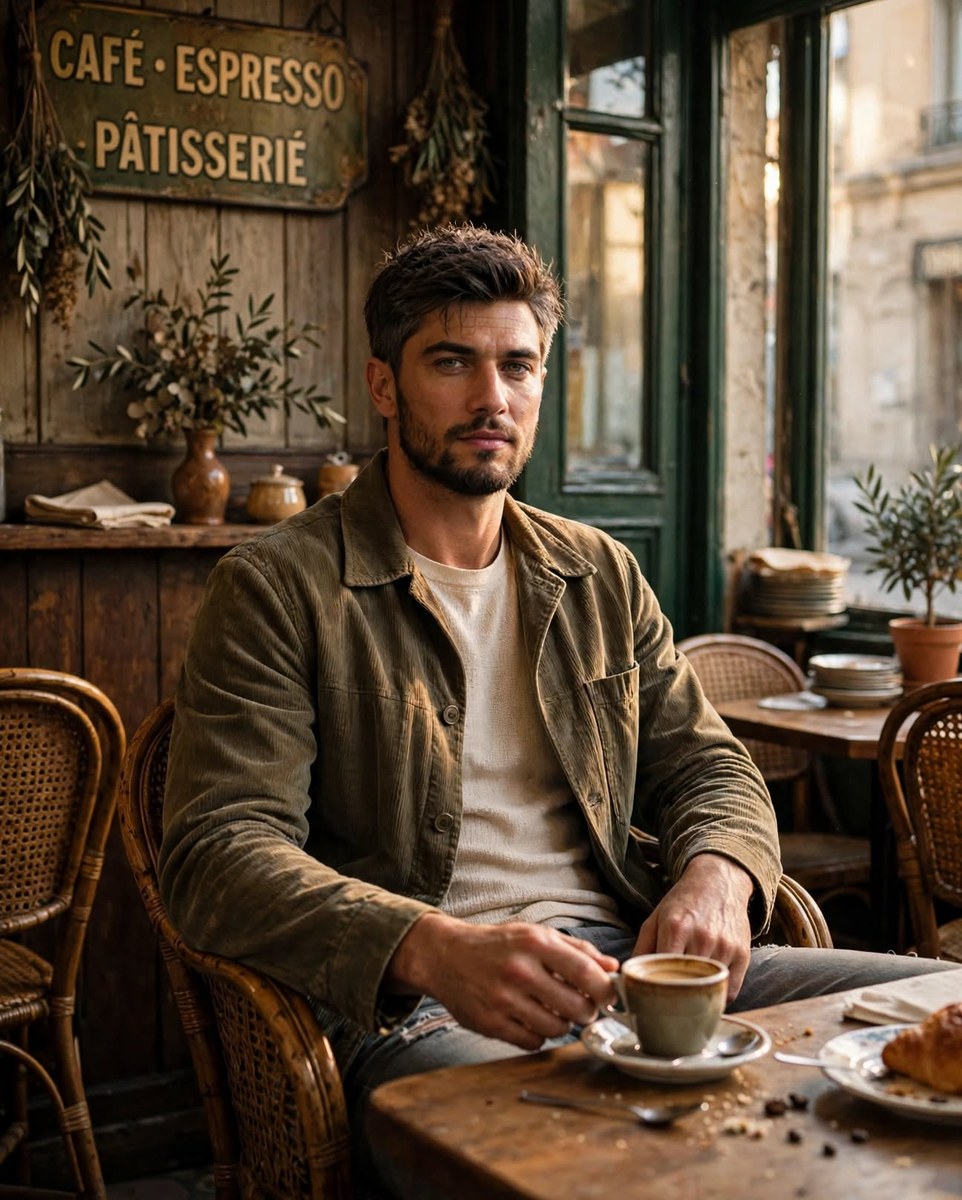
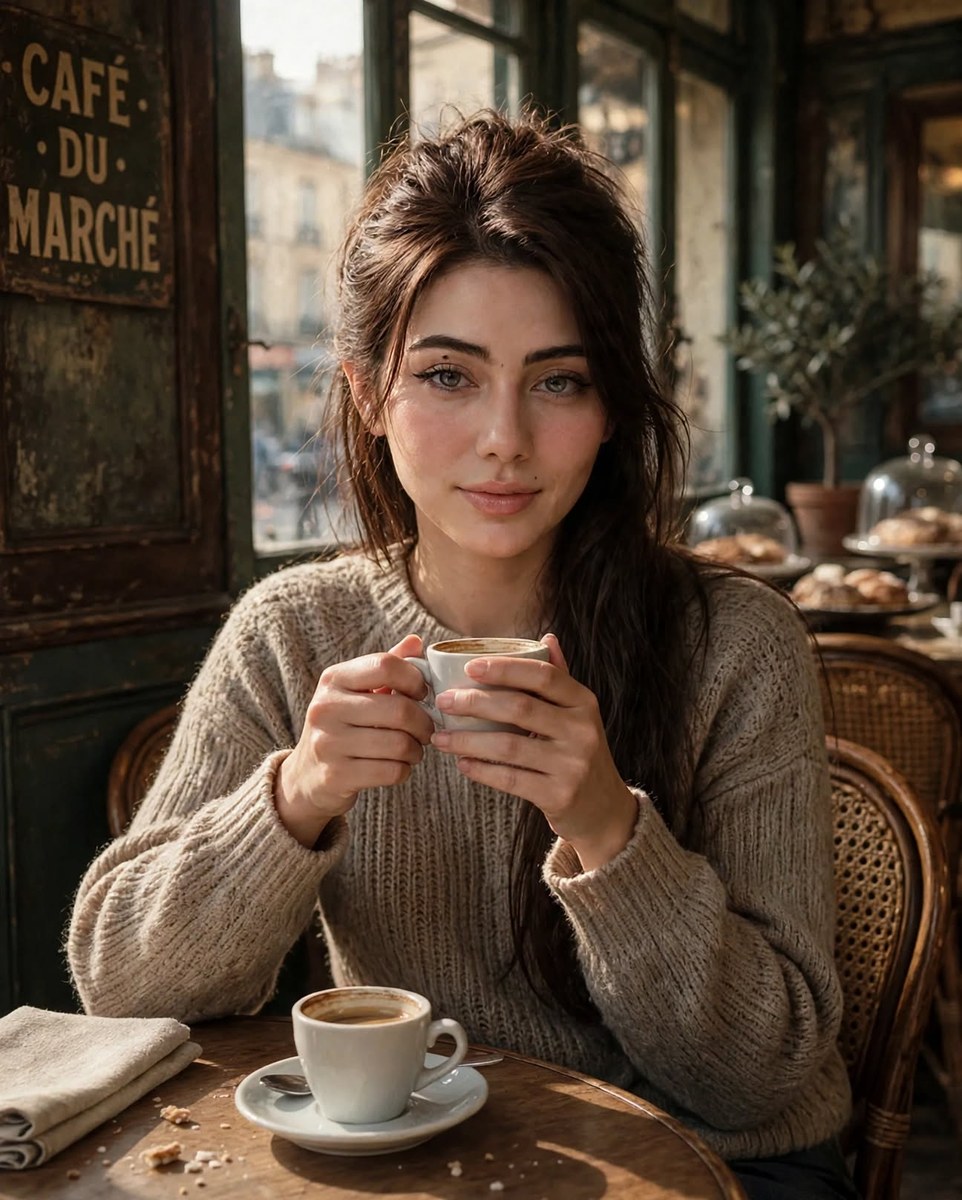
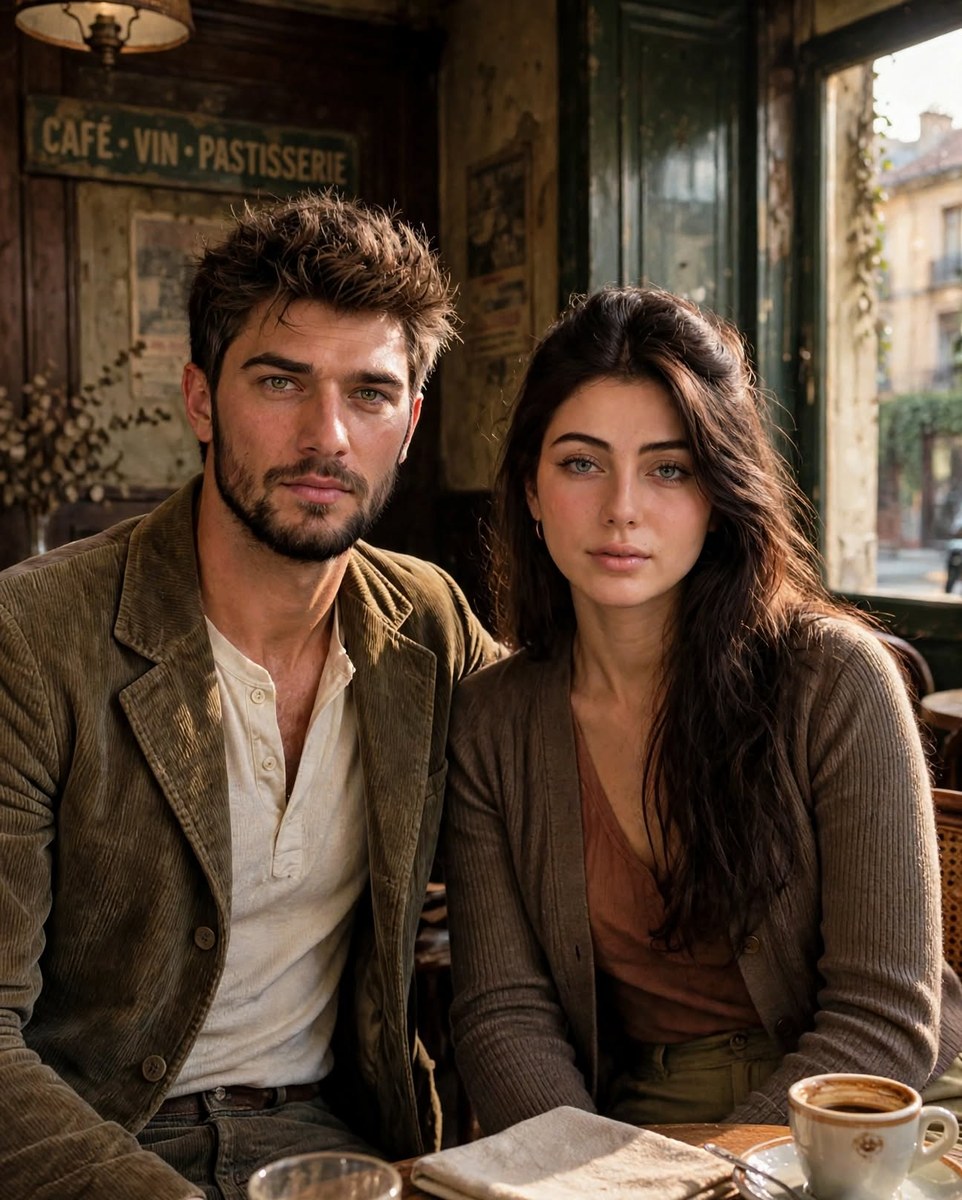
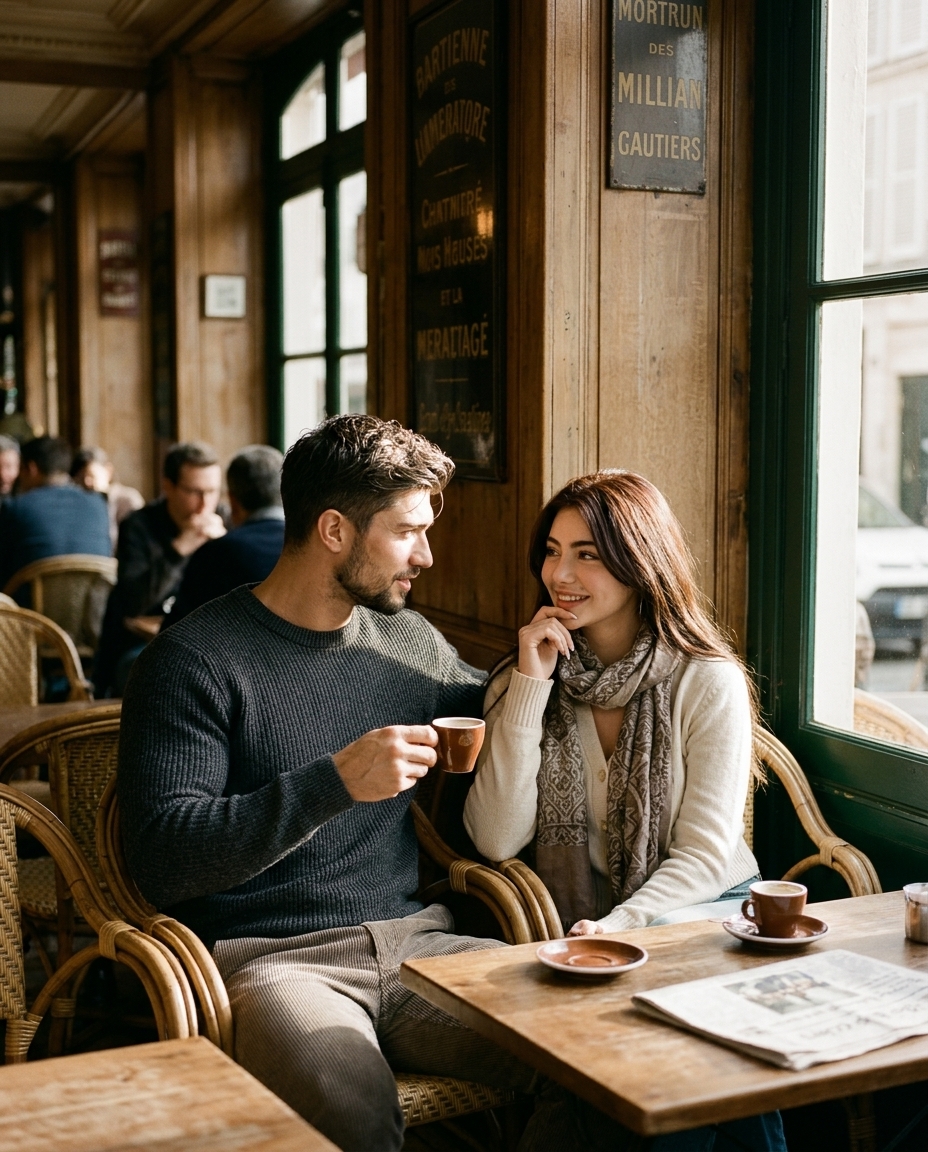
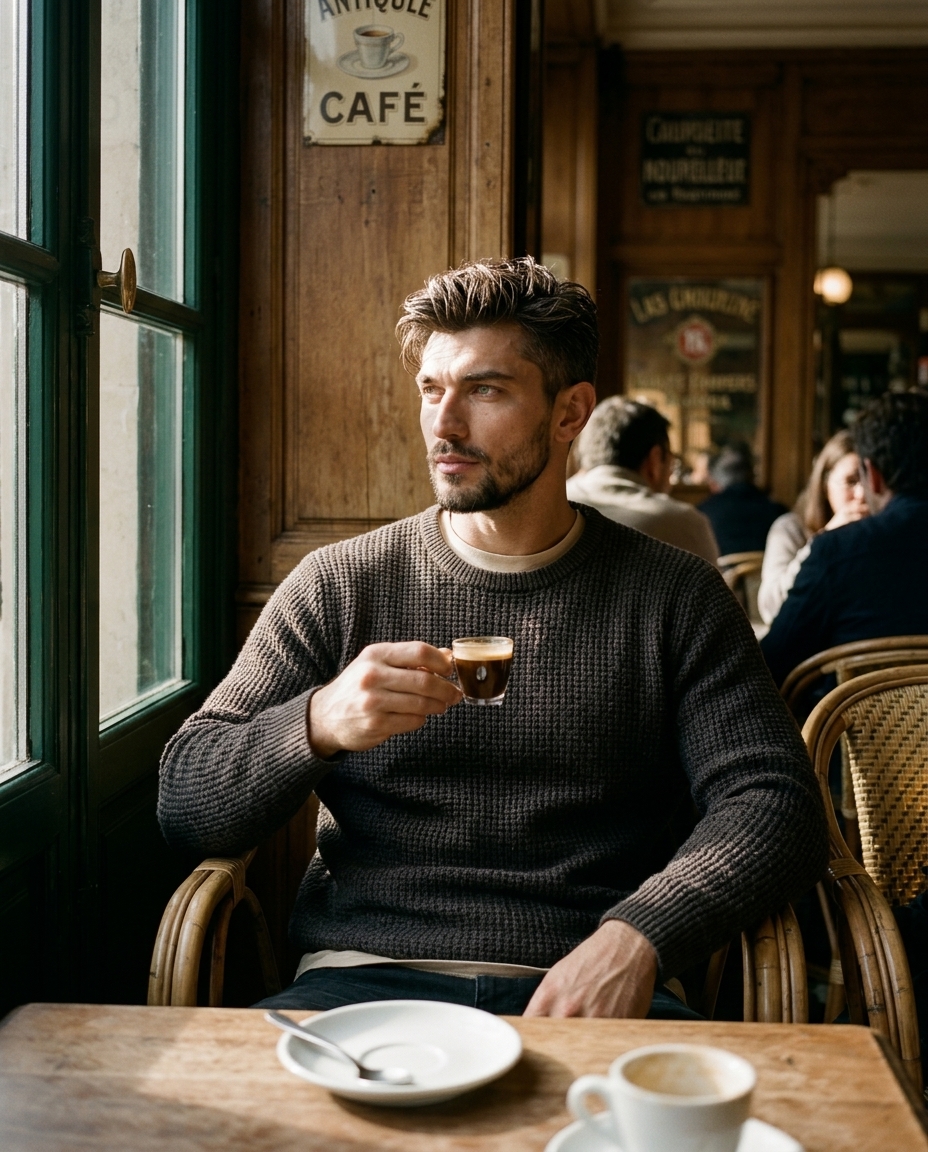
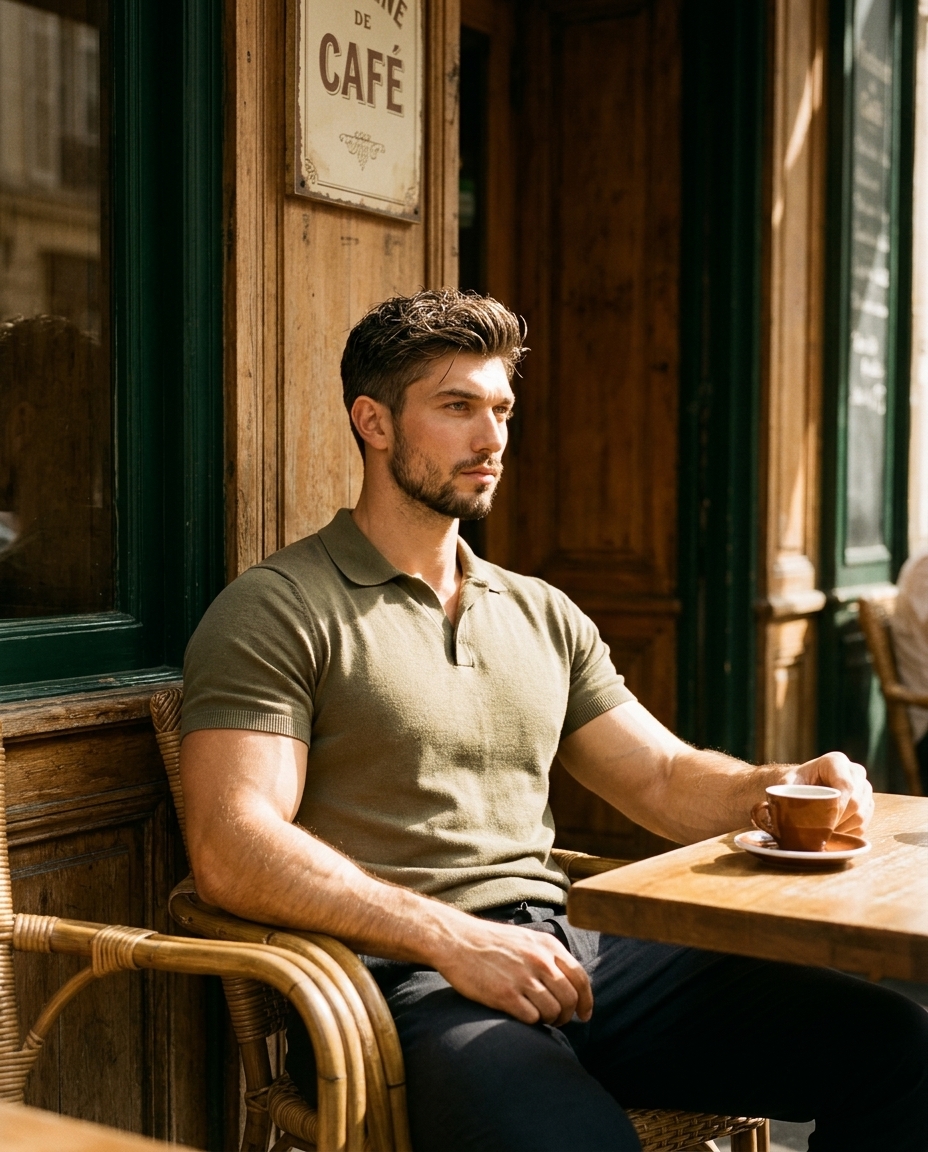
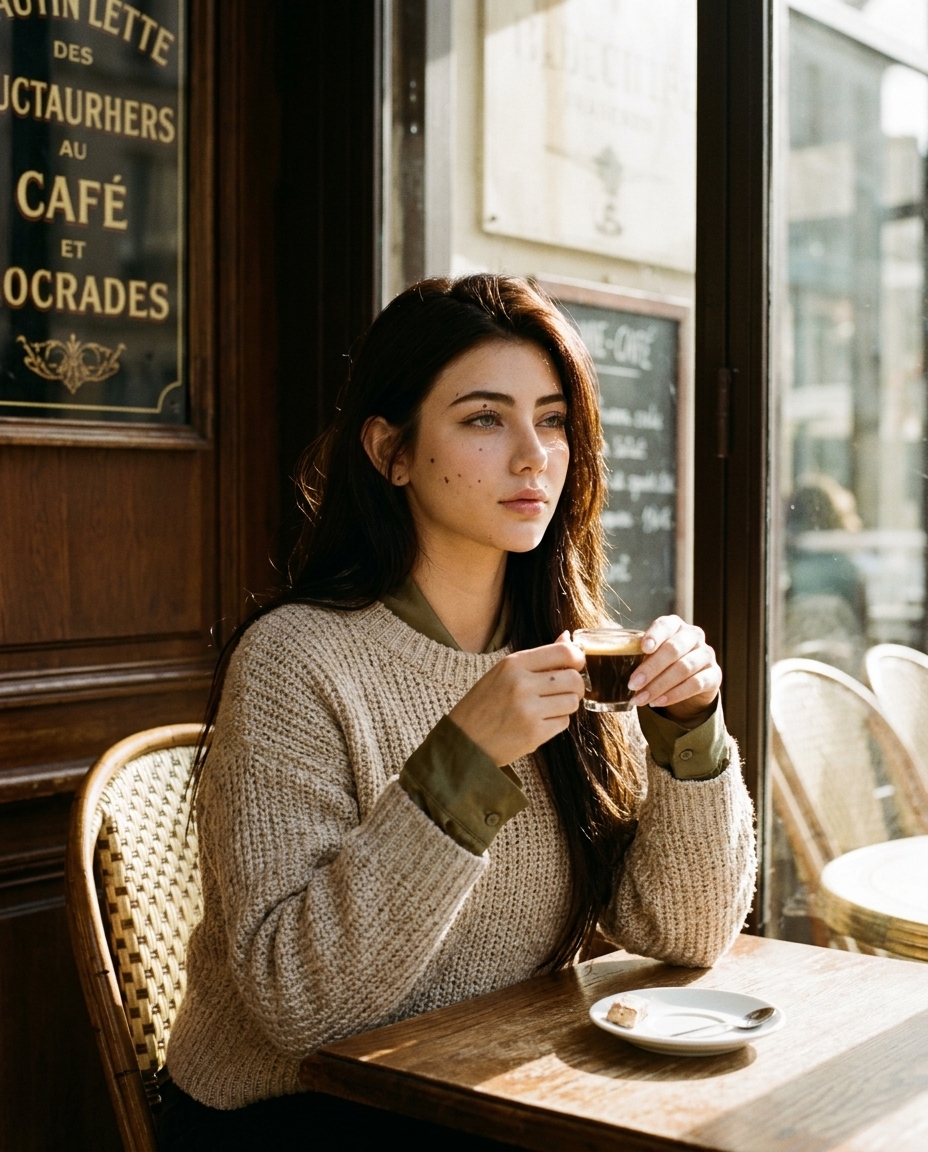
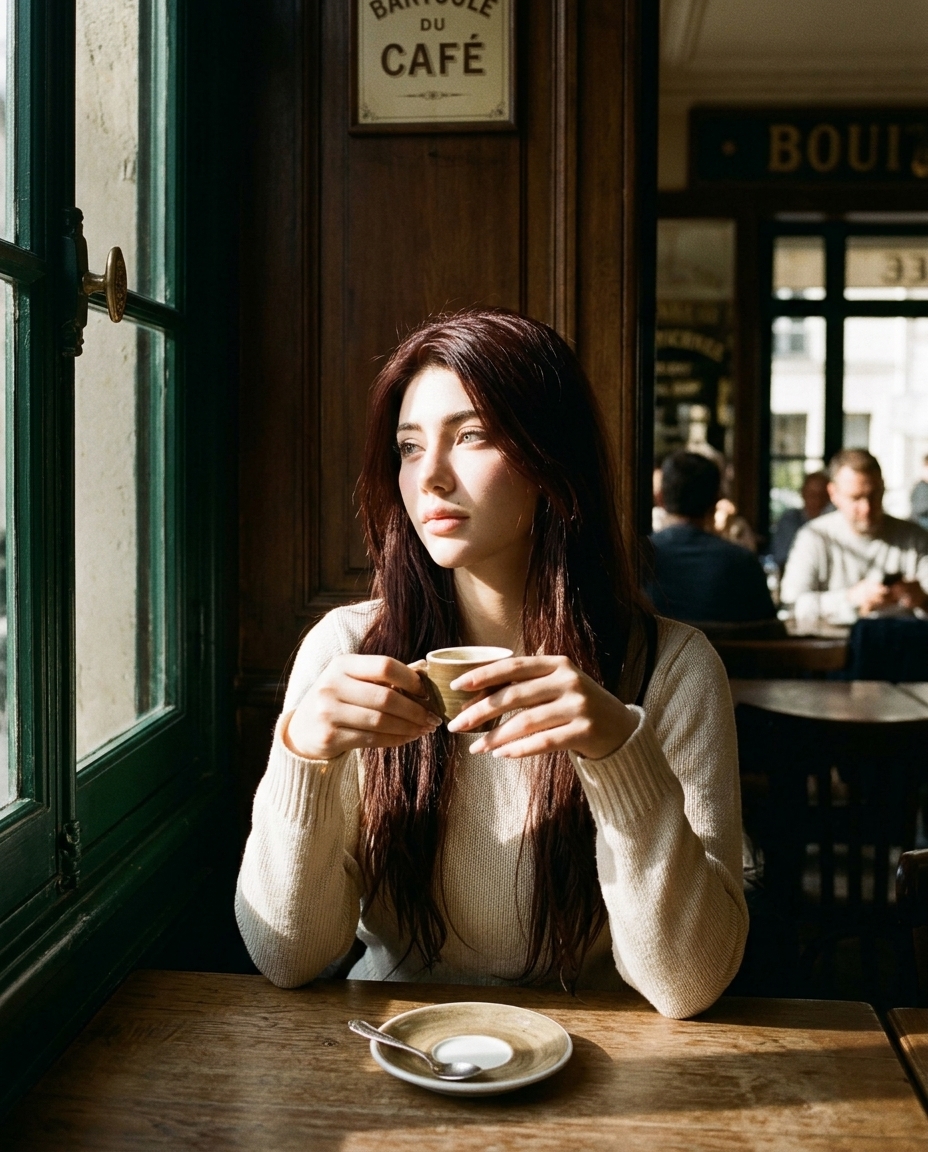
Prompt template
- Format
- Text
- Inputs
- Identity_reference_image (image) · Required
- Outputs
- Vintage_cafe_portrait (image)
Create an ultra-photorealistic vintage lifestyle photograph using the uploaded reference image as the identity reference.

IDENTITY & SUBJECT CONFIGURATION

The uploaded identity reference determines the number of subjects, gender presentation, and individual identities.

One male reference: create one male subject.

One female reference: create one female subject.

One androgynous or gender-neutral reference: preserve the person's original appearance and gender presentation.

Two-person couple reference: include both individuals in the same photograph, preserving both identities.

Never change, assume, or reinterpret anyone's gender. Never add, remove, duplicate, or merge subjects.

Preserve each person's exact facial identity, facial proportions, bone structure, eyes, nose, lips, skin tone, and recognizable physical characteristics. The generated subjects must remain clearly recognizable as the people in the reference.

The reference image is for identity only. Do not copy its original background, clothing, pose, or photographic composition.

SCENE & ENVIRONMENT

Place the subject(s) inside an intimate vintage European café with an aged wooden interior, dark green window frames, antique café signage, and natural rattan furniture.

Create a relaxed, candid café moment. The subject(s) are seated comfortably in rattan chairs, interacting naturally with small espresso cups. A wooden café table with cups and saucers is visible in the foreground.

For a single person, create a quiet, confident, contemplative moment.

For a couple, create a subtle and natural interaction between them, with relaxed body language and genuine expressions. They may exchange a glance or simply enjoy the moment together. Avoid exaggerated romantic posing.

WARDROBE

Choose sophisticated casual clothing that complements the café's earthy environment.

Use understated vintage-inspired pieces in muted neutrals, warm charcoal, faded brown, olive, cream, or other naturally harmonious tones.

For couples, coordinate the outfits through complementary colors and textures rather than matching identical clothing.

Adapt the wardrobe naturally to the subject's gender presentation and personal appearance.

Do not copy the clothing from the identity reference.

COMPOSITION & CAMERA

Vertical environmental portrait, framed from the head to approximately the knees or upper thighs. Keep enough surrounding café environment visible to establish the atmosphere.

For a single subject, use a balanced composition with the person as the clear focal point.

For a couple, arrange both people naturally within the frame, maintaining balanced visual weight and comfortable spacing.

Simulate a full-frame camera with a 50mm prime lens at approximately f/2.8–f/4. Use natural perspective, realistic proportions, and moderate depth of field.

The café background must remain recognizable rather than disappearing into excessive blur.

LIGHTING

Strong, warm directional afternoon sunlight enters through the café window, illuminating the subject(s) with beautiful natural highlights across the face, hair, hands, and clothing.

Keep the interior noticeably darker than the sunlit areas.

Preserve natural transitions between illuminated surfaces and shadow. Avoid flat, evenly distributed lighting.

COLOR GRADING & TONAL CHARACTER

Create a sophisticated vintage analog film appearance.

Use warm amber highlights, natural skin tones, earthy brown midtones, and restrained olive-green environmental tones.

Keep the overall palette rich, muted, and organic rather than heavily saturated.

SHADOWS & BLACK LEVELS — IMPORTANT

The darkest tonal areas must NOT become pure black.

Give the deepest shadows a subtle faded, colored appearance:

Deep shadows should retain a visible muted charcoal-brown or smoky espresso tone.

Allow subtle dusty taupe and olive undertones within darker areas.

Keep shadow areas slightly lifted, with visible tonal separation and preserved detail.

The darkest parts should look like aged photographic blacks, not digital black.

Concentrate this fading effect in the deepest shadows only.

Maintain rich midtones and clean highlights. Do not wash out the entire image or reduce contrast globally.

Avoid crushed blacks, neutral gray shadows, blue-gray shadows, excessive milky fading, and uniform brown color casts.

FINAL AESTHETIC

Authentic 1970s European café lifestyle photography, timeless editorial quality, natural human expressions, subtle film grain, delicate highlight halation, realistic skin texture, and refined analog color reproduction.

The result must look like a genuine photograph captured on film, not a digital illustration or an artificial AI-generated scene.

Vertical 4:5 aspect ratio.
What you'll create
One person or a couple from the reference appears in a newly staged café scene. Natural expressions, delicate halation and subtle grain evoke a 1970s film photograph with rich midtones and clean highlights.
Usage instructions
Provide a reference image that clearly shows the person or couple whose identity and number of subjects should be preserved; the scene, clothing, pose, and composition will be newly created. The reference image determines gender presentation, so do not use it to imply anything beyond what it visibly establishes. Keep the café background recognizable and apply the faded tonal treatment only to the deepest shadows, preserving rich midtones and clean highlights.
Frequently asked questions
Does a solo reference become a couple?
No. The number of subjects is preserved.
Should the entire image be washed out?
No. Faded treatment is confined to the deepest shadows rather than reducing contrast globally.




Comments
Tried this prompt? Share what you made, compare results, or ask a question