Person Transformed into an Original Futuristic Warrior
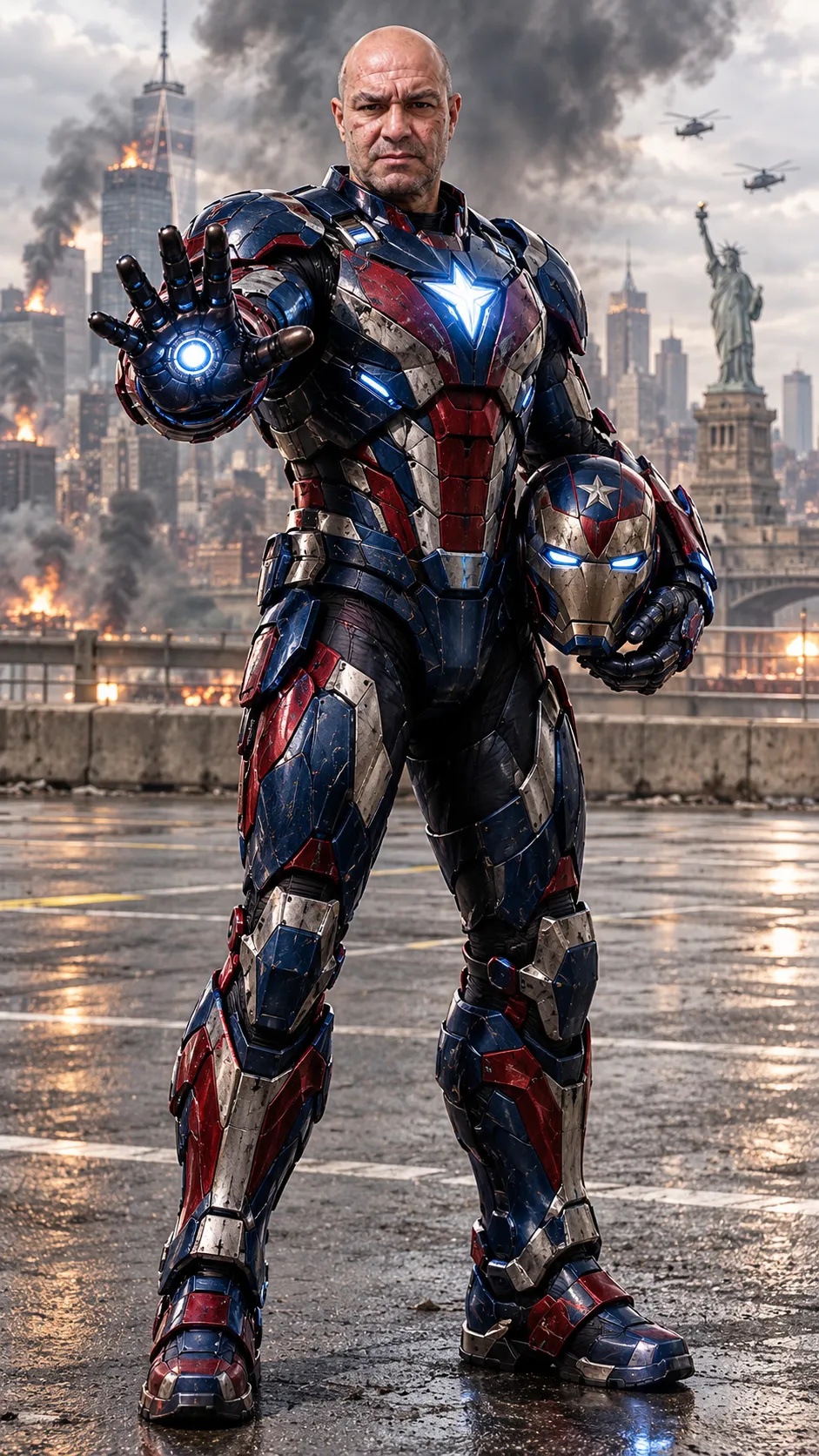
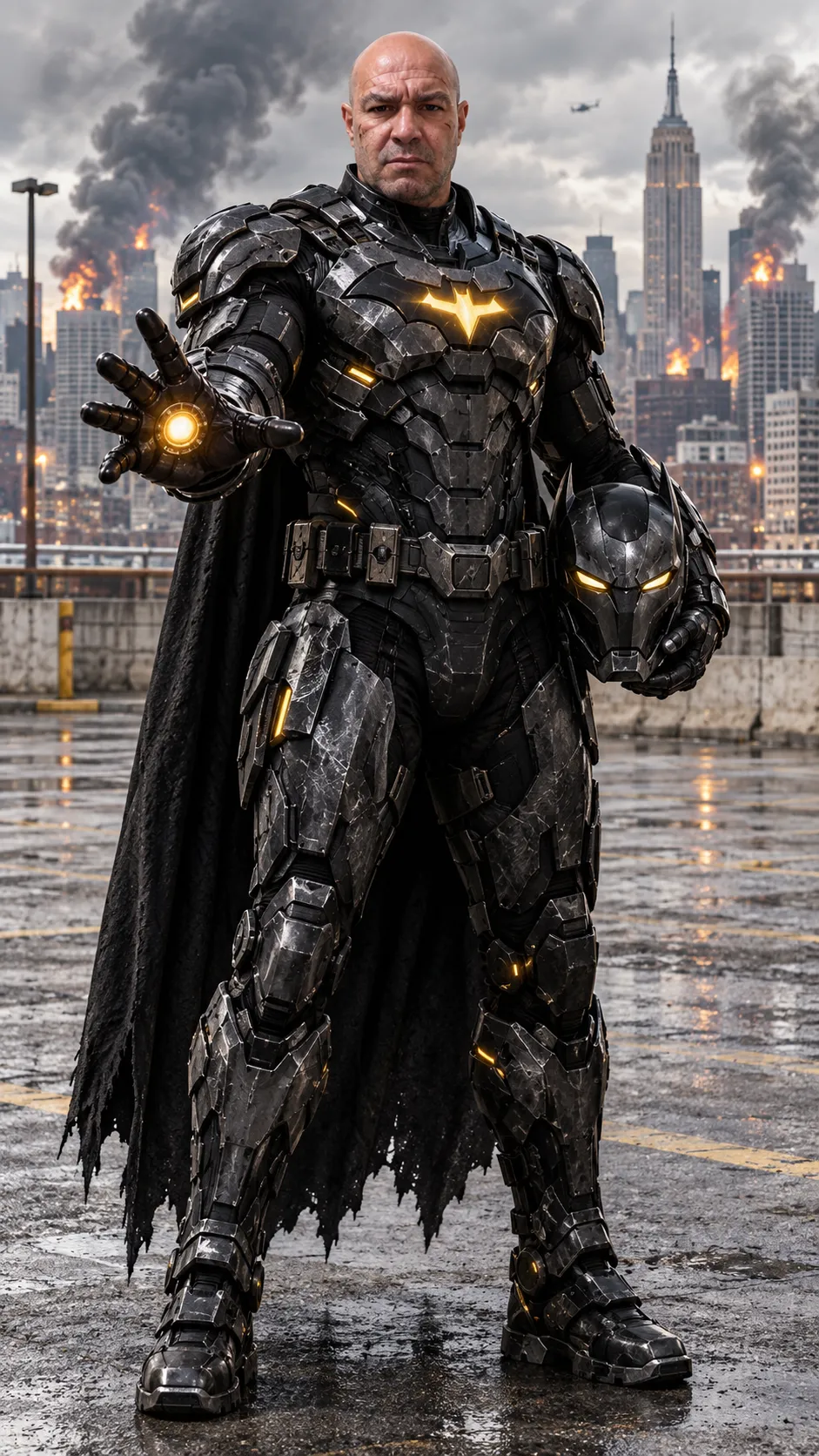
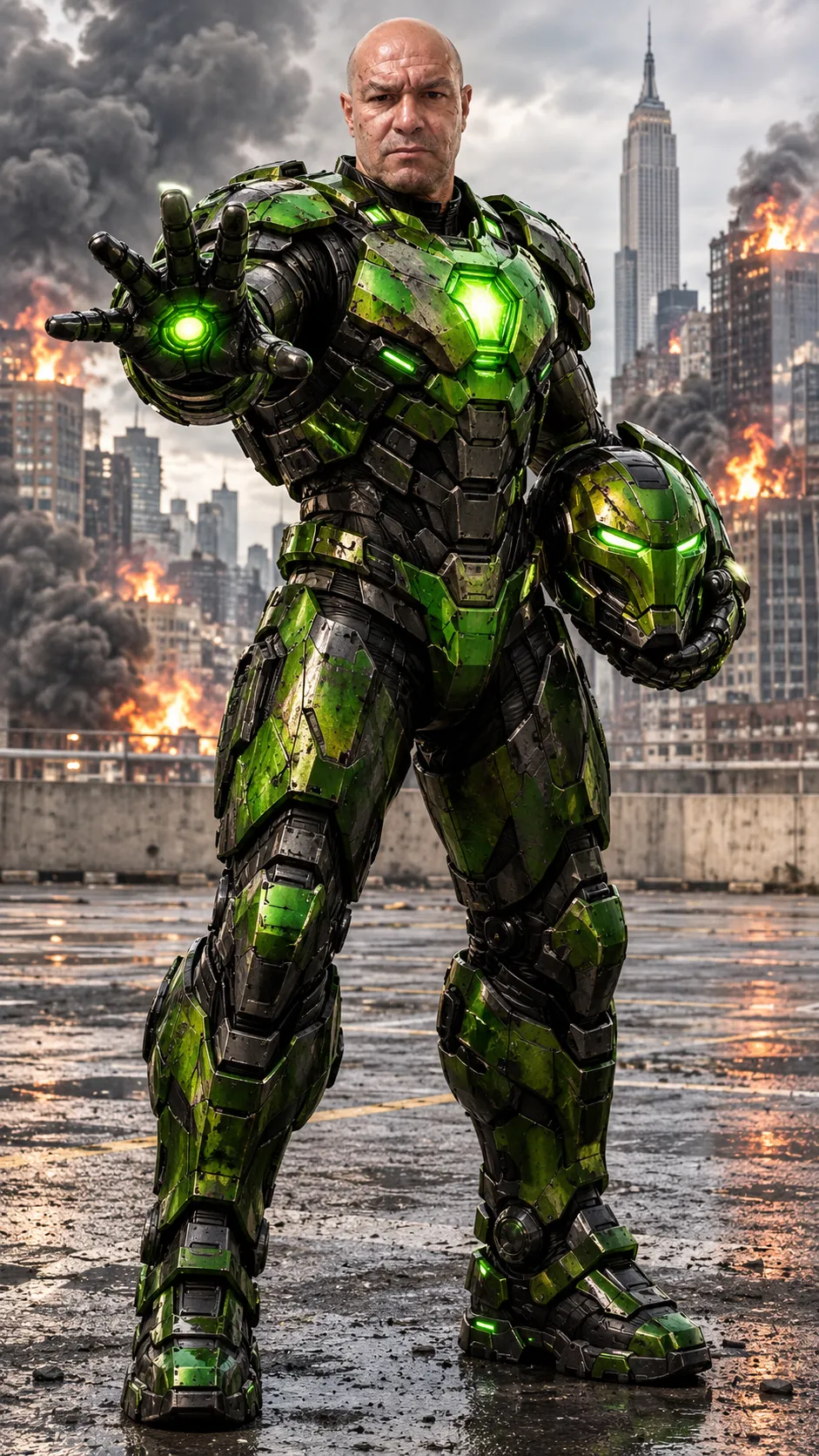
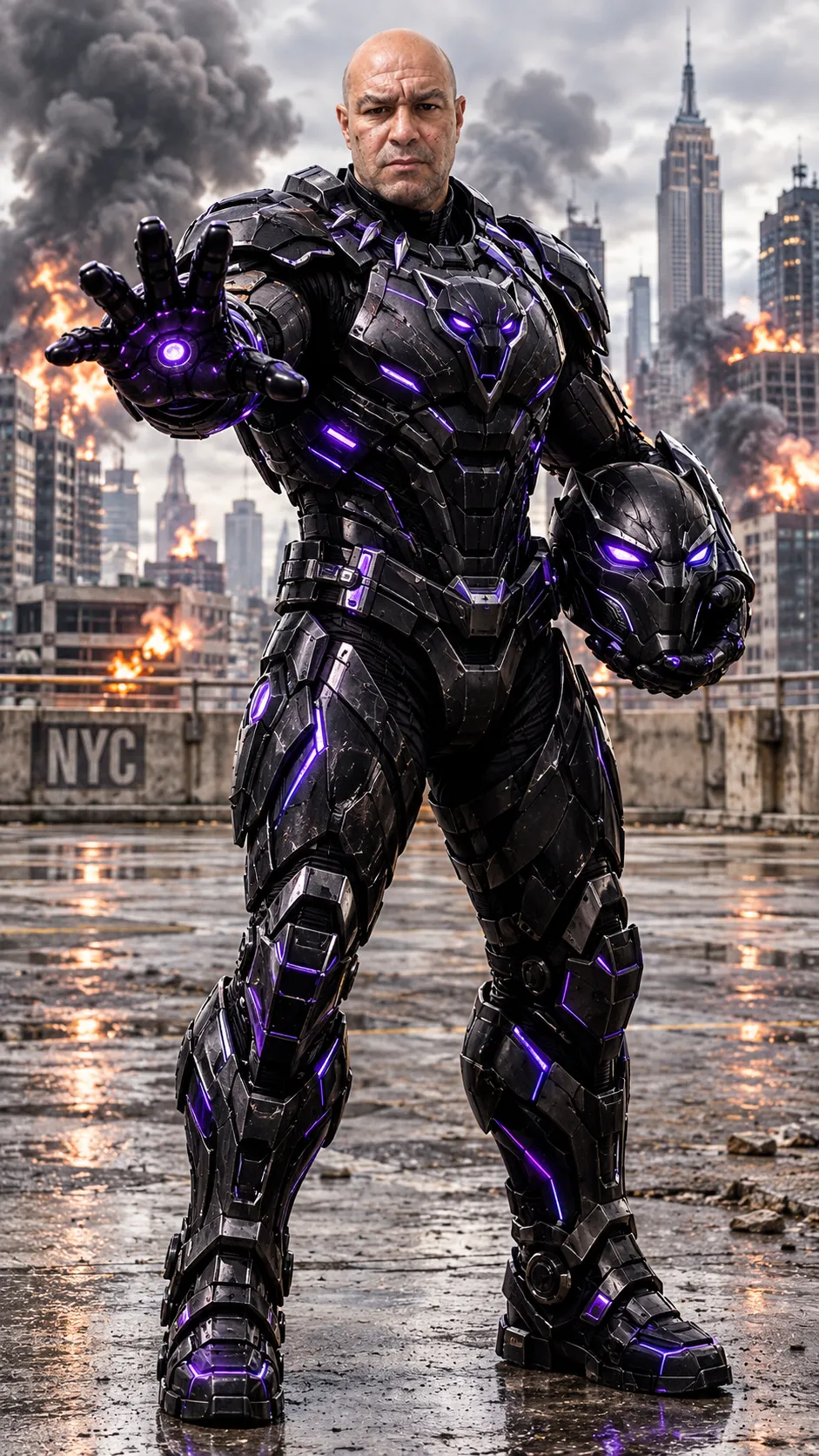
Create a photorealistic, full-body cinematic portrait of a person in original themed combat armor, with a helmet, in a disaster-struck New York setting.
Example outputs
Prompt template
- Format
- Text Parameterized
- Inputs
- Reference_photo (image) · Required armor_theme (text) · Required
- Outputs
- Generated_image (image)
Transform the person in the uploaded photograph into a hyper-realistic, cinematic technological warrior wearing completely original futuristic combat armor. Use the photograph as the primary visual reference.

## 1. Preserve facial identity

Preserve the photographed person's visual identity as faithfully as possible. Keep their facial features, face shape, bone structure, eyes, nose, mouth, jaw, and natural proportions. Do not change their apparent age, gender, or individual characteristics. Keep the face fully visible, without a helmet, mask, or anything else that hides the features.

Add dust, small superficial scars, and subtle battle marks without changing the person's facial identity. Give them a serious, focused, determined expression that conveys confidence and heroism. The original photograph must remain the primary reference for the person's appearance. Do not replace their face with a generic face or with features of a known character.

## 2. Develop the armor

Create a complete technological combat armor suit covering the body from the neck to the feet. Give it original visual engineering and the appearance of advanced military technology.

Central armor theme: ${armor-theme}

Make the chosen theme the primary inspiration for the armor's entire visual identity. It should influence:
- The design and geometry of the panels.
- All primary and secondary colors, including accent colors.
- Material patterns, textures, and finishes.
- The shapes of the protective plates.
- Joints, connection mechanisms, and hydraulic systems.
- Ornamentation and distinctive technological components.
- The shape, lighting, and structure of the central reactor.

Do not remove the theme's characteristic colors. Use a cohesive palette that integrates consistently throughout the armor. Include an energy reactor on the chest with a unique geometric form directly inspired by the chosen theme.

Make the equipment look functional, mechanically plausible, and complex. Include layered metal plates, articulated mechanisms, reinforced joints, small circuits, ventilation systems, and meticulously constructed technological components. Add scratches, small dents, dust, and signs of use to the metal surfaces. The result should look like physical combat equipment that could exist in a cinematic science-fiction universe.

If the photographed person is female, respect natural anatomical proportions. Make the armor elegant, functional, and proportionate, without exaggeration or sexualization.

## 3. Helmet

Leave the character's head uncovered. They must hold the matching helmet in one hand near the waist, with its front clearly visible to the camera. Create an original helmet that follows the armor's visual language, materials, colors, and geometry. Do not use recognizable helmets from existing franchises, films, games, or characters.

## 4. Pose and body position

Use a natural, dynamic cinematic pose. The character stands in a relaxed but alert posture. One hand is directed toward the camera with the palm open, as if about to activate an energy emitter integrated into the armored hand. The other hand holds the helmet near the waist, showing its front. Keep the arms anatomically and mechanically coherent. Orient the body slightly toward the camera to convey presence and confidence.

The pose should suggest the protagonist of an action and science-fiction film without looking artificial or excessively rigid.

## 5. Setting and environment

Set the scene in a large, empty outdoor parking lot in New York. There must be no other people near the character. In the background, show signs of a major catastrophe in the city: distant explosions, fires in some buildings, and columns of dark smoke rising between buildings. Keep these events in the background so they do not compete visually with the character.

Use natural, cinematic lighting, without exaggerated wind effects, excessive particles, or artificial glows. The atmosphere should feel like a real scene from a futuristic action film, photographed in a city experiencing an emergency.

## 6. Art direction and visual quality

- Photographic hyper-realism.
- The appearance of a frame from a big-budget cinematic production.
- Extremely detailed mechanical engineering.
- Metal materials with physically plausible reflections.
- Natural skin texture, pores, and small imperfections.
- Natural, uneven skin tone without an artificial skin effect.
- Balanced cinematic lighting.
- Realistic depth of field.
- Natural contrast between the character and the setting.
- Extremely sharp focus on the character.
- Shadows and reflections consistent with the environment.
- Realistic integration of the photographed person and the armor.

Originality is mandatory: develop the entire armor, helmet, reactor, mechanisms, symbols, and visual elements as independent creations. Do not reproduce designs, silhouettes, logos, distinctive elements, or recognizable visual combinations from existing characters, franchises, or intellectual properties. Inspiration must be conceptual and thematic, never a reproduction of a specific work.

## 7. Framing and format

Full-body framing is mandatory. Show the character from the head to the tips of both shoes. Do not crop any part of the body or armor. Keep both feet completely visible. Keep both the hand holding the helmet and the open-palm hand fully inside the image. Leave a safety margin below the feet. Do not use portrait, half-body, or American-shot framing.

Use a vertical 9:16 aspect ratio and the highest available resolution, with detail equivalent to 8K quality.

Highest priorities: preserve the facial identity in the original photograph, create entirely original themed armor, and show the character full-body down to the tips of the shoes.
Replace the ${…} placeholders with your values
before using this prompt. See parameters
and defaults below
Parameters
Replace each placeholder with your own value, or use its default when one is provided
${armor-theme}
armor-theme
Required
What you'll create
A recognizable person stands full-length in newly designed technological armor. Dust and minor battle marks add realism while the open face and complete shoes preserve the human identity within the cinematic costume.
Frequently asked questions
May a helmet hide the face?
No; helmets, masks and other facial obstructions are excluded.




Comments
Tried this prompt? Share what you made, compare results, or ask a question