Animal-Shaped Photographic Collage Poster
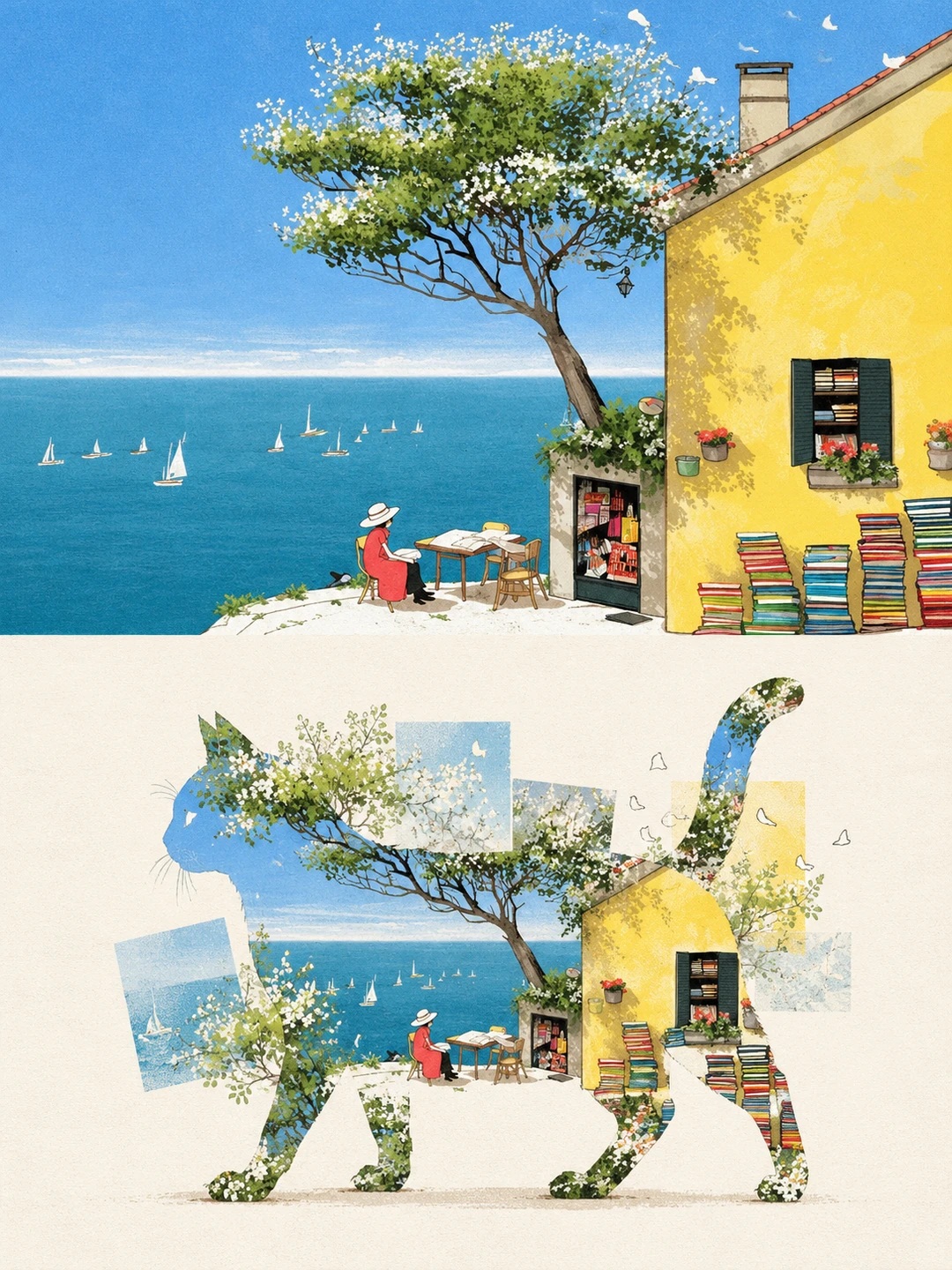
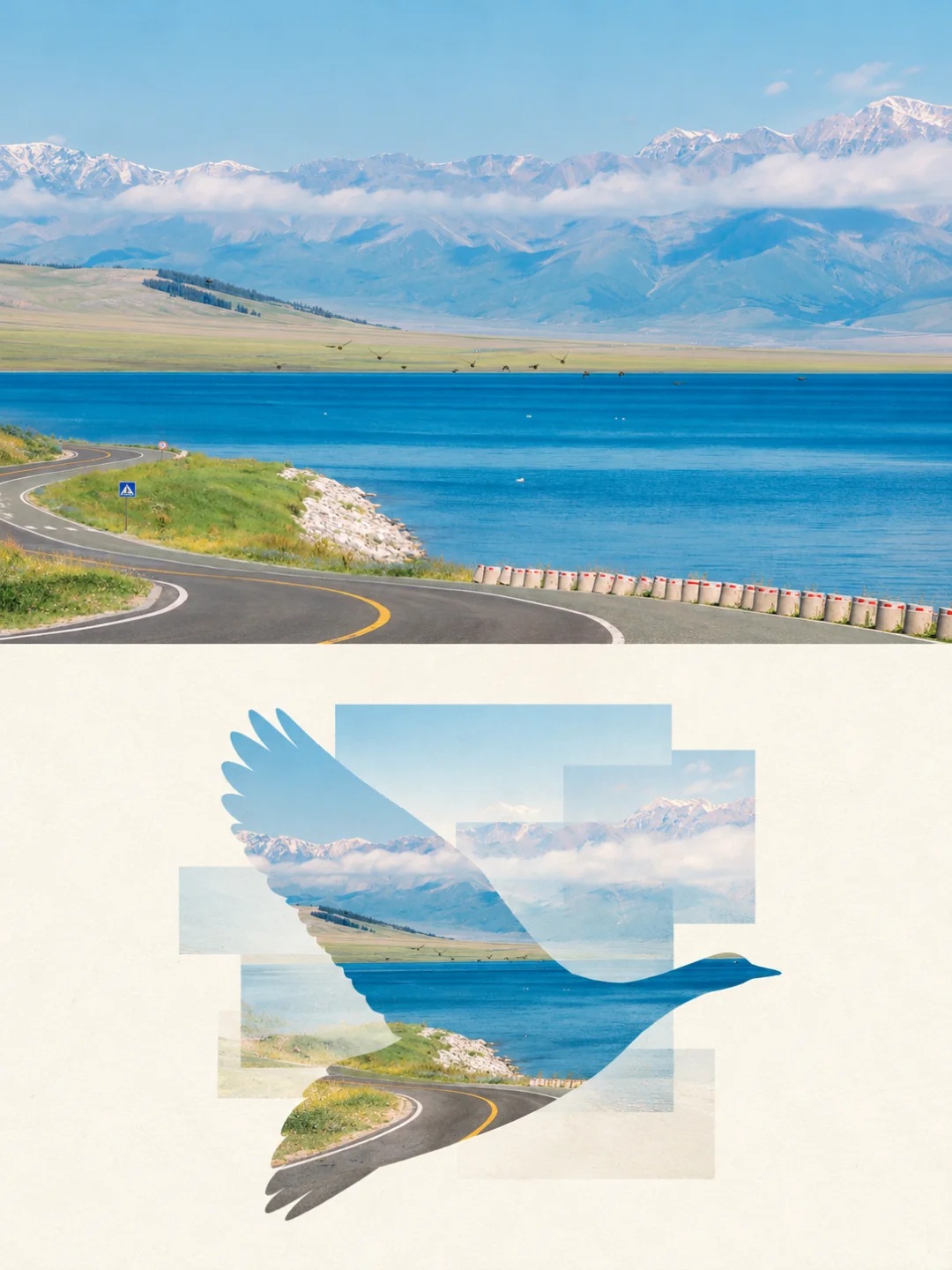
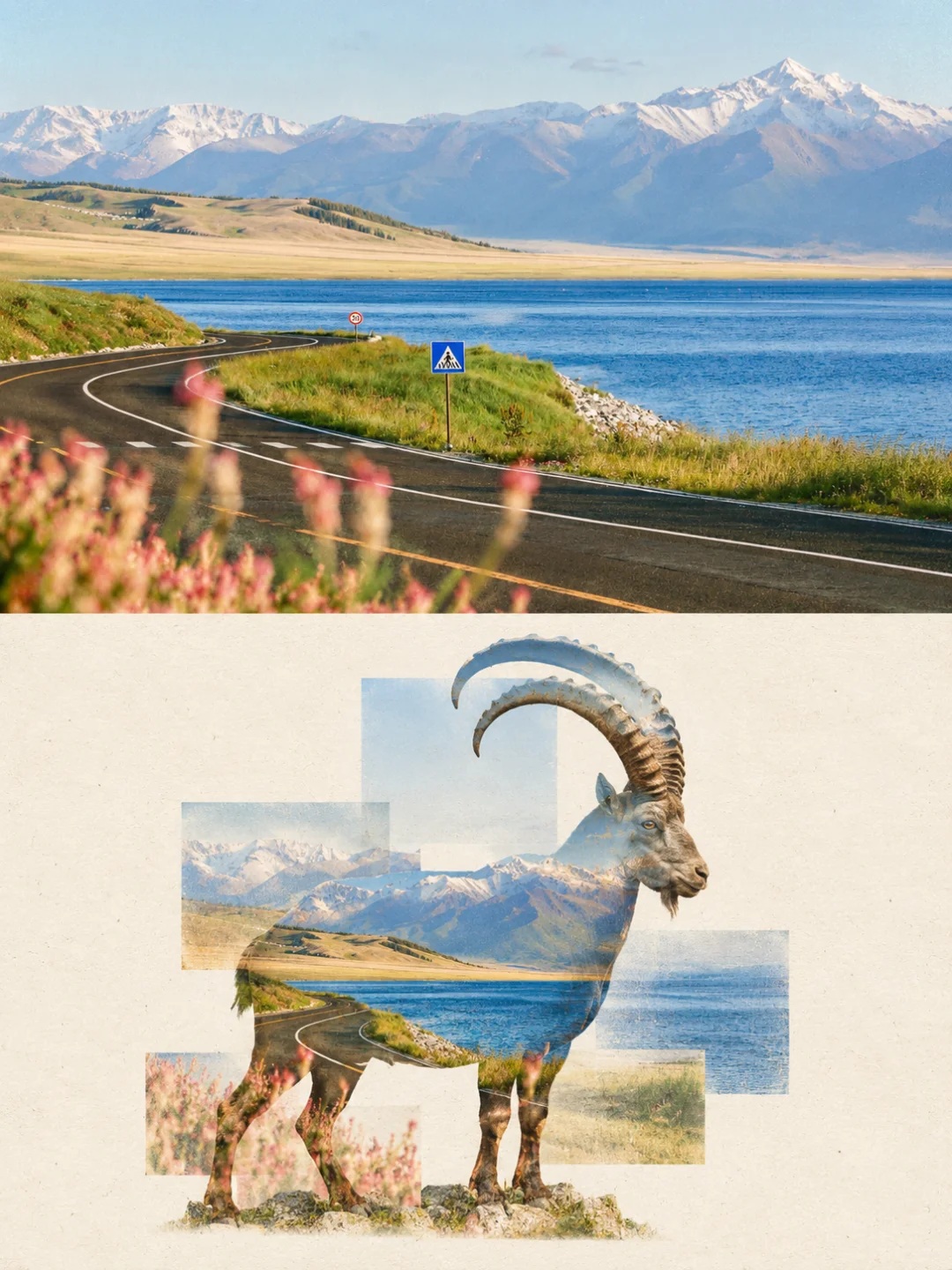
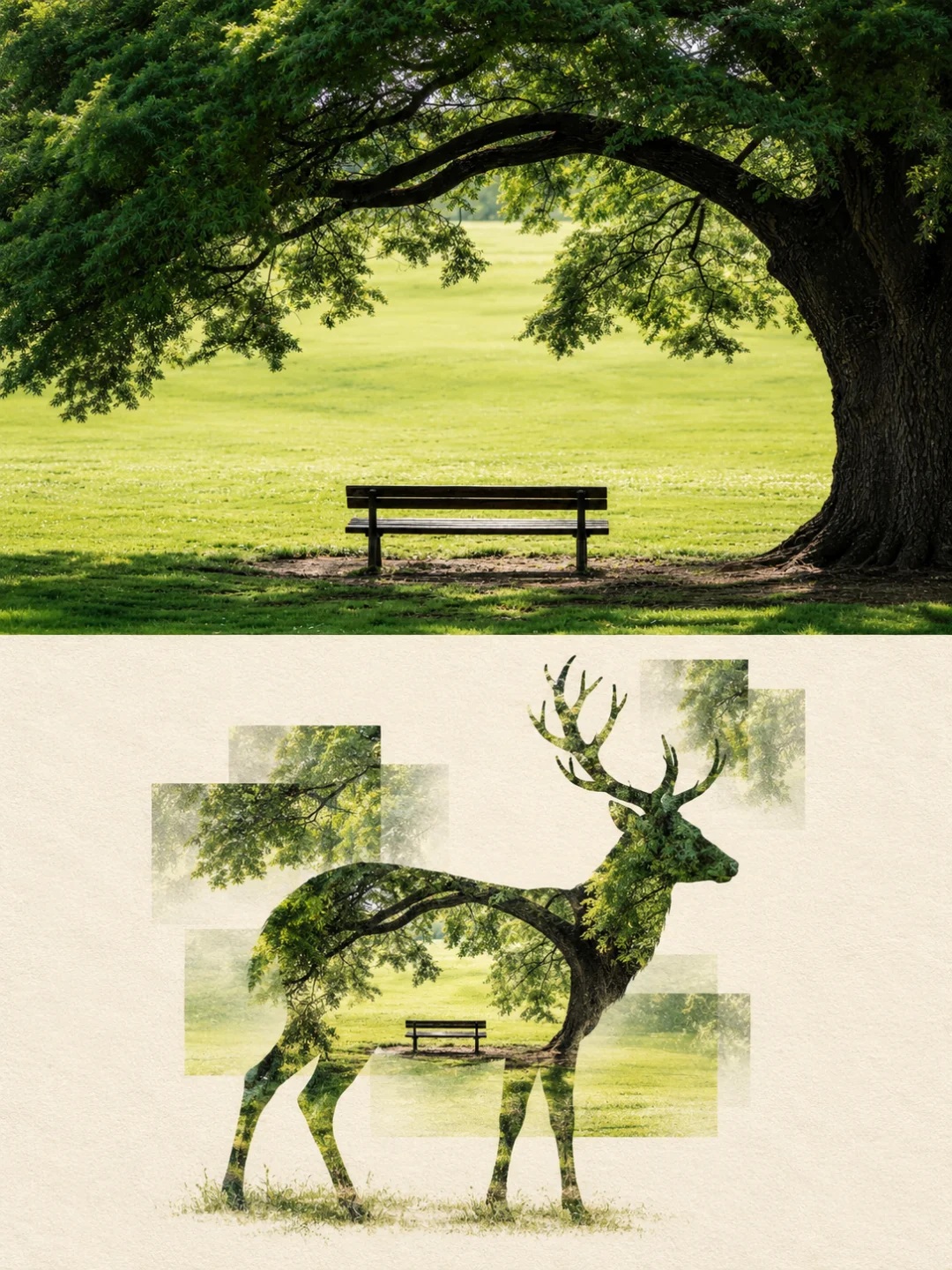
Transform a source photo into a restrained 3:4 poster that pairs the preserved photograph with an animal form derived from its visual features.
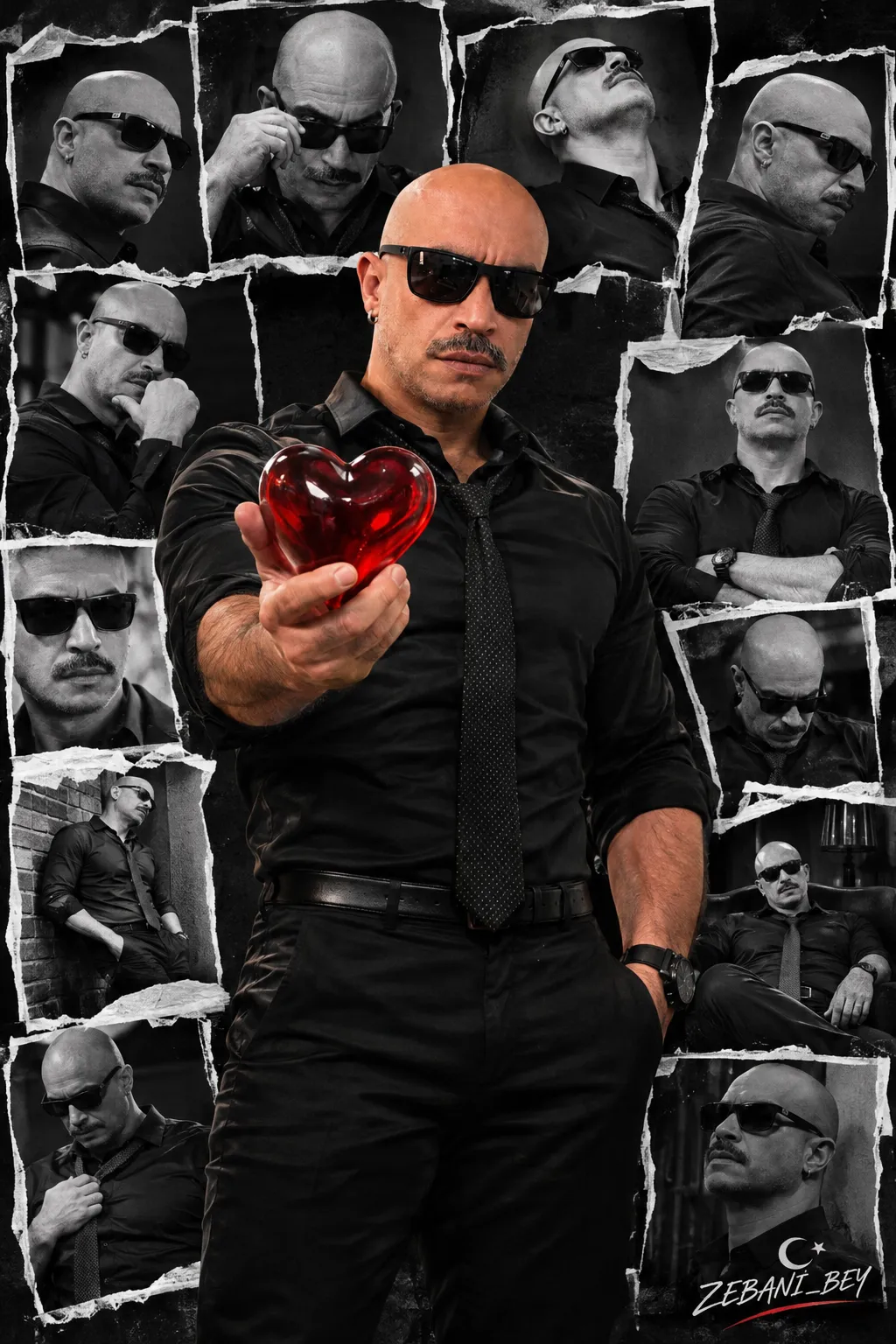
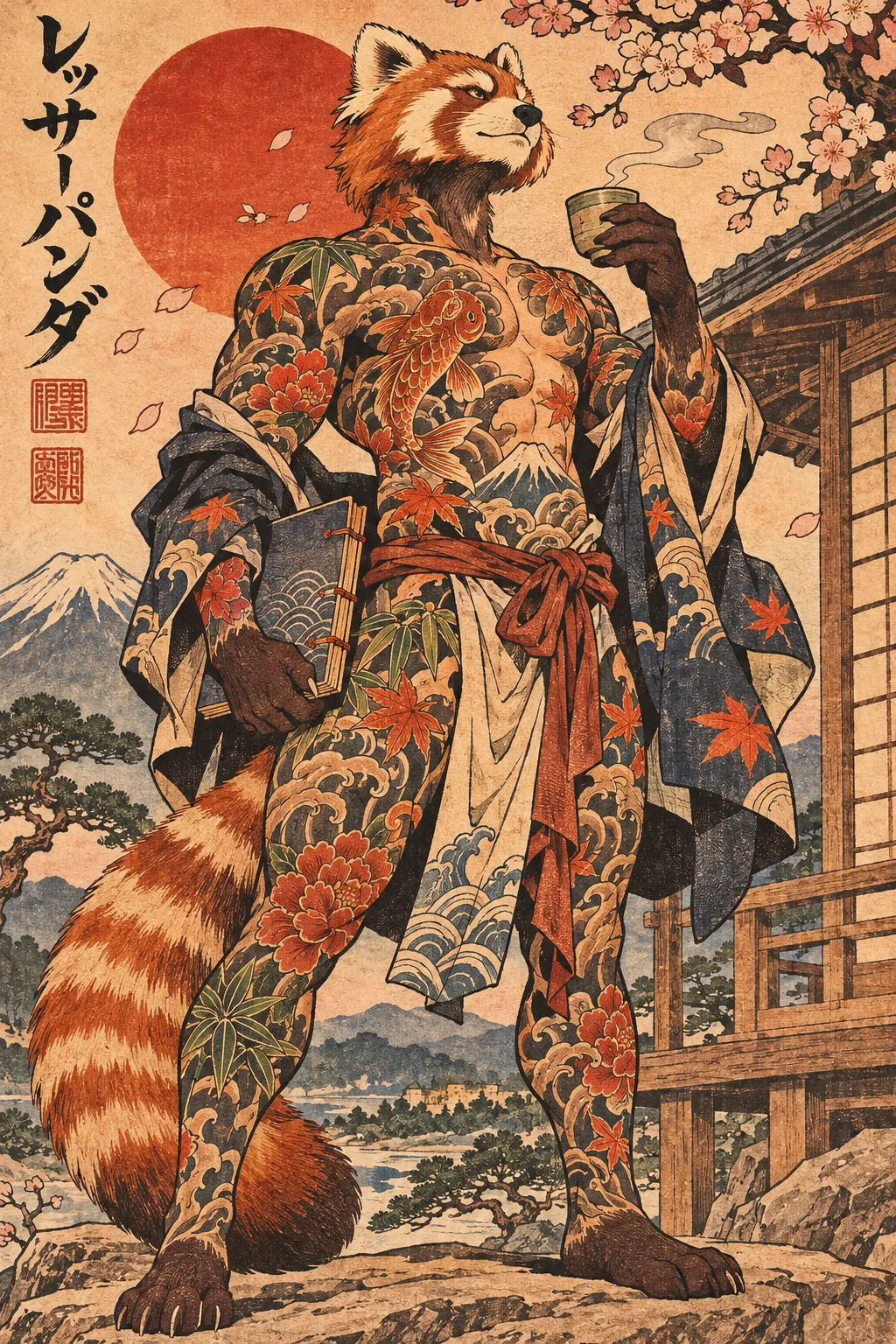
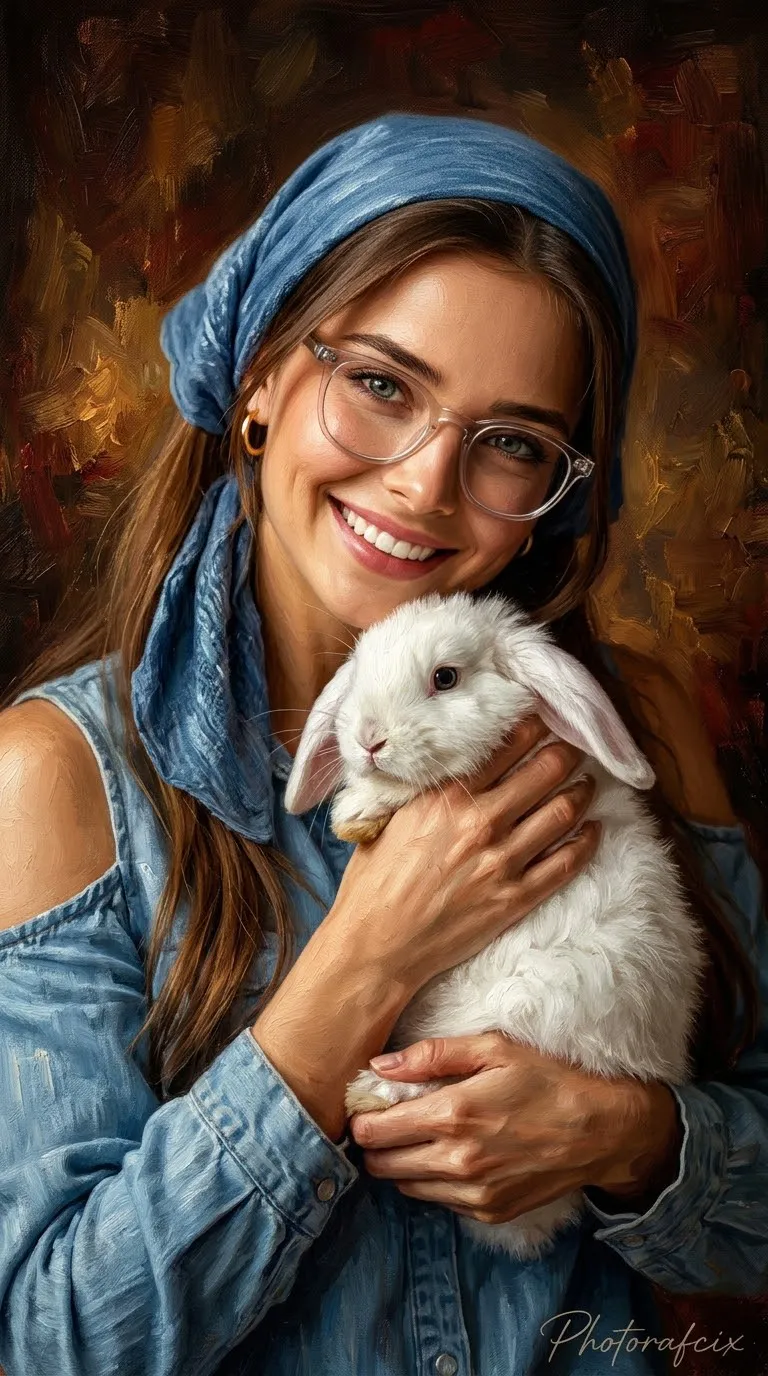
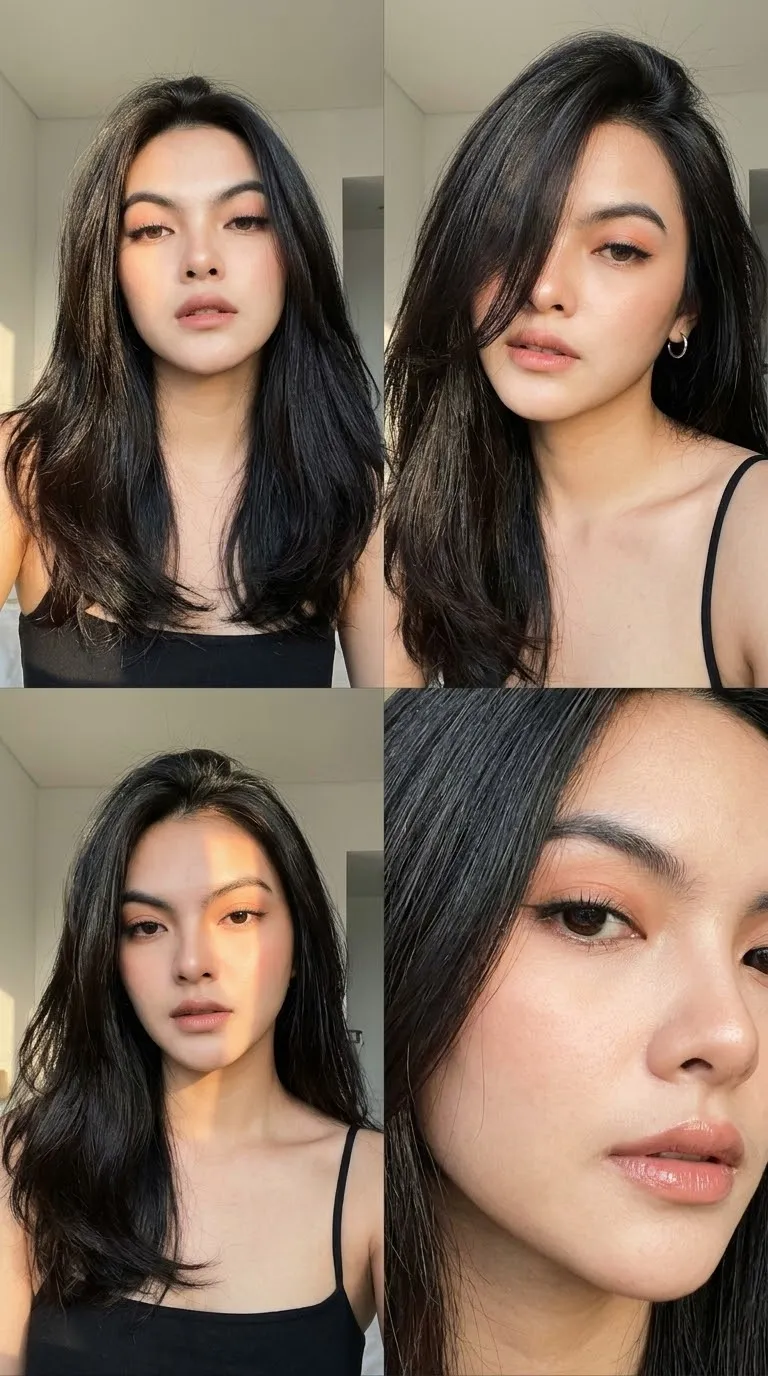
Example outputs
Prompt template
- Format
- Text
- Inputs
- Source_photo (image) · Required
- Outputs
- Poster (image)
Using the uploaded photo as the sole source of content, create a 3:4 vertical art poster combining original photography with a graphic photographic translation. Divide the canvas into two equal horizontal sections, each occupying exactly 50% of the image, and make the transition between them natural and clean. Include no text, title, logo, watermark, or border.

In the upper half, preserve the original photograph in full: keep the subject, number of subjects, composition, lighting, colors, materials, perspective, and spatial relationships unchanged. Apply only subtle, refined editorial color grading and fine film grain. You may naturally crop or extend the environment to fit the horizontal division, but do not add, remove, move, duplicate, or distort any elements.

In the lower half, use a warm ivory art-paper background with generous negative space. Based on the most recognizable structure, natural textures, mood, and spatial relationships in the source image, derive the animal that best fits the scene; do not default to a predetermined animal. The new outline must be immediately recognizable and have complete, clear structural logic, but must not be a solid-color silhouette, ordinary icon, or hard-edged photo mask.

Let textures, light, and local elements from the original photo flow naturally within the animal outline. Extend 4–6 translucent photographic fragments beyond the main form. Use offsets, stepped edges, layered frames, partial fades, and slight misregistration so the photograph appears to flow naturally out of the outline. The animal should occupy approximately 48%–55% of the lower section's width and 55%–62% of its height, centered or slightly off-center, with ample warm-white space around it.

Keep the overall mood restrained, quiet, and modern, combining graphic design, photographic collage, and visual translation. Retain subtle paper fibers, film grain, and a printed quality. Use only colors drawn from the source image's dominant palette.

Avoid defaulting to animals such as birds or deer; animals unrelated to the source photo; ordinary black silhouettes; realistic illustration; hard-edged photo masks; heavy borders; 3D; gradients; cartoons; cluttered collage; complex backgrounds; text; logos; watermarks; and garbled text.
What you'll create
Two equal horizontal sections pair original photographic relationships with a simplified graphic-photographic counterpart. Clean spacing and source-only content create a refined vertical art composition.
Frequently asked questions
Can unrelated photos supply extra content?
No. The uploaded photo is the sole content source.
Are titles or borders included?
No. Text, logos, watermarks and borders are excluded.



Comments
Tried this prompt? Share what you made, compare results, or ask a question