Editorial Photo and Handmade Illustration Poster
Create a refined 3:4 editorial poster for each uploaded photo, pairing an authentic photograph with a minimal handmade paper illustration derived from it.
Example outputs
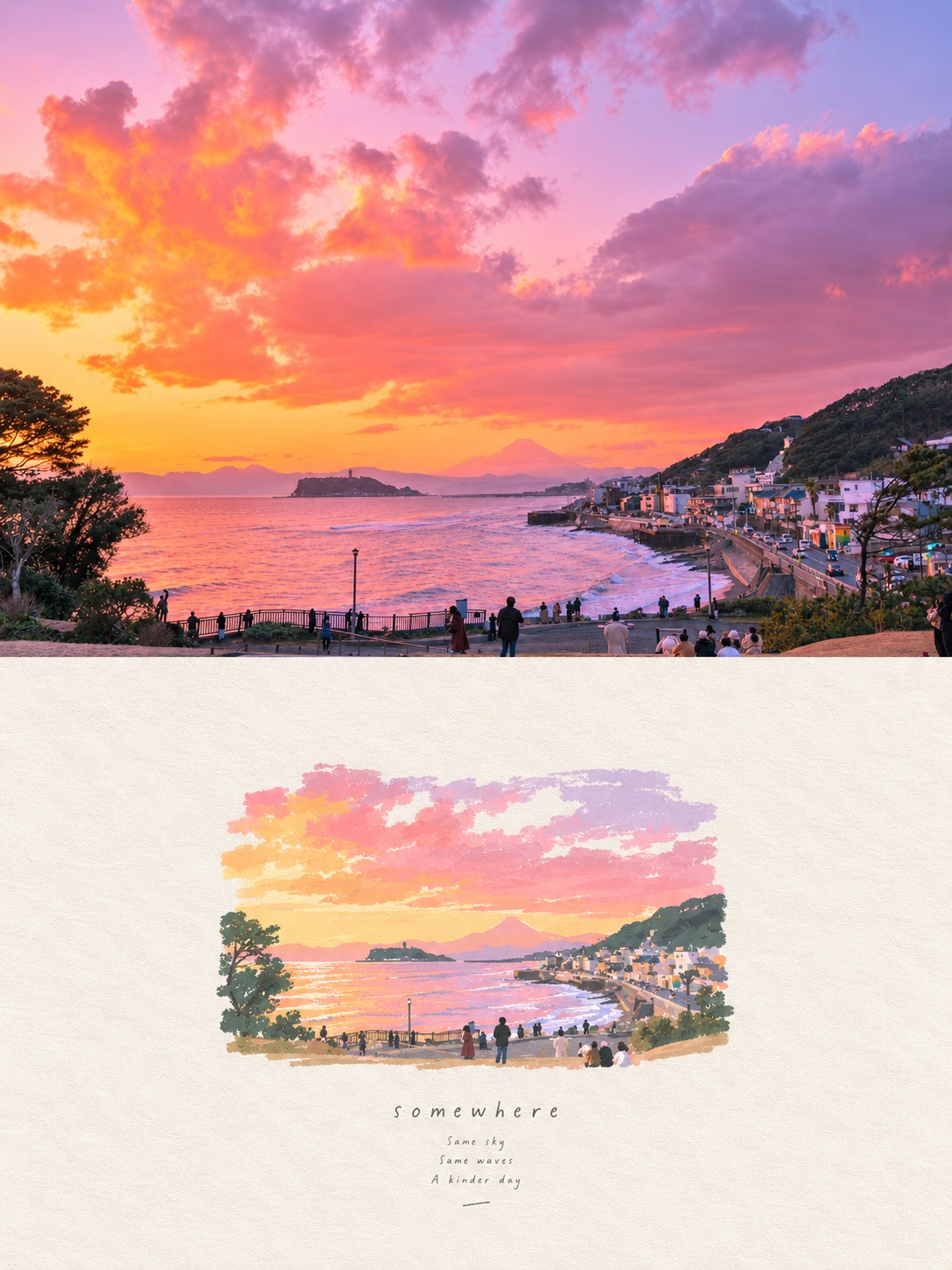
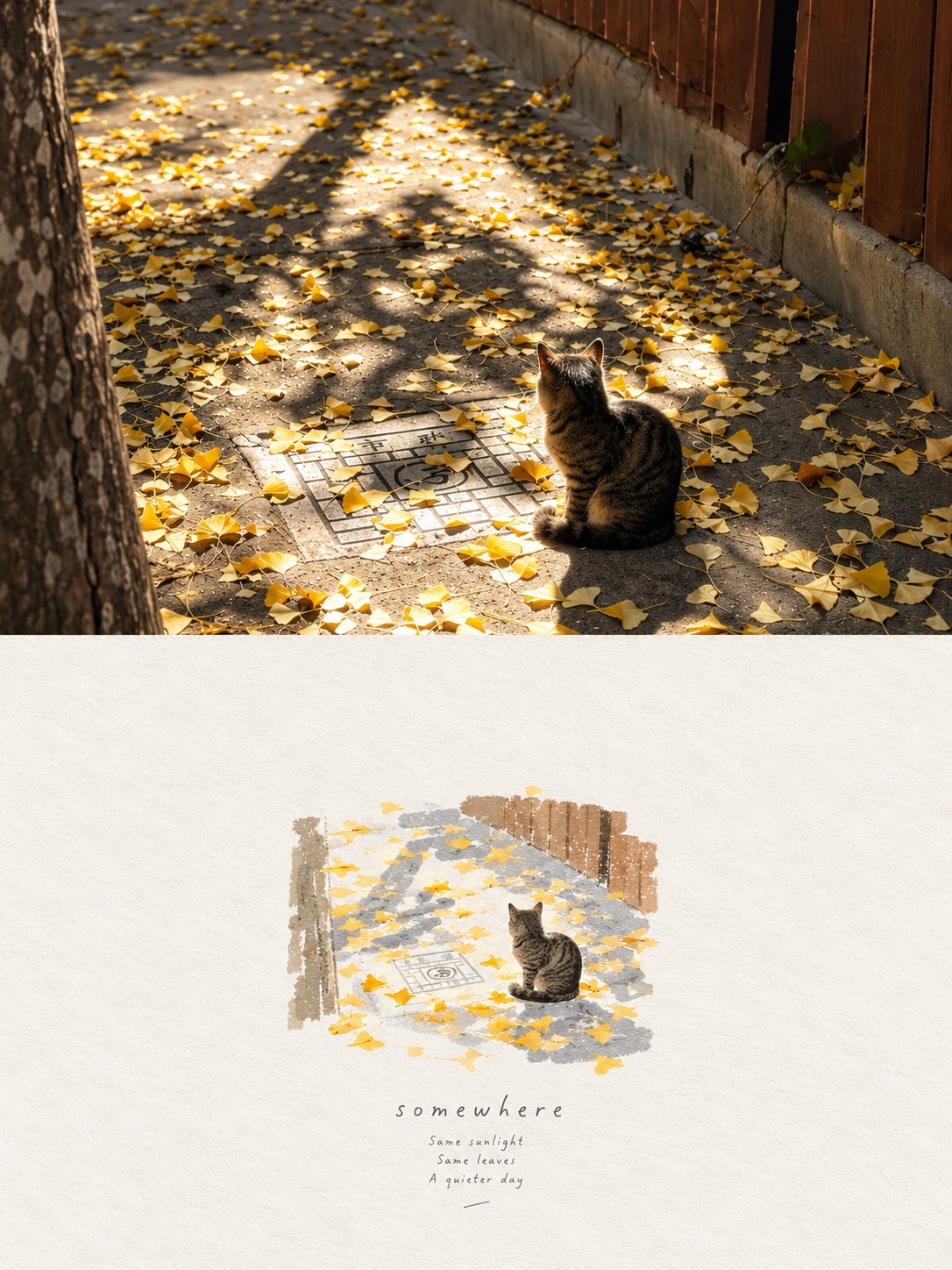
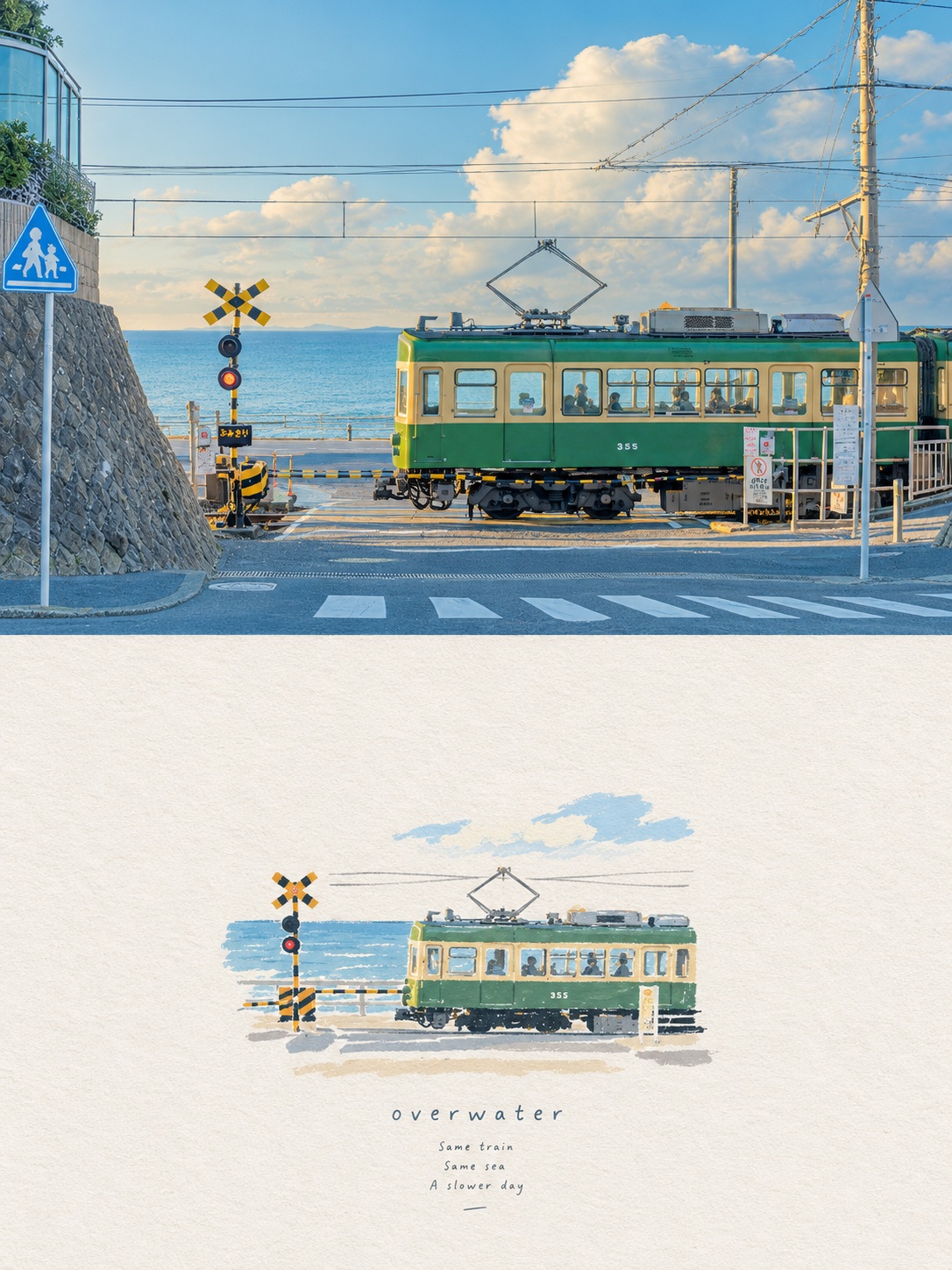
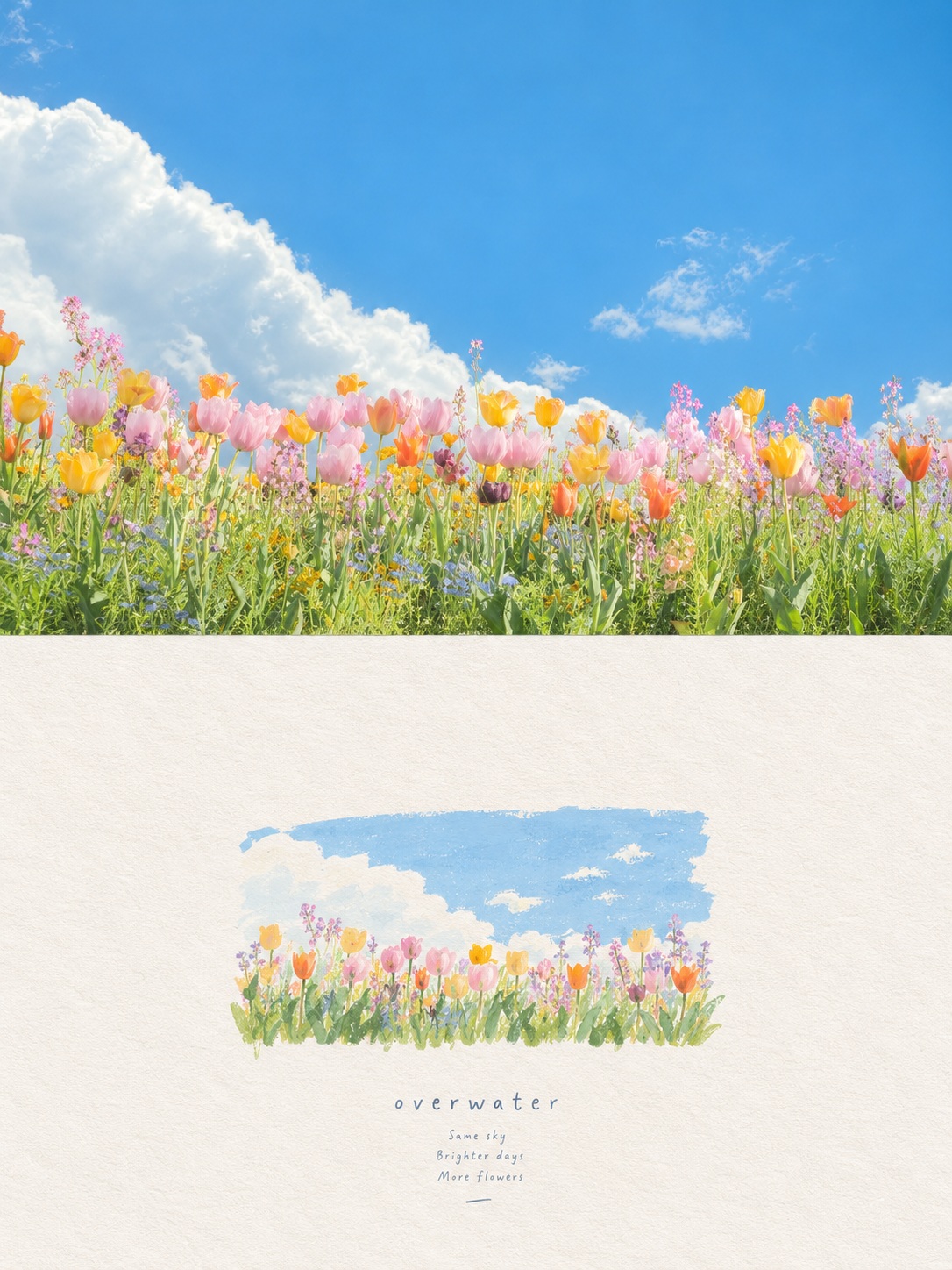
Prompt template
- Format
- Markdown
- Inputs
- Uploaded_photo (image) · Required
- Outputs
- Editorial_poster (image)
Use ChatGPT to create one independent, high-end editorial poster for each uploaded photo. Do not combine multiple photos into a collage. Process and output each photo as a separate poster.

## Format
- Use a strict 3:4 vertical composition.
- Divide the canvas horizontally into two exactly equal sections: the top half occupies 50% and the bottom half occupies 50% of the canvas.
- Make both sections feel visually connected as one refined art-publication cover.

## Top half: original photograph
- Preserve the original photograph as faithfully as possible. Keep the composition, subjects and identities, facial features, body proportions, poses, expressions, clothing, objects, and spatial relationships unchanged.
- Preserve realistic photographic texture, natural lighting, shadows, atmosphere, and the original color mood.
- Apply only subtle, sophisticated editorial color grading, like a premium magazine photograph, contemporary art book, or high-end independent publication.
- Keep the image photorealistic and authentic; do not over-retouch or artificially stylize it.
- If needed to fit the 3:4 composition naturally, seamlessly extend the sky, ground, walls, or surrounding environmental background. Never stretch, distort, reshape, replace, or alter the main subject.

## Bottom half: minimal hand-drawn paper illustration
- Extract the most recognizable elements from the photograph and reinterpret them as a minimalist hand-drawn paper-cover illustration.
- Preserve the most recognizable subject, essential silhouette and proportions, key pose or gesture, important objects, and the core narrative relationship between people and objects.
- Simplify heavily. Remove unnecessary detail and retain only what is needed for immediate recognition.
- Use delicate, slightly imperfect hand-drawn lines; a small number of bold, clearly defined acrylic-style flat color shapes; rough paper texture; visible handmade brush marks; organic, slightly irregular edges; and subtle imperfections that feel genuinely handmade.
- Keep the main illustrated subject small, centered, and carefully composed, occupying approximately 10–20% of the bottom half. Leave ample negative space around it.
- Use a background resembling rough white, warm off-white, or pale natural paper, or minimal editorial book-cover stock. Suggest the surrounding environment with only a few lines or small color shapes.

## Color palette
- Extract dominant colors directly from the photograph and reduce them to no more than four main colors.
- Keep the palette restrained, sophisticated, and harmonious. Use bold but controlled flat color blocks, avoid excessive color variation, and preserve subtle paper grain and handmade brush texture.
- Make the illustration feel like a simplified color interpretation of the photograph.

## Typography
- Include only a small amount of simple typography when it suits the image, such as a short title, keyword, object name, location, year, number, or short phrase.
- Keep any text minimal, understated, and editorial. Let it interact naturally with the negative space and small illustration, evoking art-book covers, independent publishing, contemporary editorial design, or thoughtful children's picture books.
- Do not force text into the composition if it does not naturally fit the photograph.

## Visual direction
The poster should feel quiet, poetic, refined, minimal, innocent, relaxed, artistic, thoughtful, highly recognizable, and premium. Center the visual concept on a small subject surrounded by abundant empty space. Make the result resemble a carefully designed independent art-publication cover, not a commercial advertisement.

The top half should read as a beautiful, authentic editorial photograph. The bottom half should feel like a small handmade visual poem derived from that photograph. Keep the halves in the same visual story while maintaining a clear contrast between photographic realism above and minimal handmade illustration below. Prioritize recognition, restraint, negative space, material texture, subtle imperfection, editorial sophistication, and artistic storytelling over decorative complexity.

## Avoid
Do not use colored-pencil aesthetics, crayon textures, bleeding watercolor, pure line art, complex realistic illustration, heavy oil-painting effects, smooth polished digital illustration, 3D rendering or glossy 3D textures, commercial cartoon aesthetics, cute commercial character design, e-commerce advertising aesthetics, generic poster templates, excessive decorative elements, busy compositions, or excessive typography.
What you'll create
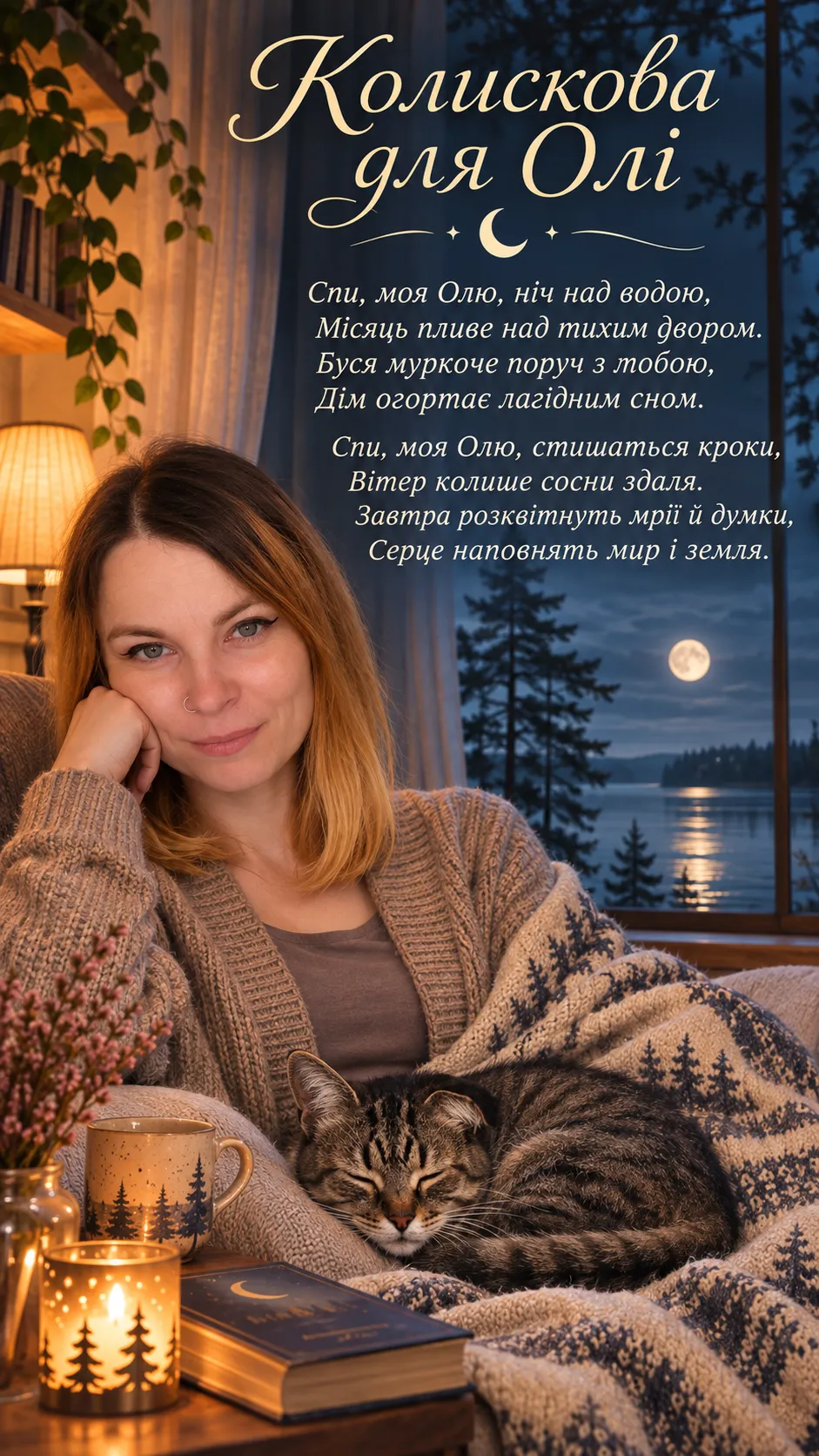
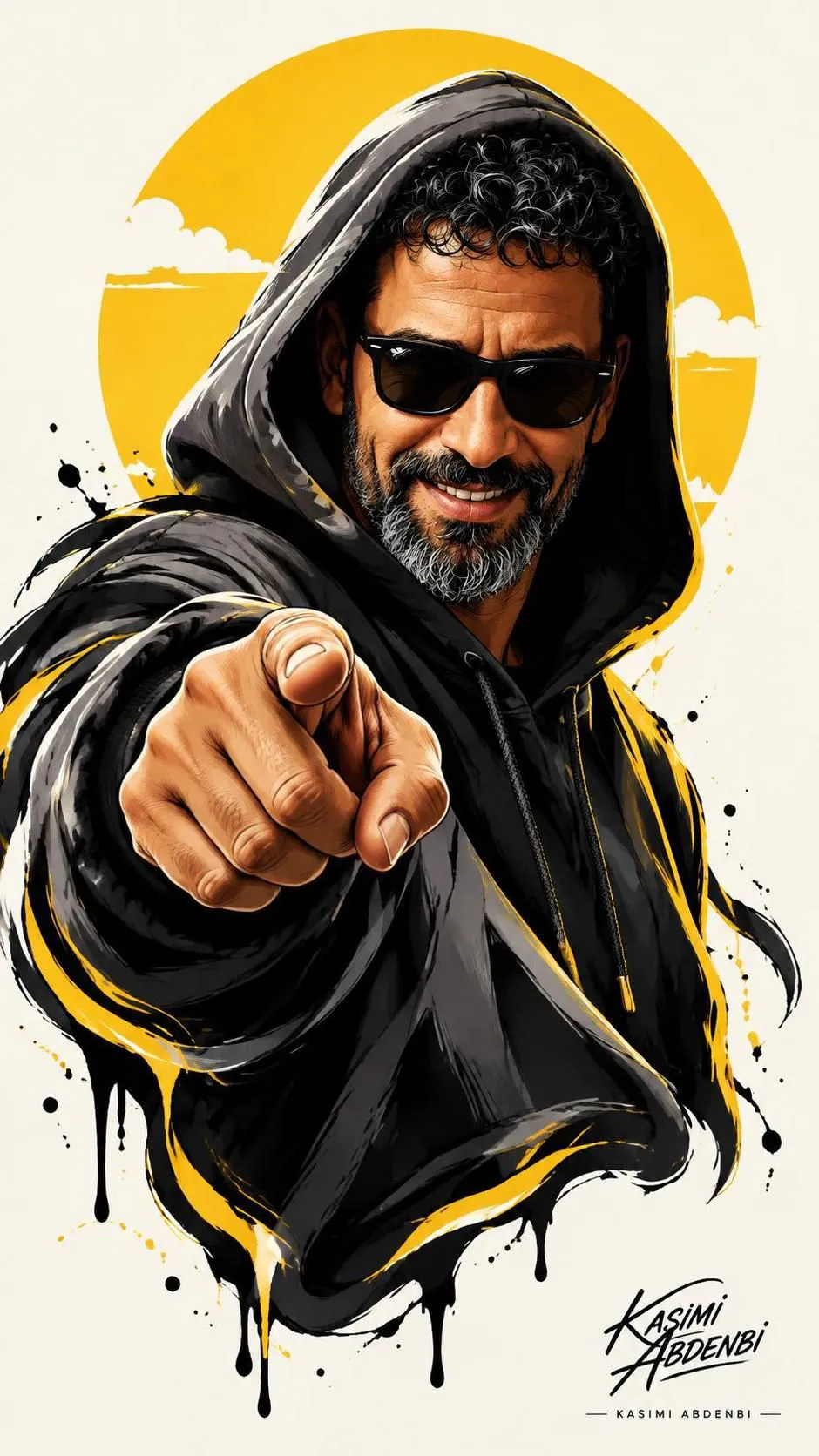
A vertical poster divides equally into a photographic top and a paper-textured illustration below. Simplified lines and flat acrylic-like shapes reinterpret the photo’s most recognizable elements.
Frequently asked questions
Are multiple uploaded photos combined?
No, each uploaded photograph becomes a separate independent poster.




Comments
Tried this prompt? Share what you made, compare results, or ask a question