Brocade Couture: Japanese Kimono Fashion Art
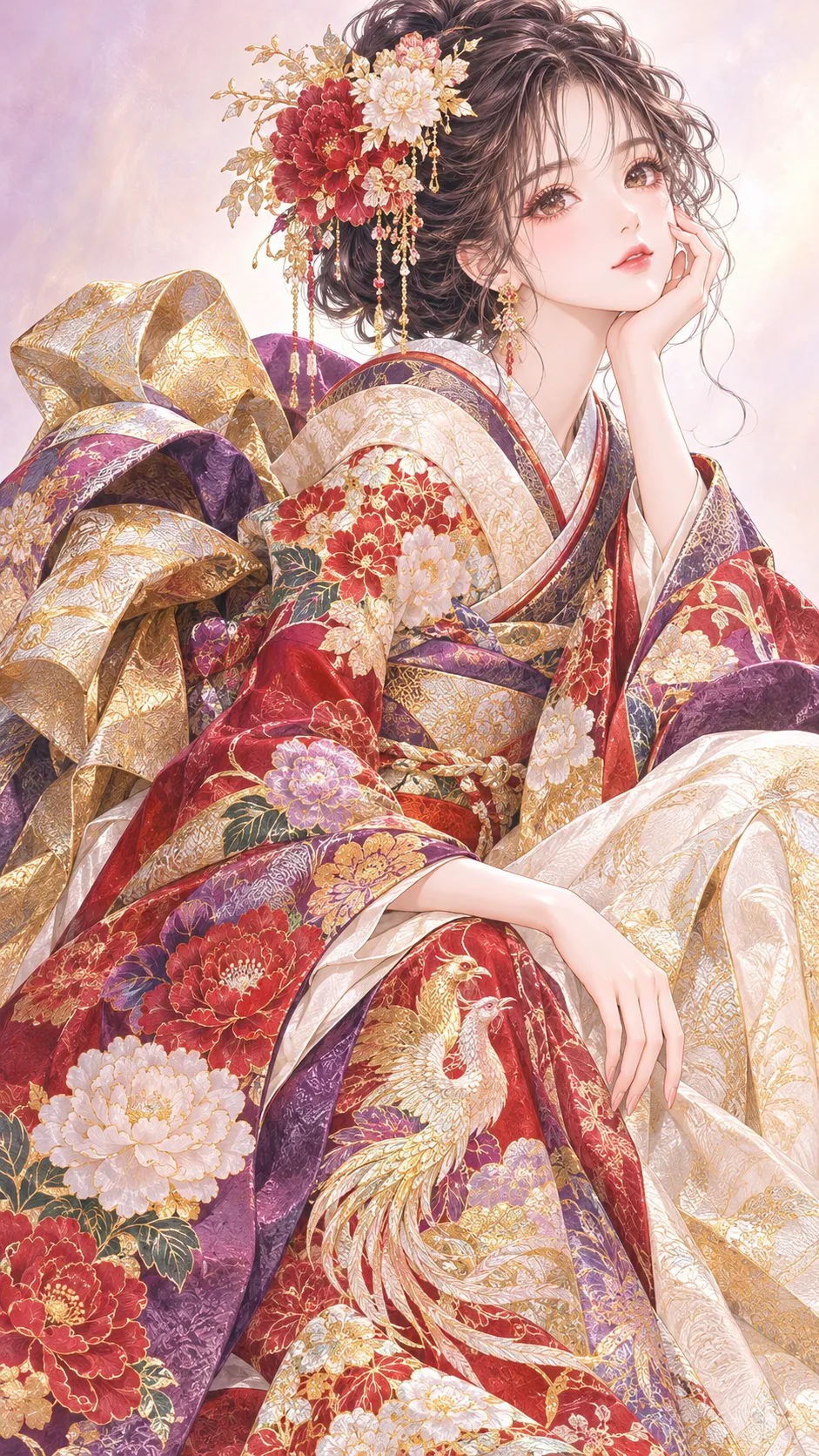
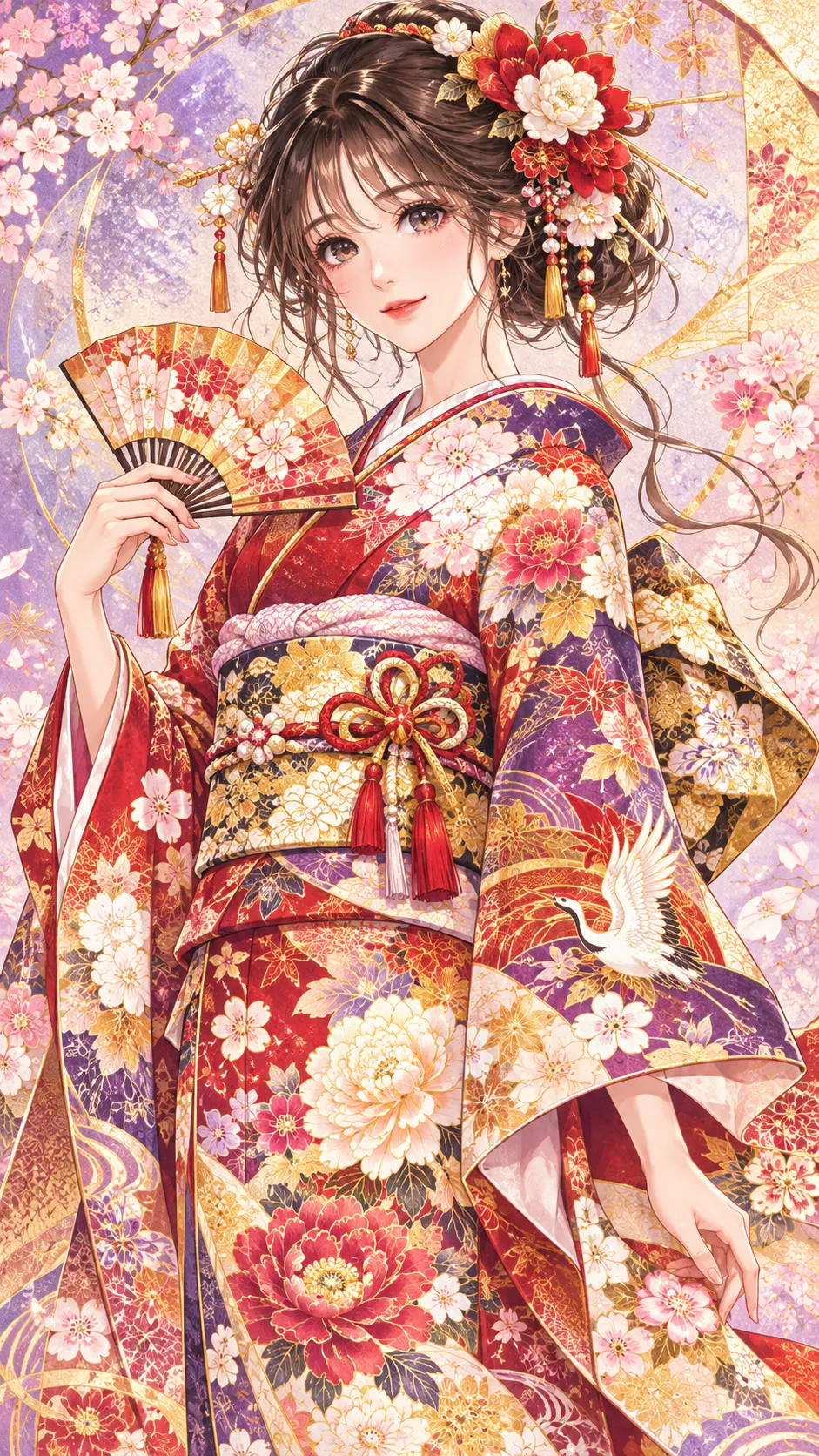
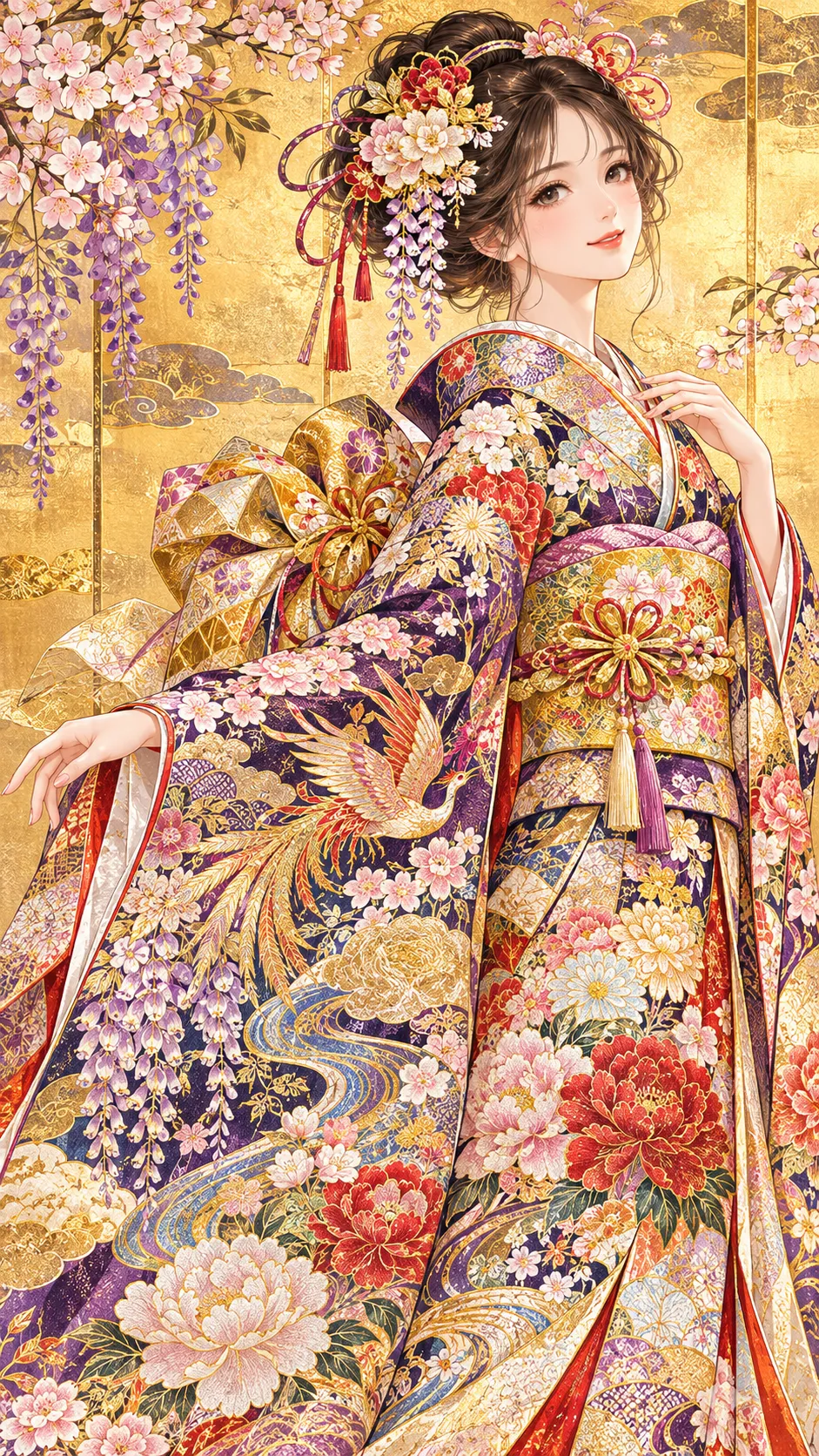
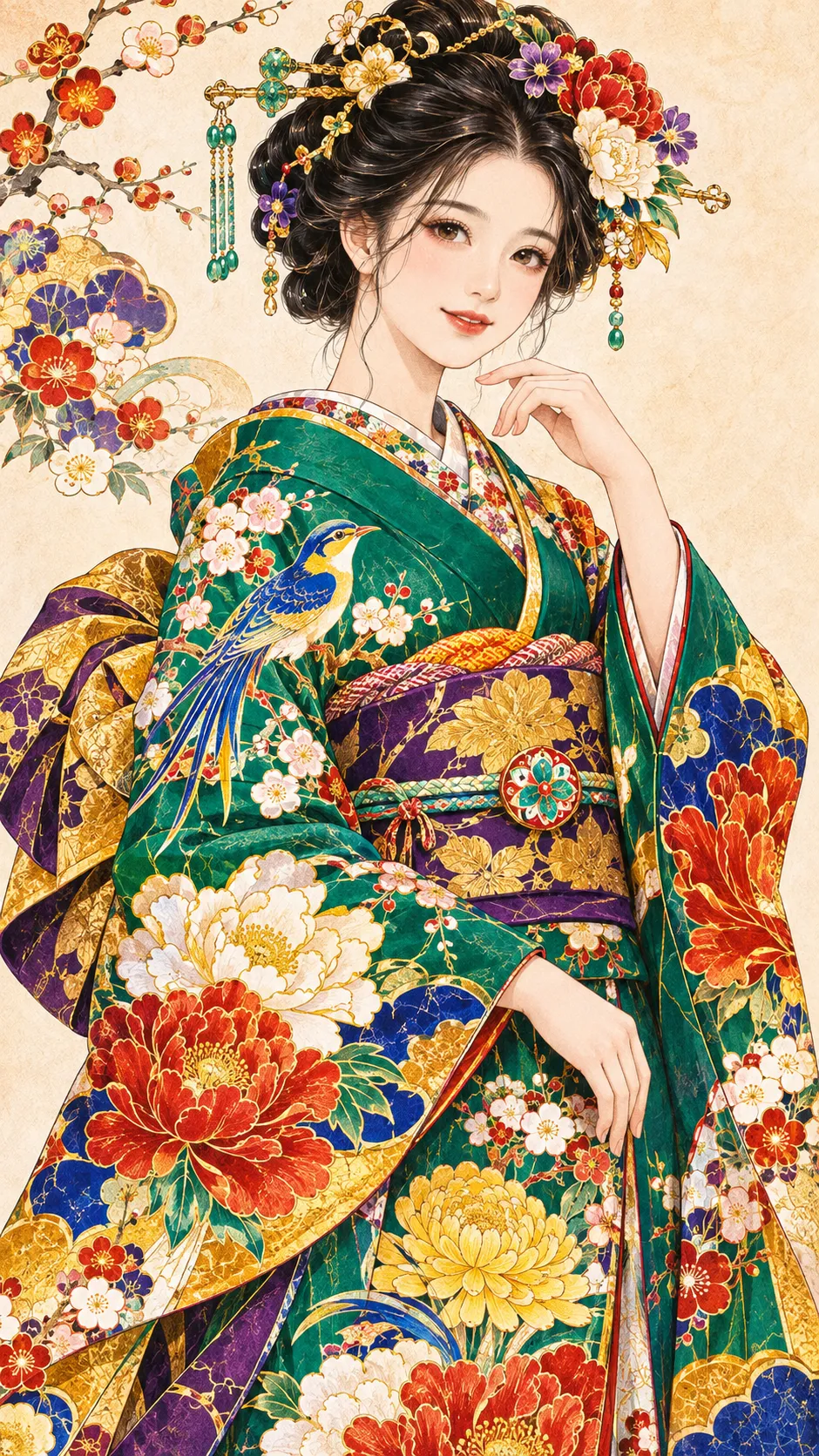
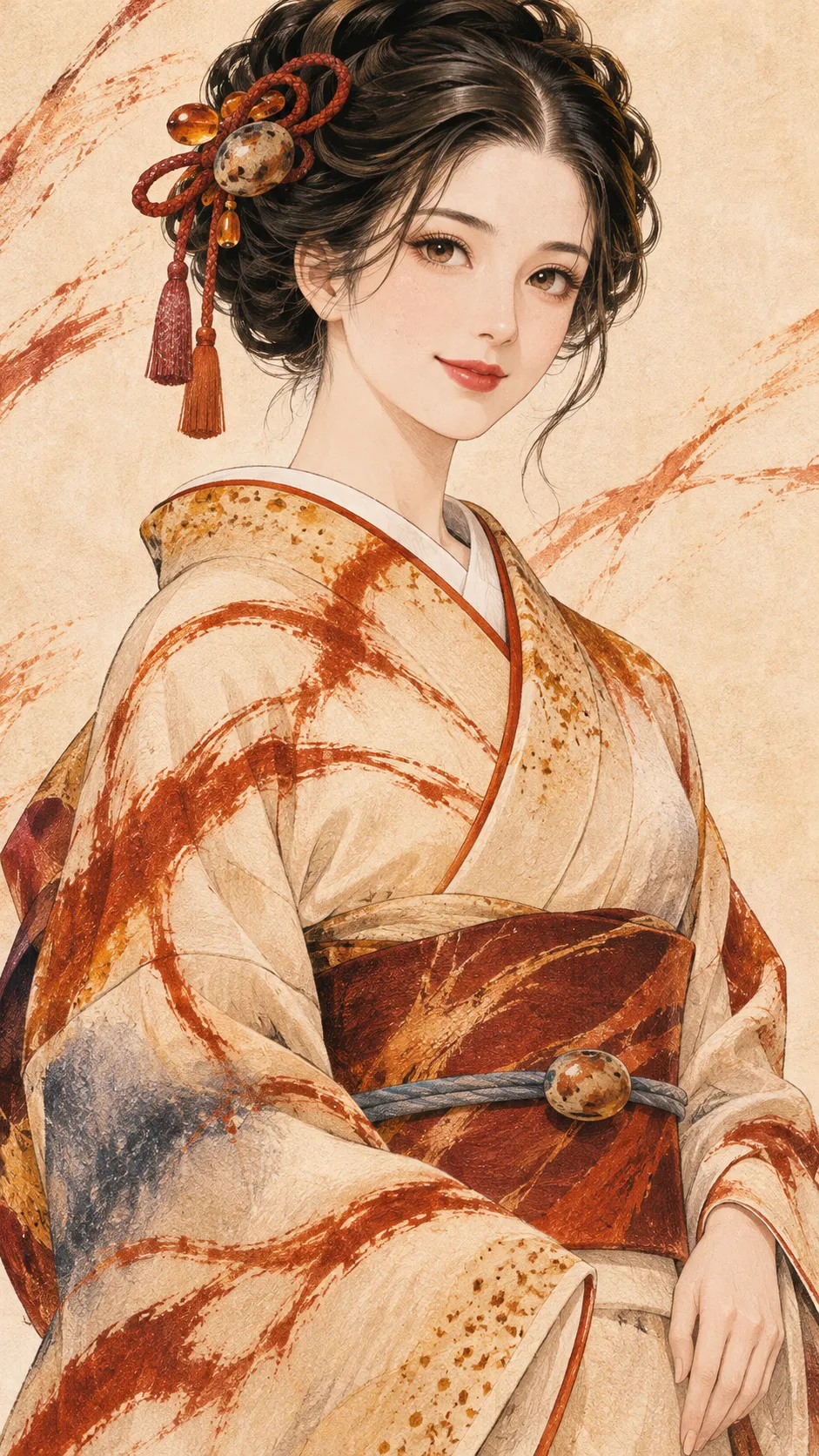
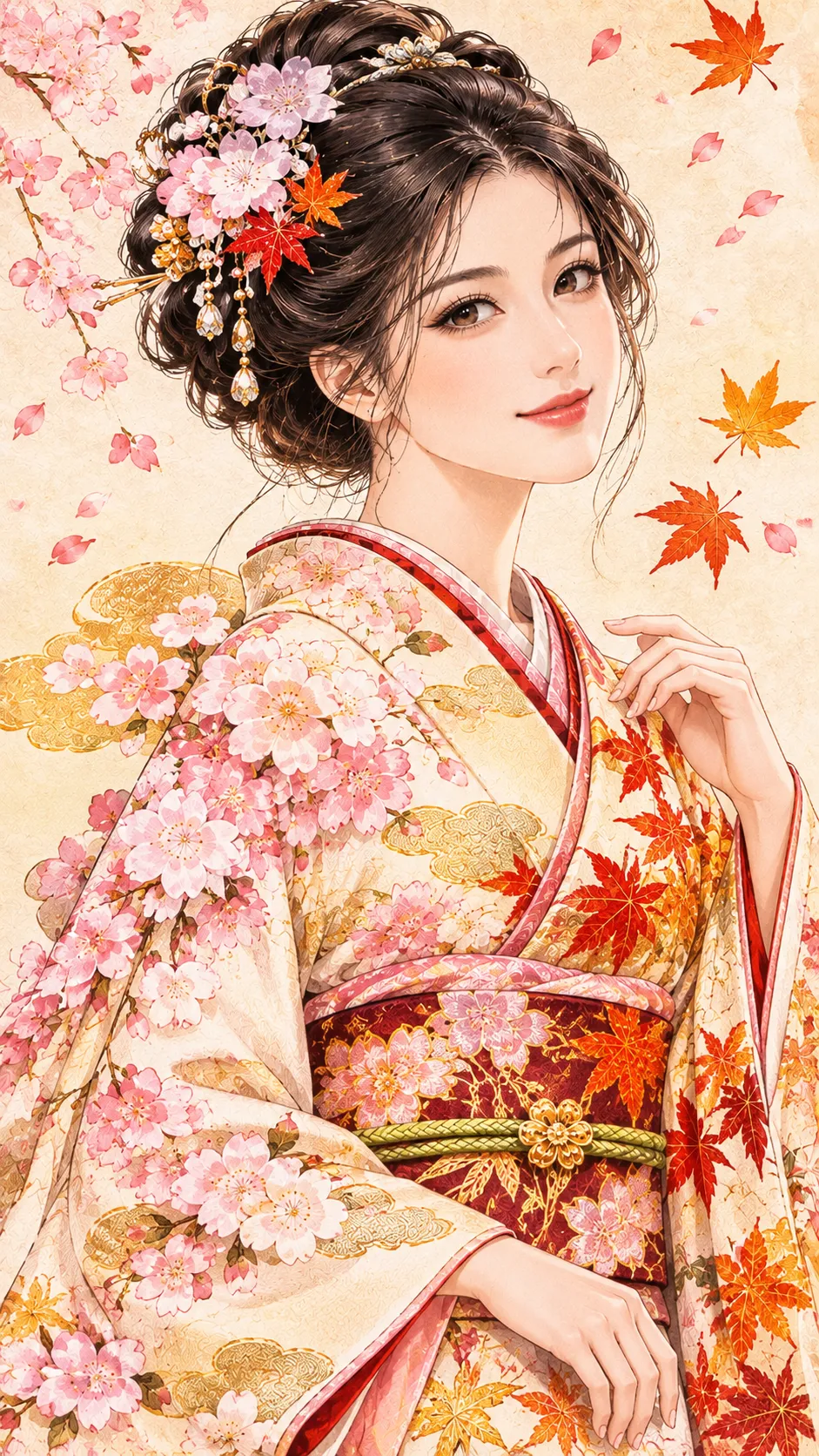
Create a vertical 2D manga-style fashion illustration combining Japanese brocade and kimono design with innovative haute couture.
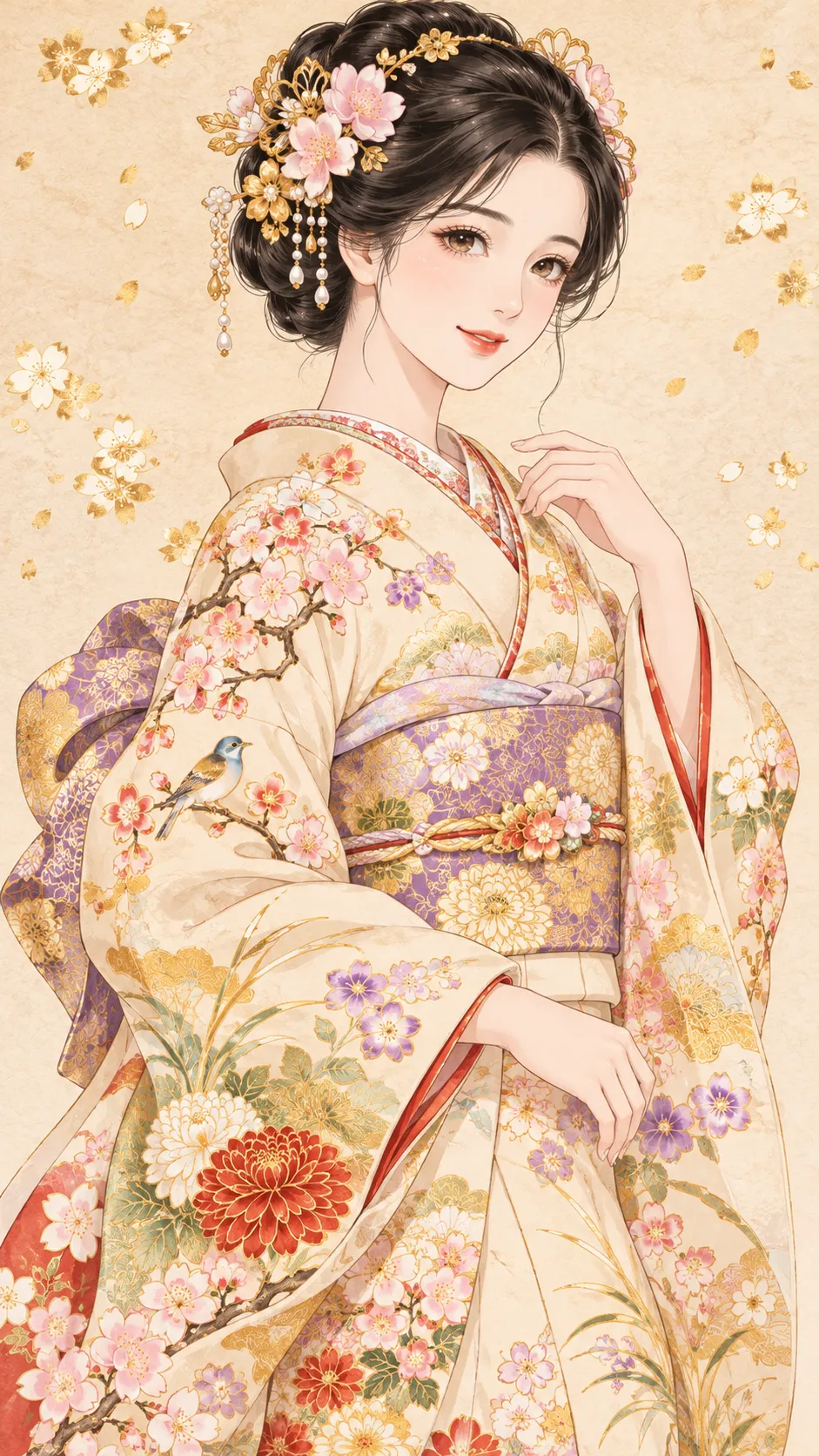
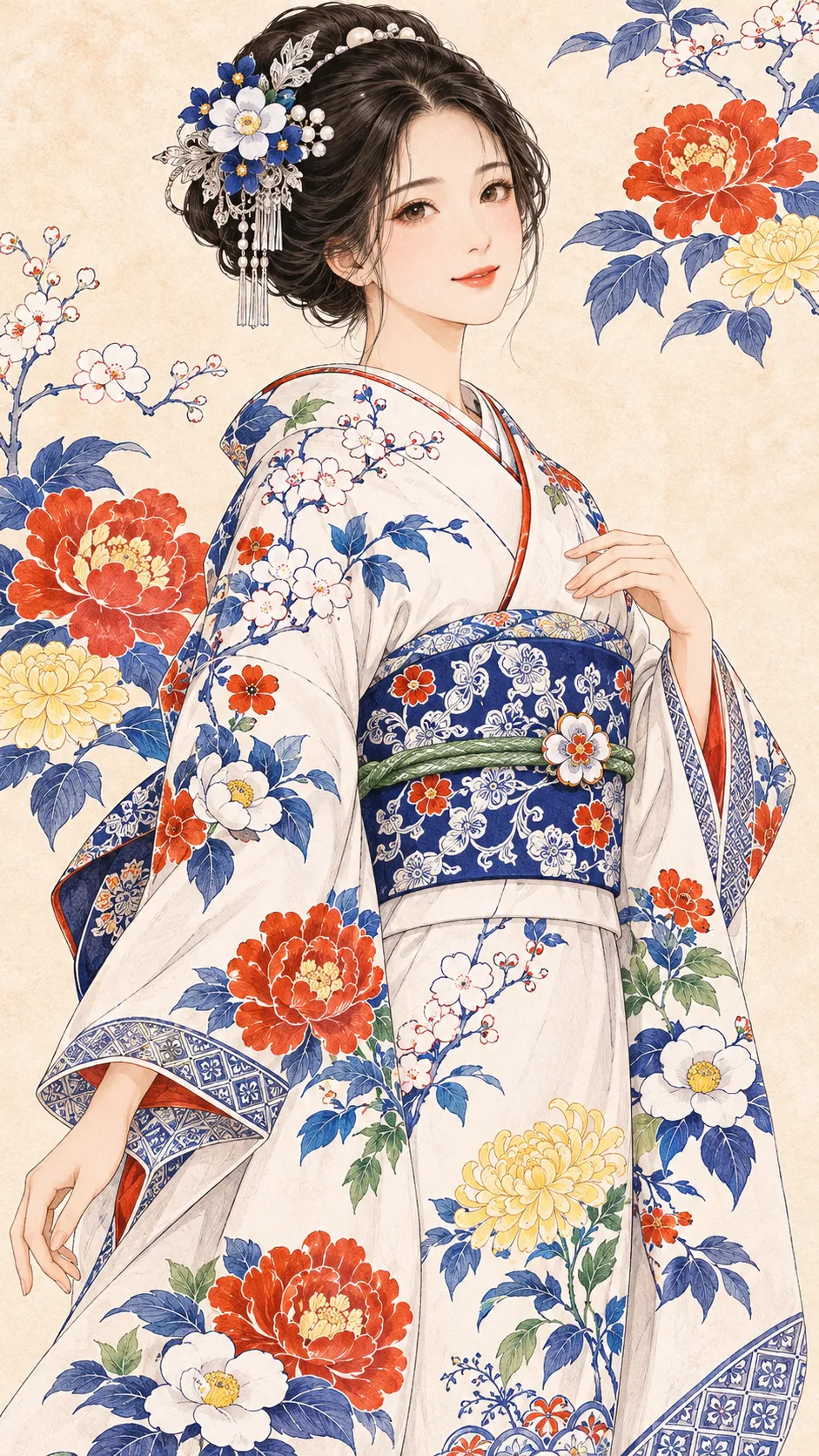
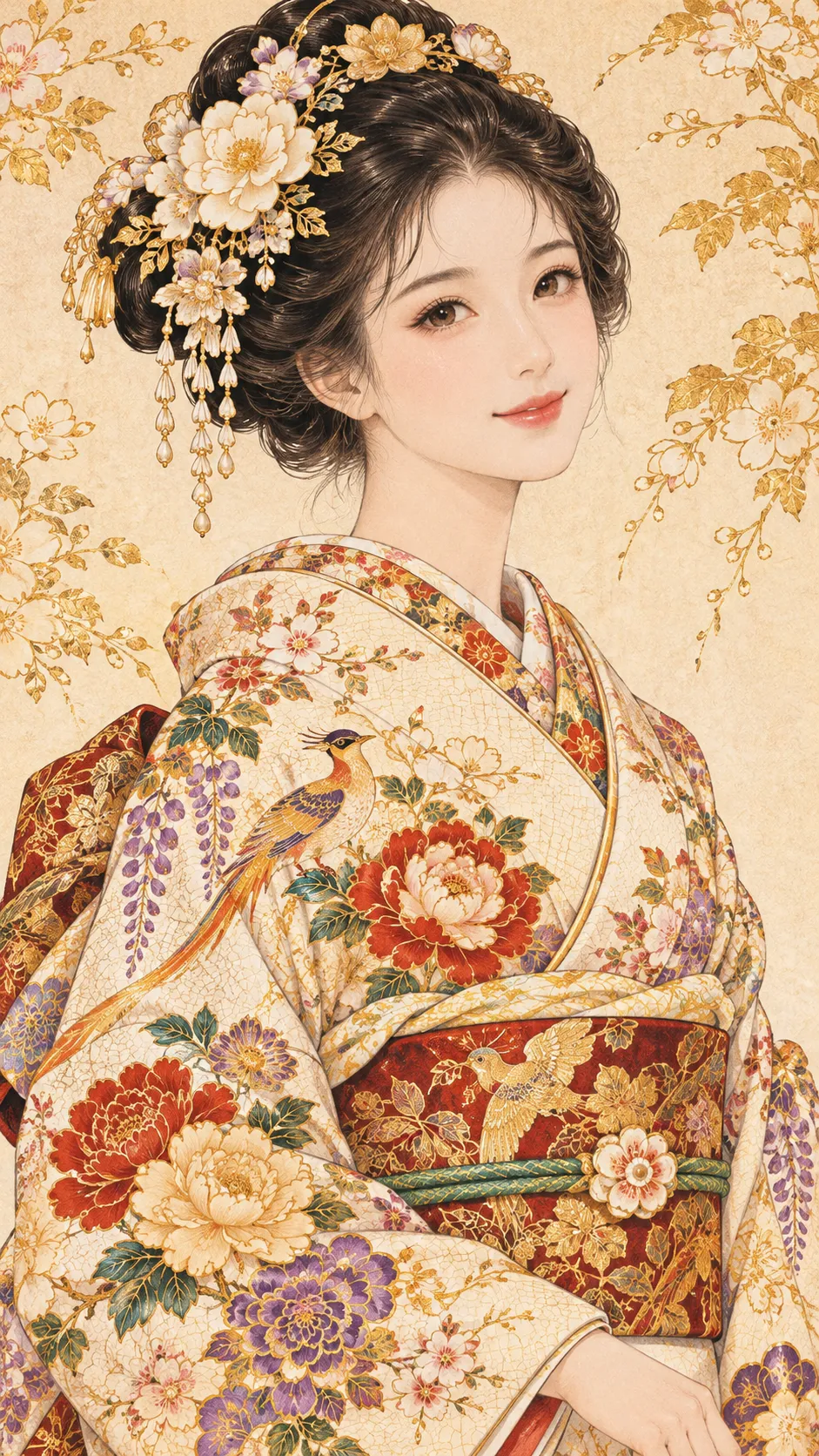
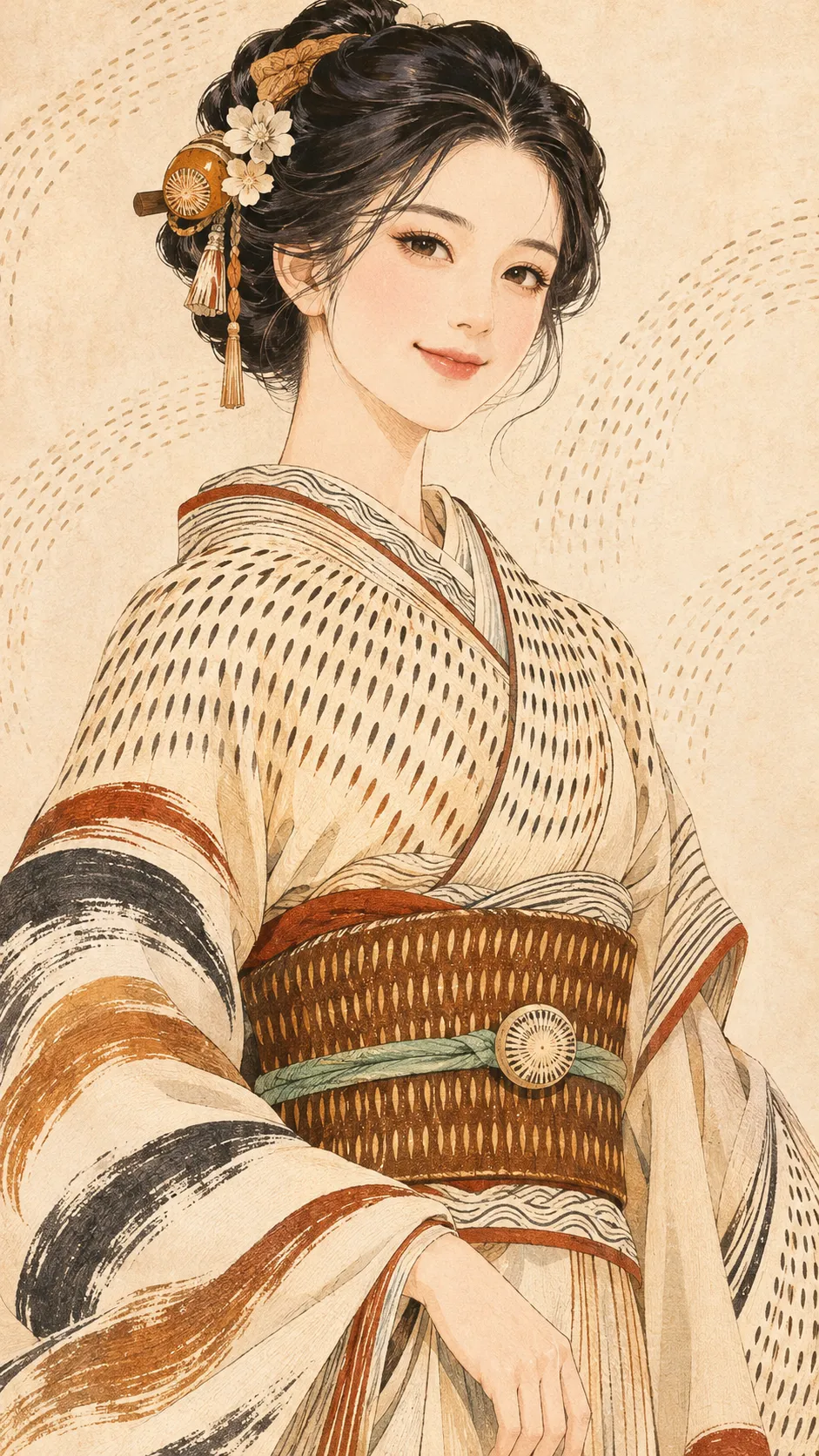
Example outputs
Prompt template
- Format
- Text
- Outputs
- Fashion_art (image)
Create an original, fully 2D fashion illustration that fuses traditional Japanese textile culture—especially brocade, kinran, and Nishijin-ori—with the elegant construction of kimono, innovative 2020s haute couture, and the beauty of contemporary Japanese manga illustration. Artistically depict intricate woven patterns, the delicate shimmer of gold and silver threads, and fabric that feels substantial yet supple. Do not merely reproduce a traditional kimono; reinterpret Japanese textile art and kimono structure with a modern sensibility.

HEROINE
Depict one fictional, youthful-looking adult Japanese woman. Give her the endearing delicacy associated with contemporary Japanese manga heroines and the refined beauty of a Western doll. She has a naturally rounded face, large luminous eyes, long fine eyelashes, neat eyebrows, and small, elegant lips. Her expression is soft and graceful; her skin appears luminous, and her face is delicately hand-drawn. Render her face, hair, skin, and clothing consistently in a fully 2D manga illustration style.

COUTURE DESIGN
Design original brocade haute couture based on traditional Japanese kimono. Preserve the beautiful overlapping collar, straight-line construction of the fabric, graceful sleeves, decorative obi, and refined silhouette. Freely incorporate bold contemporary layering, dimensional folds of fabric, sophisticated asymmetry, and an original silhouette. Vary the sleeve length and shape, collar overlap, obi design, and hem to create a distinct kimono-inspired design.

Place luxurious brocade or kinran effectively on the bodice, sleeves, obi, or other areas. Use contrast with plain fabric and open space to emphasize the woven textile. Make the Japanese garment’s sculptural beauty the focus; avoid excessive frills and Western-style dress ornamentation. Keep the neck, chest, back, and legs elegantly covered, with modest skin exposure.

BROCADE AND MATERIAL
Carefully depict the intricate weave characteristic of Japanese brocade and kinran, raised-looking motifs, and the delicate sheen of gold and silver threads. Freely draw inspiration from Japanese textile motifs, including flowers and birds, plants and blossoms, auspicious patterns, and traditional geometric designs. The patterns must appear woven into the fabric with colored and metallic threads, not printed on its surface.

Let the motifs follow folds and curved surfaces naturally. Convey the textile’s thickness, structure, and softness. Keep metallic sheen delicate; do not make the entire garment look uniformly metallic. Balance precise patterns with smooth, unpatterned areas to create a refined design that lets the material’s beauty stand out.

OBI AND ACCESSORIES
Build on the traditional structure of the obi, developing it into a dimensional, original form with a contemporary haute couture sensibility. Harmonize its woven patterns, layered fabric, obi cord, and obi clasp with the overall garment. Choose hair ornaments and earrings freely to suit the design, but do not pile on excessive decorations; keep the brocade and kimono forms central.

HAIR AND COLOR
Do not fix the hairstyle, hair color, garment design, or palette. Freely choose a hairstyle that suits the work, such as short, bobbed, medium-length, long, braided, or upstyled hair. The colors of the garment and background are also unrestricted. Do not favor a particular color or combination; create a fresh palette for each design. Contemporary fashion colors may be used alongside traditional Japanese colors.

COMPOSITION AND POSE
Create a striking composition that combines the impression of a contemporary luxury fashion-magazine cover with a beautifully illustrated manga color-page spread. Freely choose the figure’s placement, gaze, pose, and camera angle to suit the work. Select a composition that shows the graceful sleeves, dimensional obi, flowing hem, and intricate woven patterns to advantage.

Explore poses that bring out the heroine’s appeal, such as standing quietly, walking naturally, turning back, or letting a sleeve or hem sway softly. Keep the pose graceful and dynamic, with the garment’s movement in harmony with her gestures. Connect the arms and hands naturally, and avoid awkward overlaps that make the body structure unclear.

ANATOMY AND HANDS
Draw the anatomy naturally and accurately: two arms, two hands, and two legs. Each arm should connect naturally from shoulder to elbow, wrist, palm, and fingertips. Make the position of the left and right arms clear, including arms inside sleeves. Each hand has one thumb and four other fingers. Depict natural finger length, thickness, joints, roots, and direction of bending. Avoid fused, duplicated, or unnaturally branching fingers. Make the connection between palm and fingers clear, and give the hands a natural, graceful expression.

Not every finger needs to be visible. Fingers may be hidden by a natural angle or sleeve, provided the implied anatomy remains consistent. When a hand emerges from a cuff, clearly connect it to the wrist. When a sleeve hides an arm or hand, preserve the natural position and continuity of the arm from the shoulder. Balance the garment’s splendor with accurate, convincing anatomy. Avoid extra limbs, duplicated fingers, fused fingers, and unnatural joints.

BACKGROUND
Use a refined, painterly background suggestive of a contemporary luxury fashion advertisement. Build it from soft fields of color, delicate spreading light, a sense of depth through gradients, and an elegant painterly texture. Do not depict a specific Japanese garden, temple, shrine, or cityscape. Avoid geometric patterns and excessive Japanese-style decoration. Freely adjust the background’s colors, brightness, and lighting to complement the figure and kimono.

LIGHT AND RENDERING
Create a fully 2D, beautifully hand-drawn manga illustration. Use delicate, flowing outlines, luminous skin, jewel-like eyes, and carefully rendered strands and movement in the hair. Render the kimono’s woven patterns precisely, using subtle light and shadow to show the shimmer of metallic threads and the raised texture of the weave. Place the light to bring out the woman’s features, the fabric’s layers, and the textile’s texture. Keep the face and skin soft and hand-drawn, in harmony with the garment’s intricate ornamentation. Use a consistent 2D drawing technique throughout the face, hair, hands, kimono, and background.

ARTISTIC IMPACT
Create an original work that feels as though traditional Japanese textile art has been reborn as innovative contemporary haute couture. Unite intricate brocade motifs, the delicate shimmer of kinran, the graceful forms of kimono, and the heroine’s delicate beauty. Do not rely on traditional luxury alone: create a fresh appeal through a refined silhouette, striking composition, rich color, and subtle material rendering. Preserve Japanese elegance while expressing the boldness and glamour of contemporary fashion. The result should be magnificent and sophisticated, immediately captivating and rewarding close inspection.

FINAL REQUIREMENTS
- Vertical 9:16 composition.
- One fictional, youthful-looking adult Japanese woman.
- Fully 2D, beautifully hand-drawn manga illustration.
- Natural, accurate anatomy: two arms, two hands, five fingers on each hand, and two legs.
- Natural connections among shoulders, elbows, wrists, palms, and fingers; natural positioning of arms within sleeves.
- No extra limbs, duplicated or fused fingers, or unnatural joints.
- Do not fix the hairstyle, colors, pose, or composition.
- No photography, live action, 3D, CGI, or photorealism.
- No text, logos, or watermarks.

Create a polished, original work of art that combines the lavish decorative beauty of Japanese brocade and kinran, the graceful structure of kimono, the originality of contemporary haute couture, and the delicate beauty of manga illustration.
What you'll create
A fictional adult Japanese woman appears in a 2D fashion illustration with substantial supple fabric. Traditional woven ornament becomes innovative contemporary structure rather than a copied historical garment.
Frequently asked questions
What textile traditions are named?
Brocade, kinran and Nishijin-ori.
Is the goal a literal traditional kimono reproduction?
No. It is a modern reinterpretation.

Comments
Tried this prompt? Share what you made, compare results, or ask a question