Photo-Based “Second World” Collage Poster
Turn an uploaded photograph into a thoughtful 3:4 vertical collage poster, preserving the photo while discovering a tactile, photo-specific “second world” beneath it.
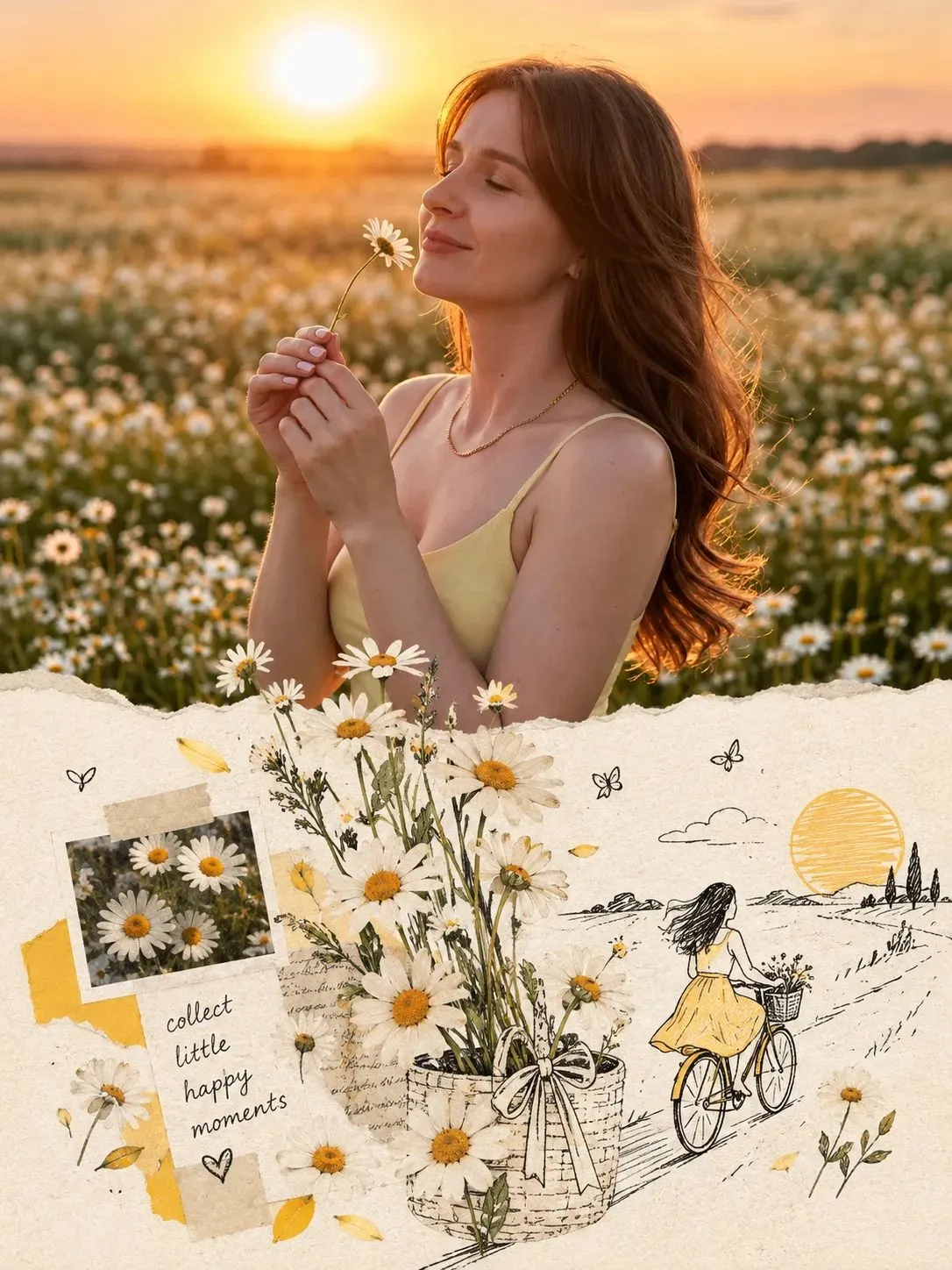
Example outputs
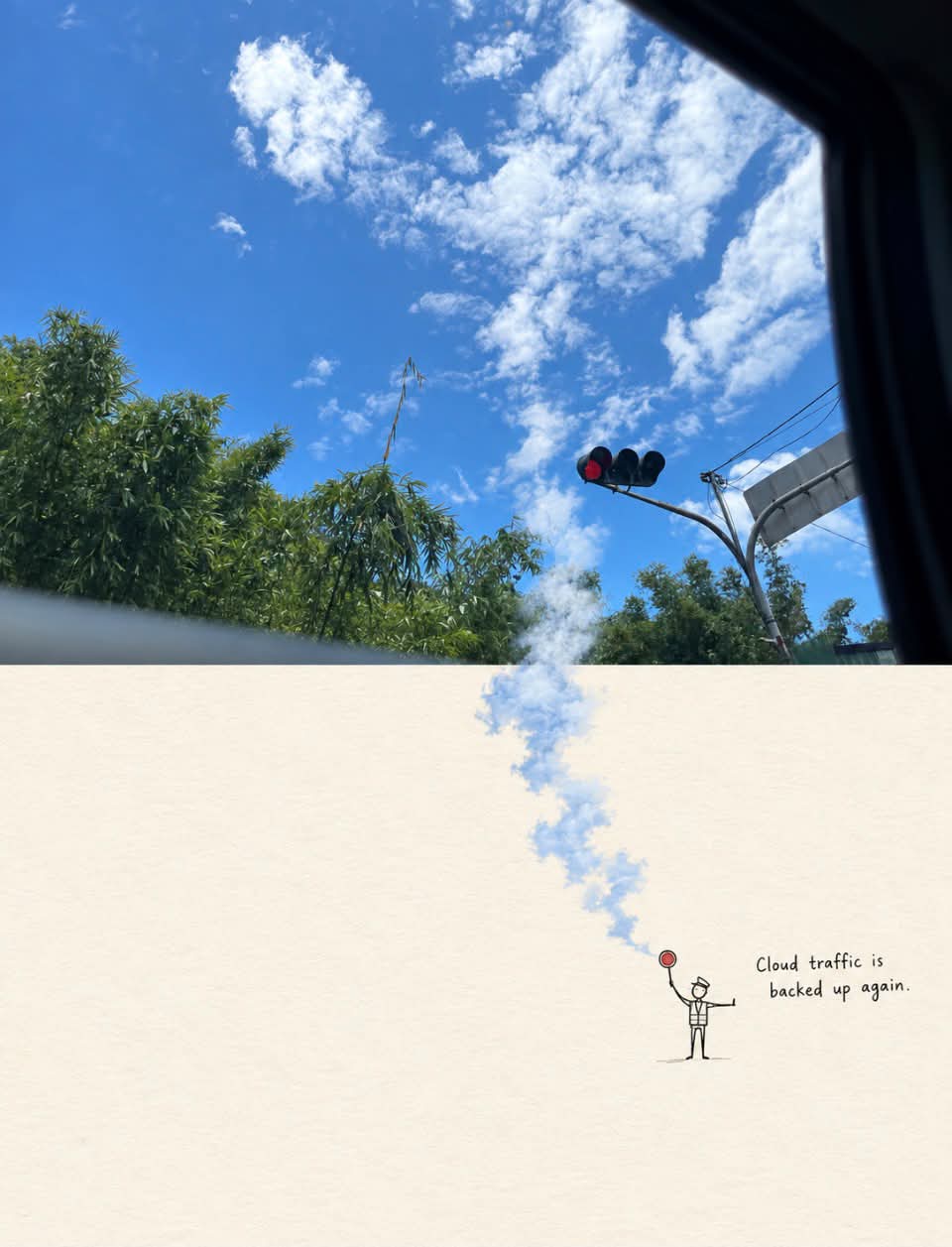
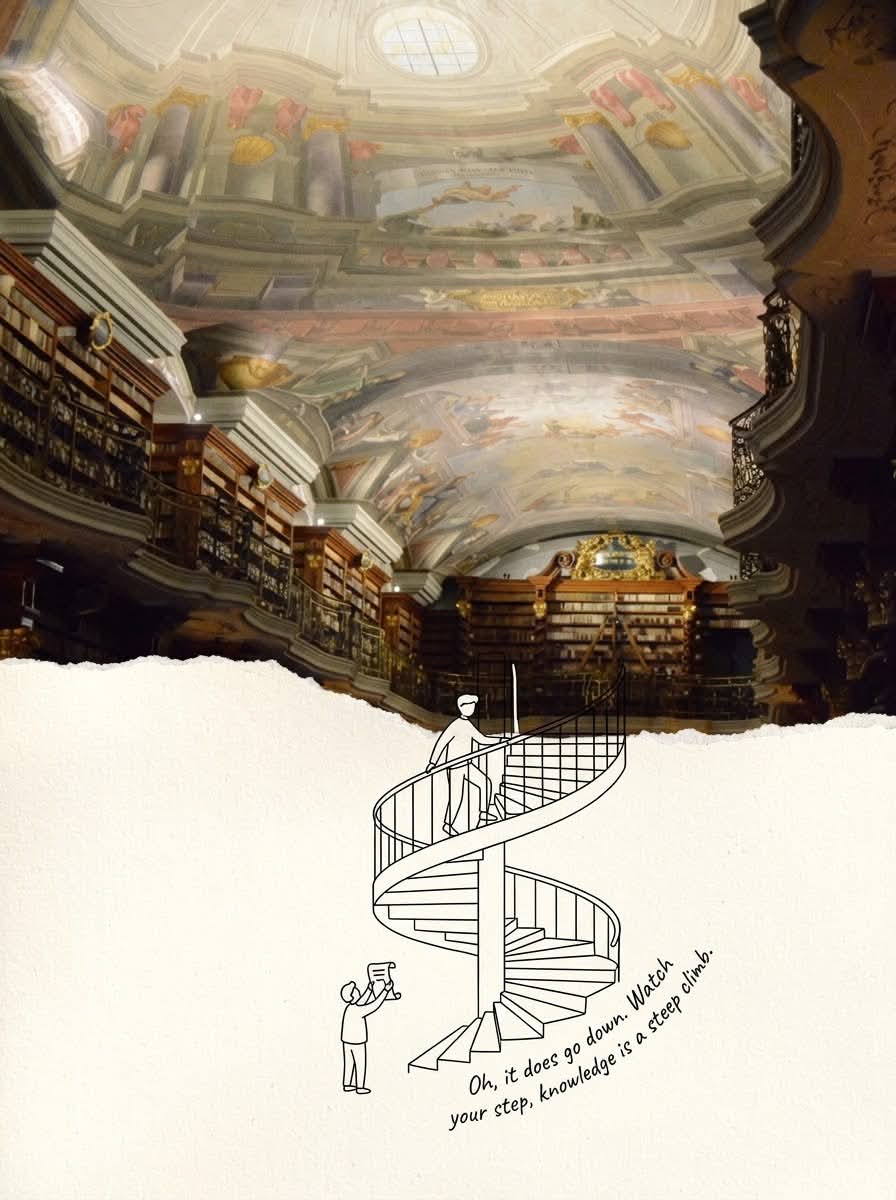
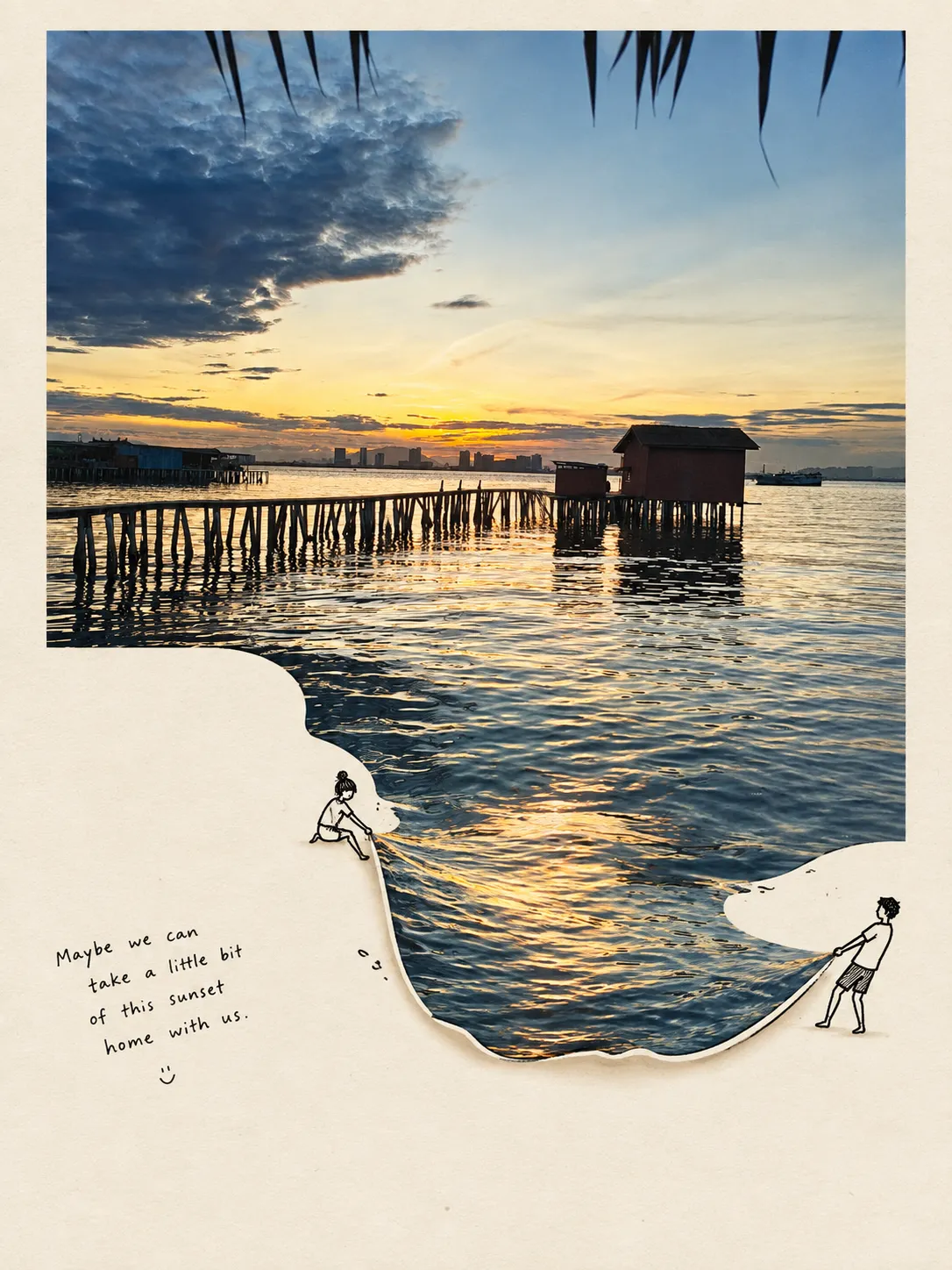
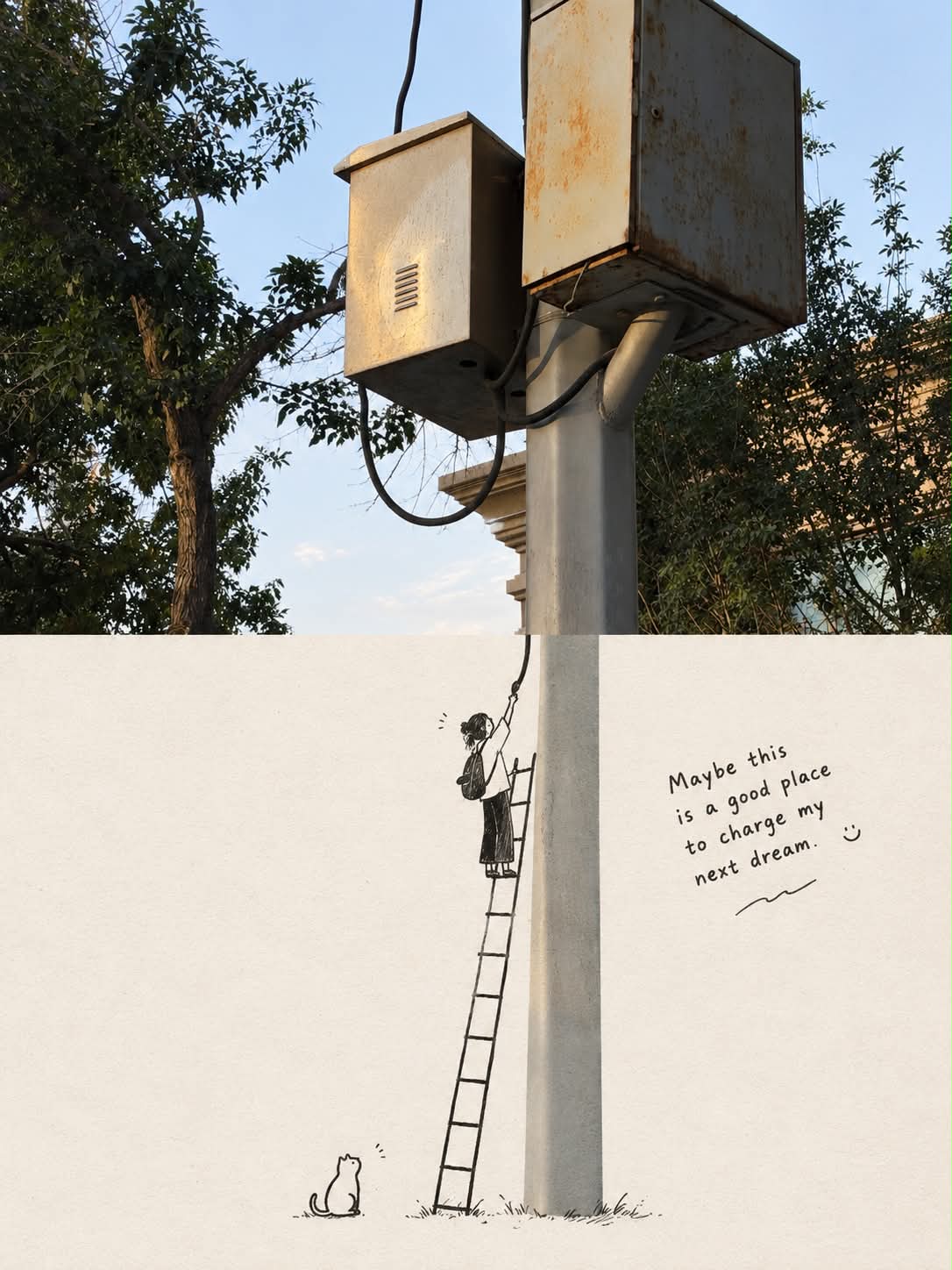
Prompt template
- Format
- Text
- Inputs
- Uploaded_reference_photograph (image) · Required
- Outputs
- Collage_poster (image)
Create a 3:4 vertical “Second World” collage poster based on the uploaded photograph.

Composition:
- Divide the poster into equal upper and lower halves.
- In the upper half, preserve the original photograph as faithfully as possible. Do not change its subject, character actions, spatial relationships, colors, or natural light and shadow. Crop only as needed to fit the composition.
- Use a natural warm beige paper background with plenty of blank space in the lower half.
- Do not default to a fixed “torn paper plus tiny character” template. The shape of the photographic cutout must help interpret the photograph; avoid ordinary irregular torn edges unless they make sense for this particular image.

Before creating the collage, carefully examine the photograph:
1. Identify its most recognizable visual structure, not just its subject—for example, water, roads, reflections, clouds, branches, beams, shadows, building edges, movement, or ridges.
2. Consider what that structure might naturally become if it were tangible and could be touched, used, or changed. Use that idea to discover a “second world” unique to this photograph. Possible actions include pulling, pushing, poking, entering, salvaging, measuring, repairing, unfolding, paving, climbing, connecting, or collecting, but choose an action that genuinely follows from the image rather than mechanically reusing an example.
3. Let the shape of the photographic cutout participate in the interpretation. For example, water might become a small pool, light something that can be borrowed, a road something that continues onward, or clouds and branches elements in a new spatial relationship. Derive the specific idea from the photograph.
4. Add zero to three minimalist black hand-drawn line-art characters, only if appropriate. They are users of this second world, not decoration: have them genuinely interact with the physical structure rather than simply pose beside it. Do not add a character if the photograph already has a strong character action.
5. Based on what happens in the photograph, write a short, natural English handwritten narration with a relaxed tone and perhaps a little humor or voice-over quality. Do not write an inspirational quotation or reuse the fixed phrase pattern “Same… different.” Place the text according to the available blank space and direction of action; do not always put it in the same corner.

Overall style: real photography, off-white paper, and minimalist black line doodles; clean, bright, restrained, with a slight handmade-collage and independent-magazine feel.

Avoid a commercial-advertising look, complex illustrations, dense clusters of tiny characters, repetitive torn-paper templates or actions, arbitrary decorations such as leaves and stars, changing the original photograph’s colors, or redesigning its photographic content without permission.

Most importantly, do not merely decorate the photograph. Understand it first, then reveal another world that might have existed within it. The result should make viewers feel, “I never realized this photograph could be understood this way.”
What you'll create
An original photograph fills the upper half while warm beige paper and restrained black line doodles reveal an imagined second reading below. The cutout’s shape responds to the photo’s own visual structure rather than a fixed decorative formula.
Frequently asked questions
Should every photo use torn edges and a tiny figure?
No; the brief rejects a fixed torn-paper template and asks the cutout and action to follow the individual photograph.






Comments
Tried this prompt? Share what you made, compare results, or ask a question