New Chinese Ink-Wash Architectural Diorama
Transform a reference photo into a spacious, narrative architectural landscape combining Chinese ink-wash aesthetics with architectural concept-art linework.
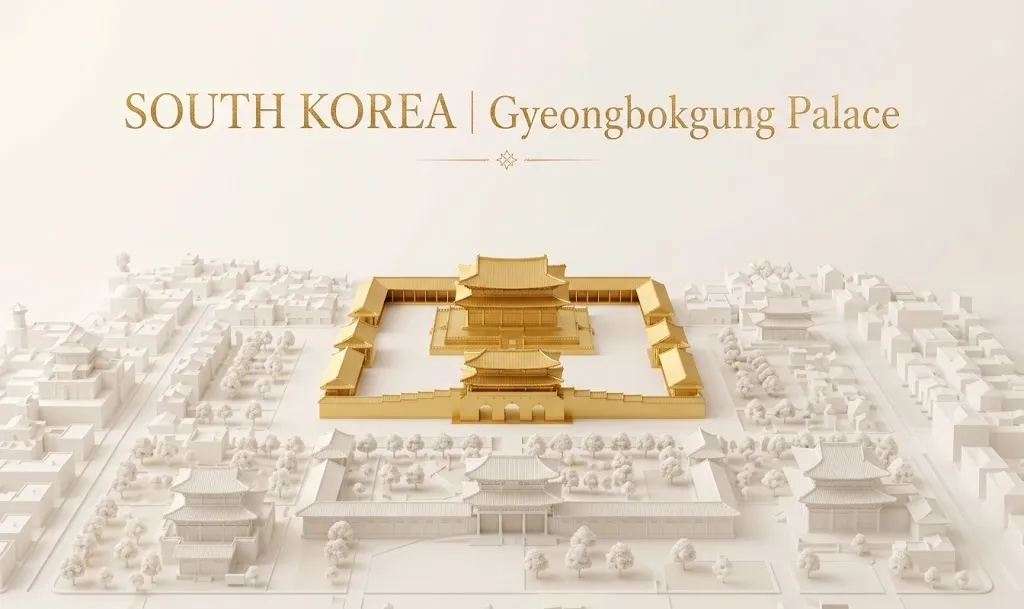
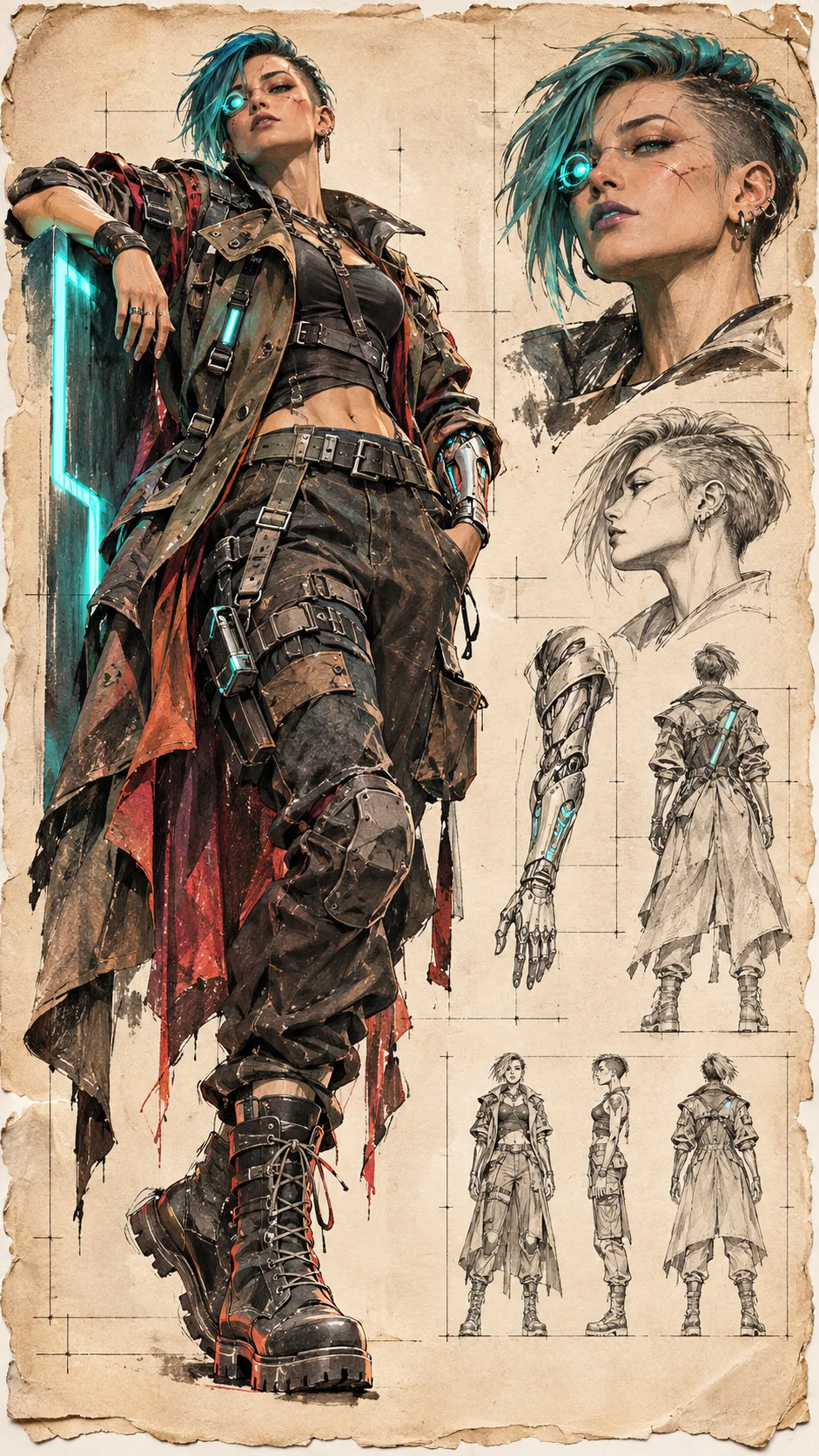
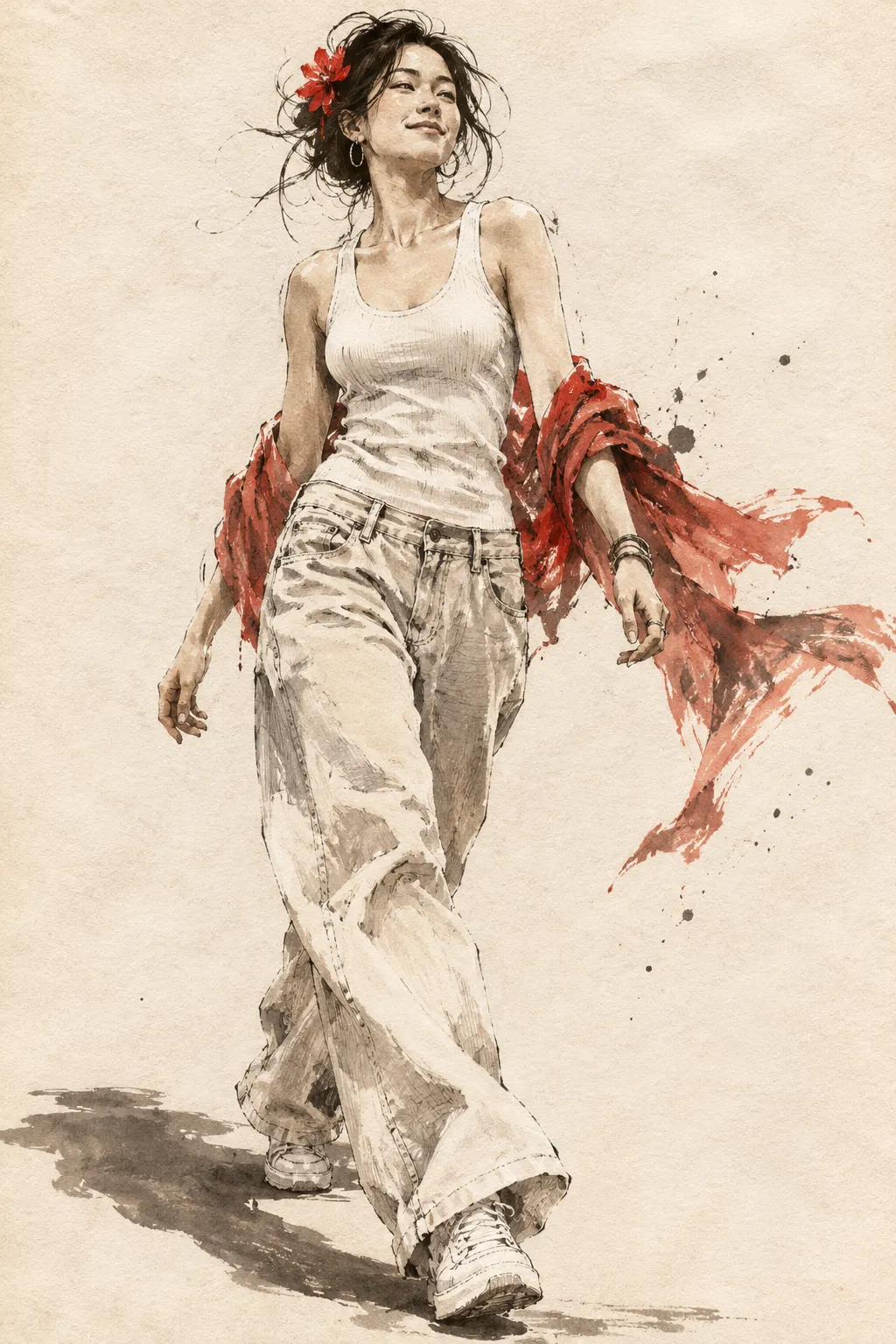
Example outputs
Prompt template
- Format
- Text
- Inputs
- Reference_photo (image) · Required
- Outputs
- Image (image)
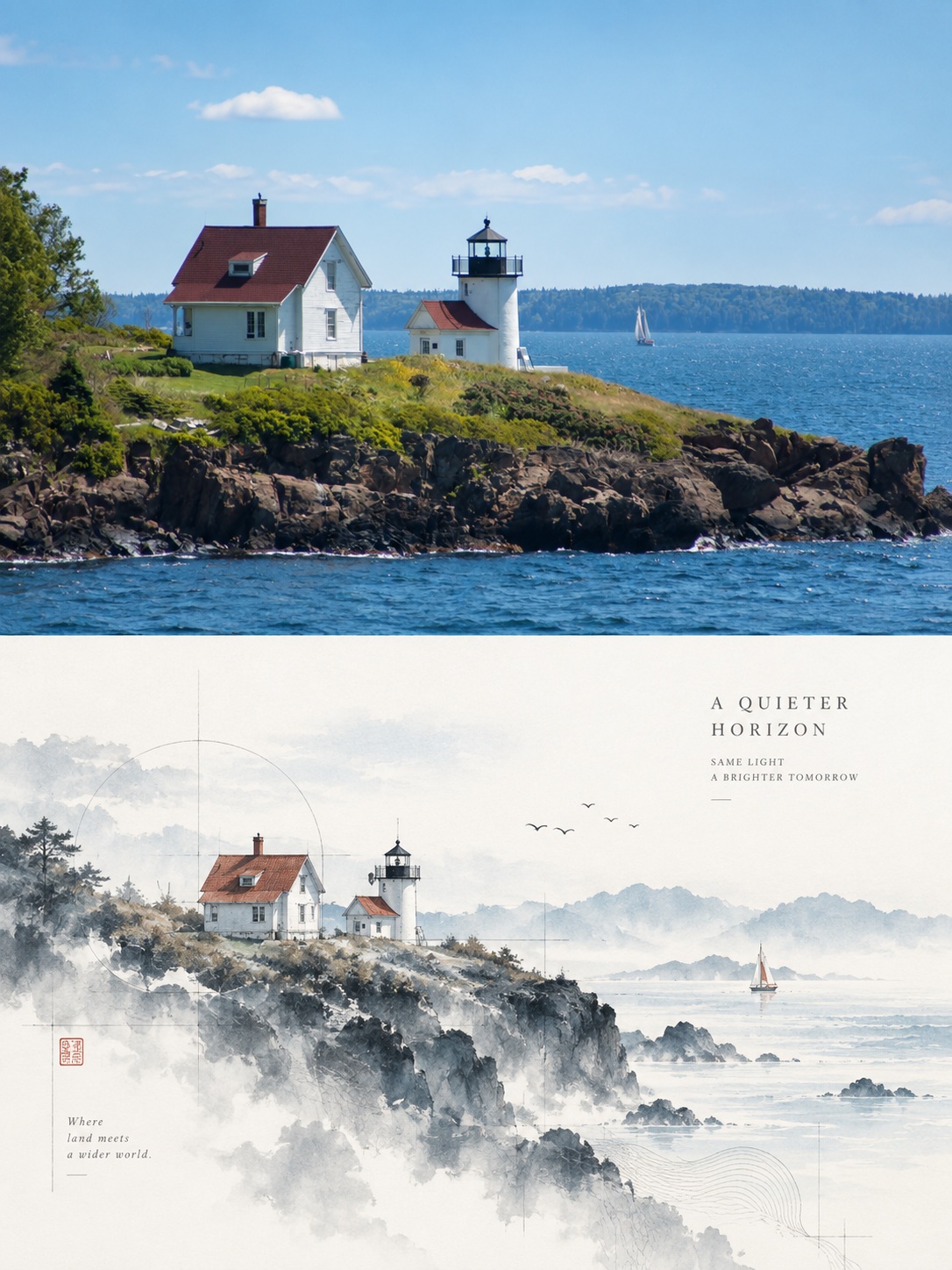
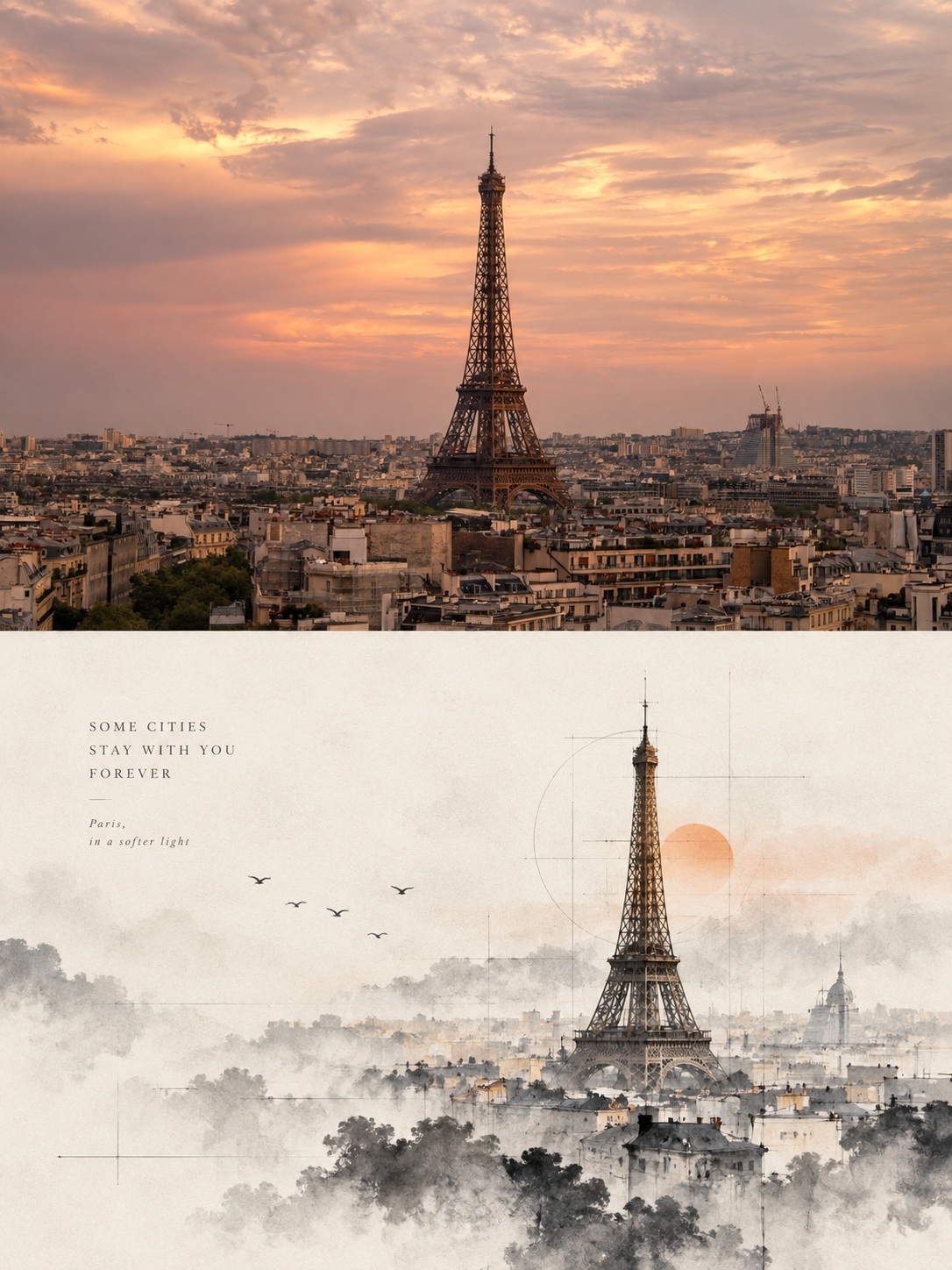
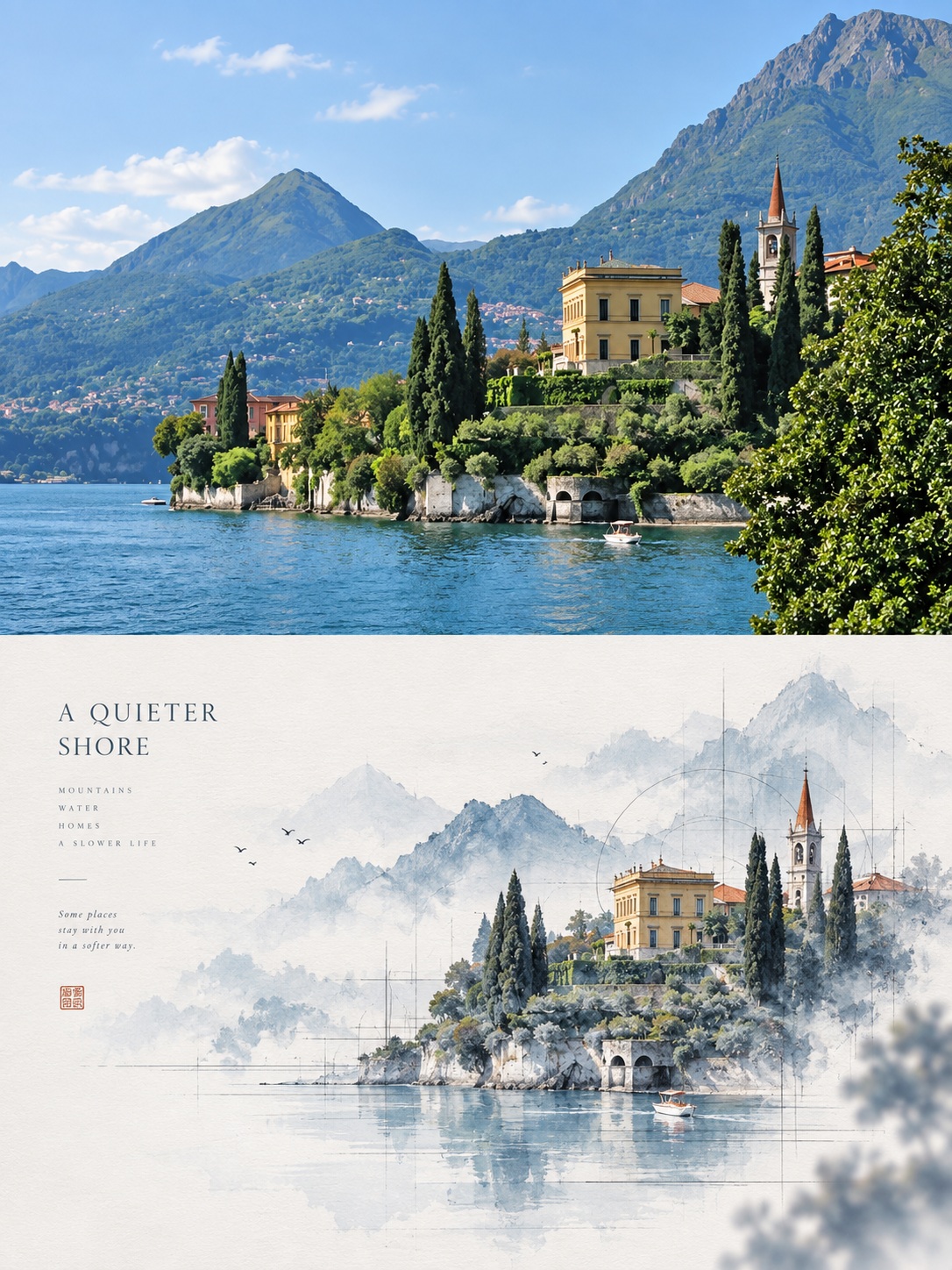
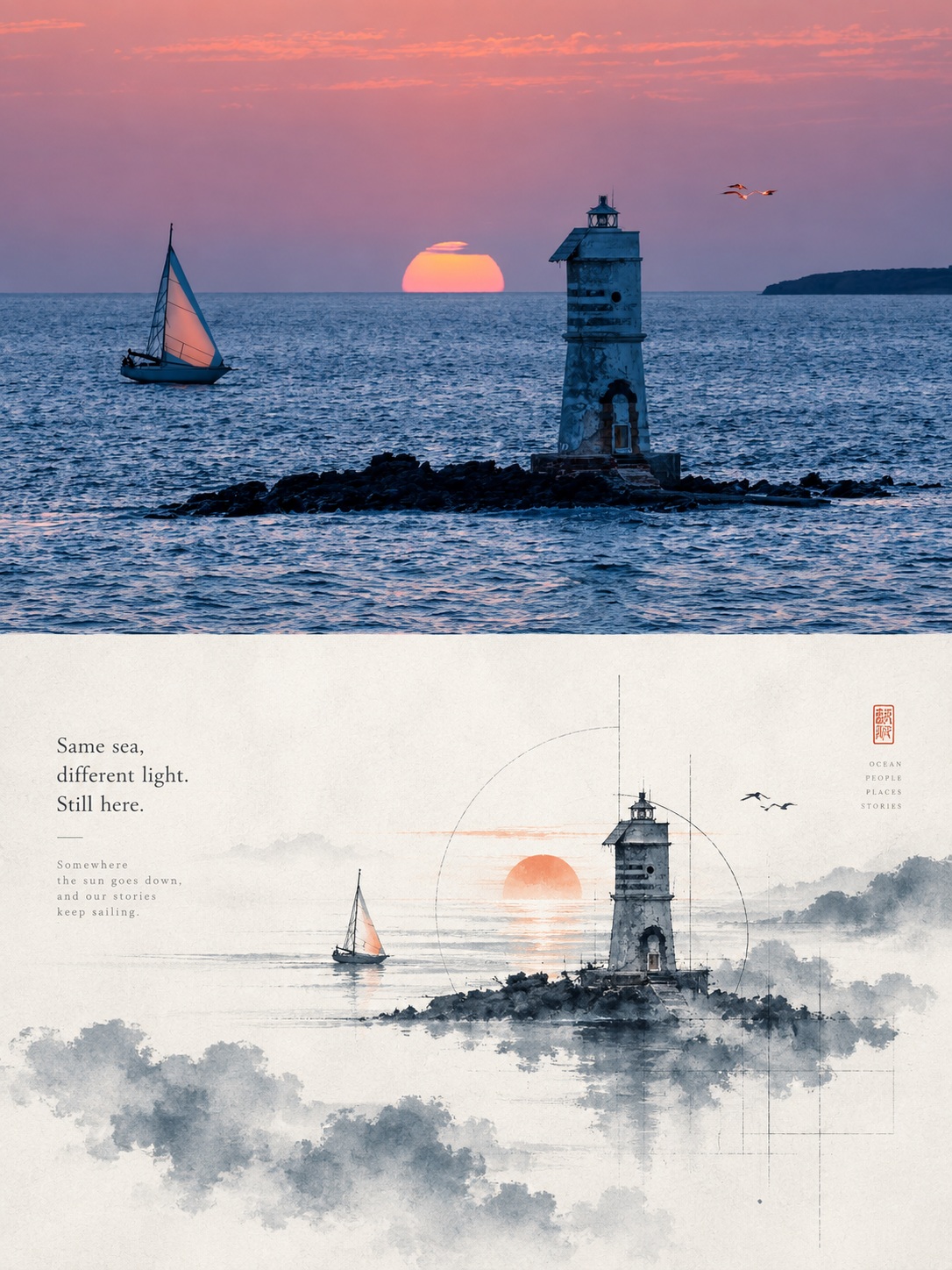
Using the provided reference photo, make the lower half extract only the most recognizable subjects, silhouettes, structures, poses, and narrative relationships. Do not retain every object, copy objects one by one, or recreate the original scene. Actively remove most of the background and unrelated details, keeping only the core visual information that best represents the spirit of the original image. Redesign the composition to make it a stronger, more coherent work.

Reconstruct the lower half’s aesthetic as a New Chinese digital ink-wash architectural concept illustration, or an architectural-linework landscape concept piece. Build on the negative space, clouds and mist, pale ink, and interplay of solid and void in Chinese landscape painting, while blending in the visual language of architectural drawing: fine linework, engineering sketches, structural lines, grid lines, and contour lines. The overall image should feel like a narrative landscape between ink-wash painting, architectural sketch, and concept art—not an ordinary realistic illustration.

Emphasize an exceptionally large amount of deliberate negative space. Treat negative space not as an empty background, but as an important part of the image that can serve as sky, clouds and mist, atmosphere, distance, and emotional space. Compress the main subject into a smaller, more refined focal point. It may be off-center, near an edge, suspended, or partially cropped. Use reduction, rearrangement, changes of scale, and negative space to create a strong sense of breath, spatial depth, and sophisticated layout. Even if the original composition is poor, the background is cluttered, or the subject is small, actively improve the composition.

Use a miniature narrative landscape or diorama approach. Mountains, platforms, pavilions, buildings, people, plants, or objects may be transformed into a more conceptual miniature spatial system. The subject does not need to appear complete or at realistic scale; it may instead appear as smaller structures, structural fragments, or scene symbols embedded in the mountains and space to strengthen the narrative and poetic quality. A tilt-shift or shallow-depth-of-field effect may be used: slightly soften the foreground and distant background while keeping the middle ground relatively clear, creating the viewing impression of a miniature model.
What you'll create
The lower scene extracts essential silhouettes and relationships instead of copying every object. Pale ink, mist, fine construction lines and negative space create a poetic architectural miniature impression.
Frequently asked questions
Must every source object remain?
No. Unrelated background details are deliberately removed.
What visual traditions are combined?
Chinese landscape-painting space and mist combine with architectural drawing and structural linework.






Comments
Tried this prompt? Share what you made, compare results, or ask a question