Expressive Mixed-Media Portrait from a Photo
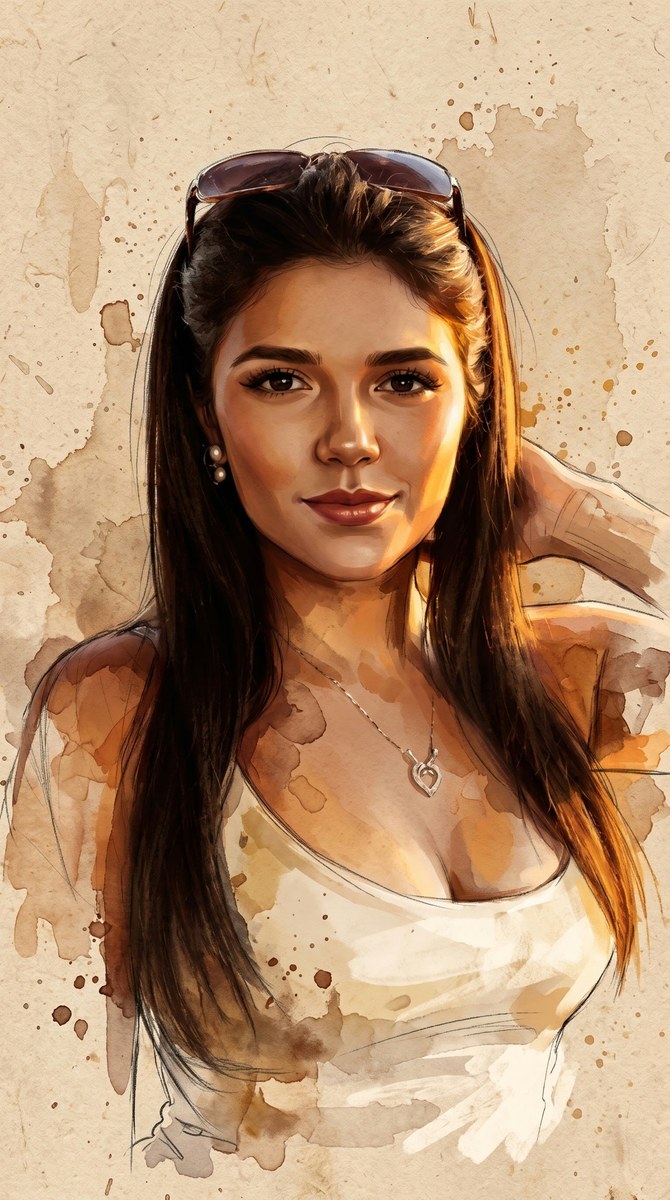
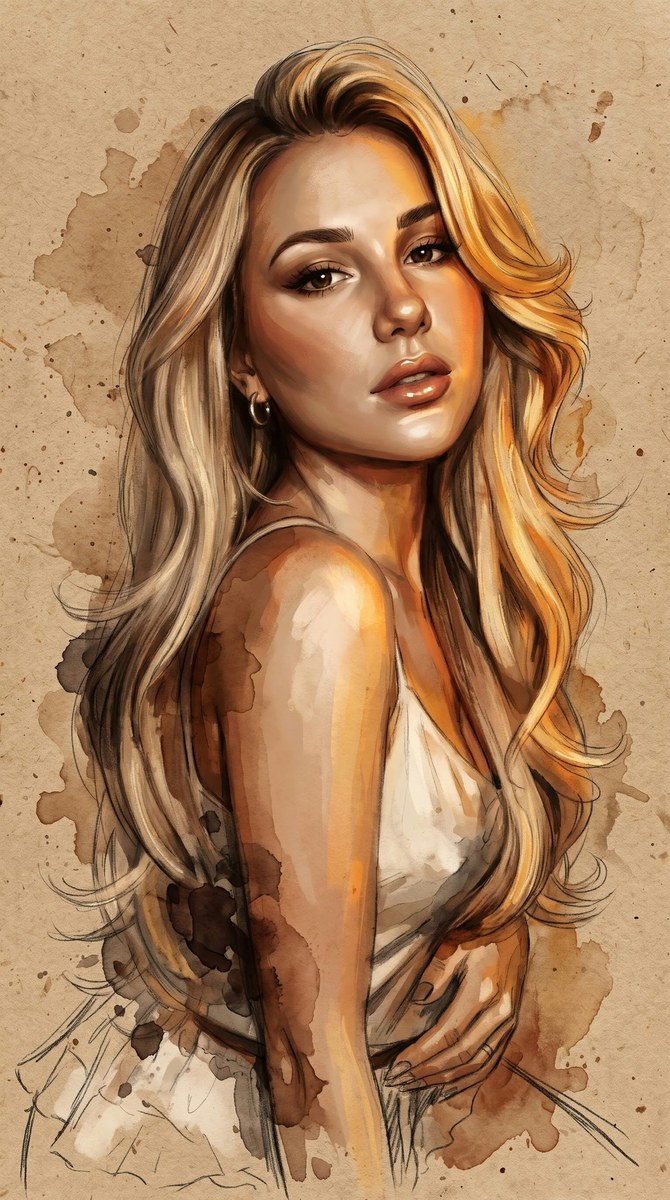
Transform a reference photo into a warm-toned watercolor, graphite, and digital-painting portrait that dissolves into textured paper while preserving the person’s recognizable identity.
Example outputs
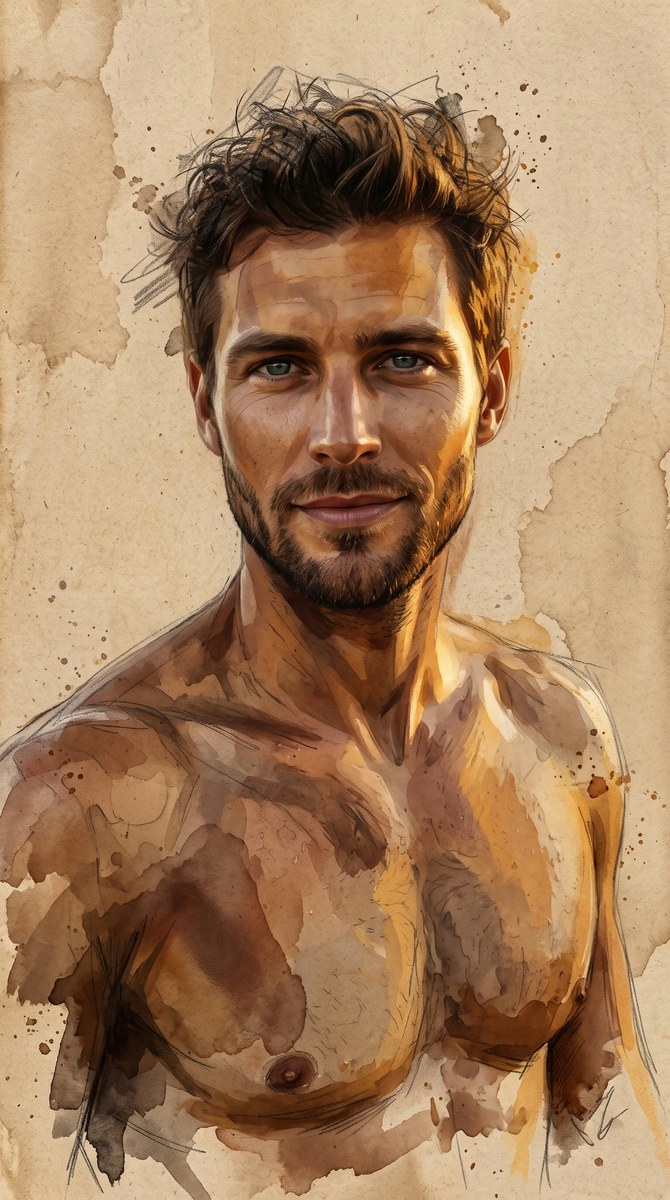
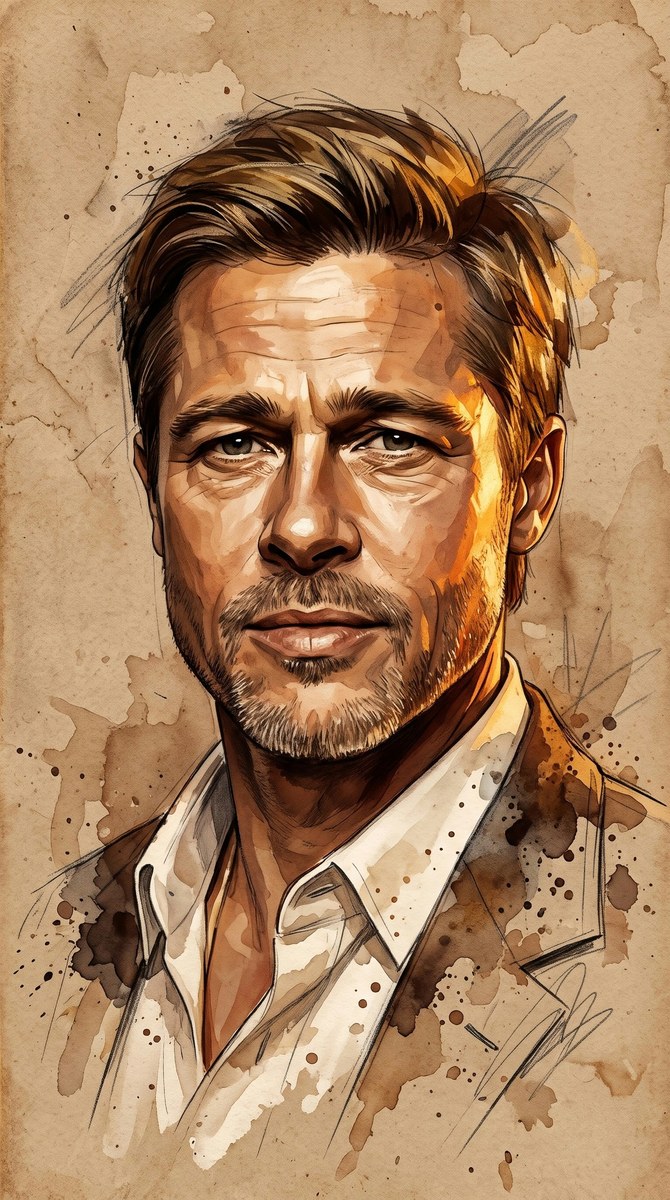
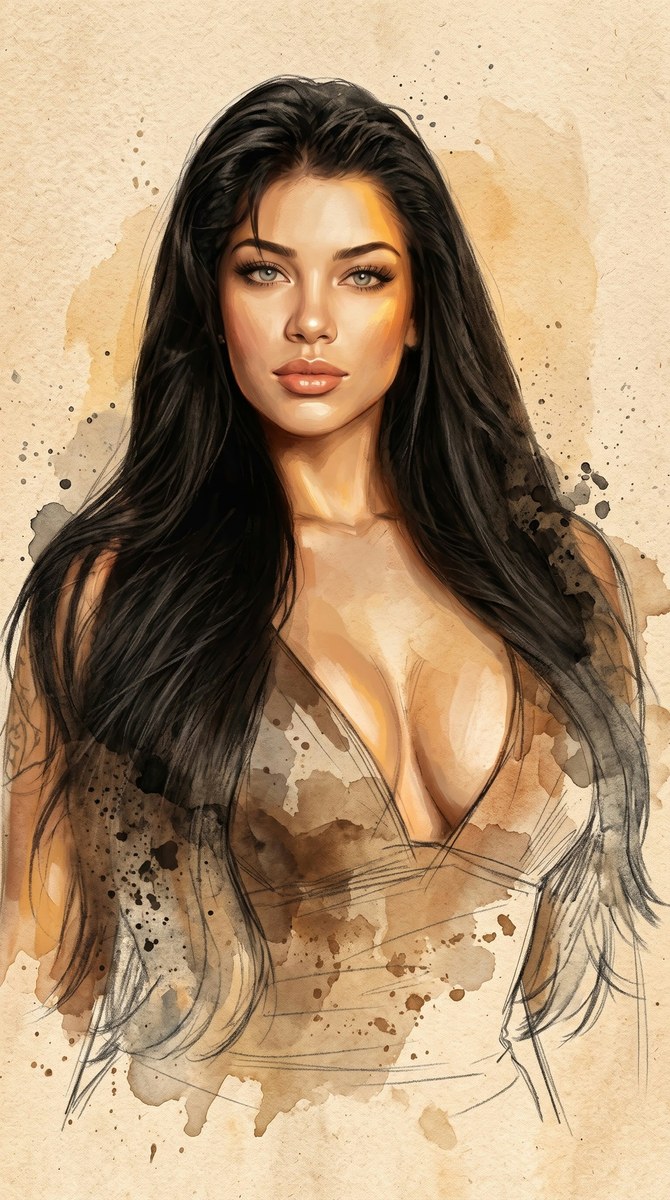
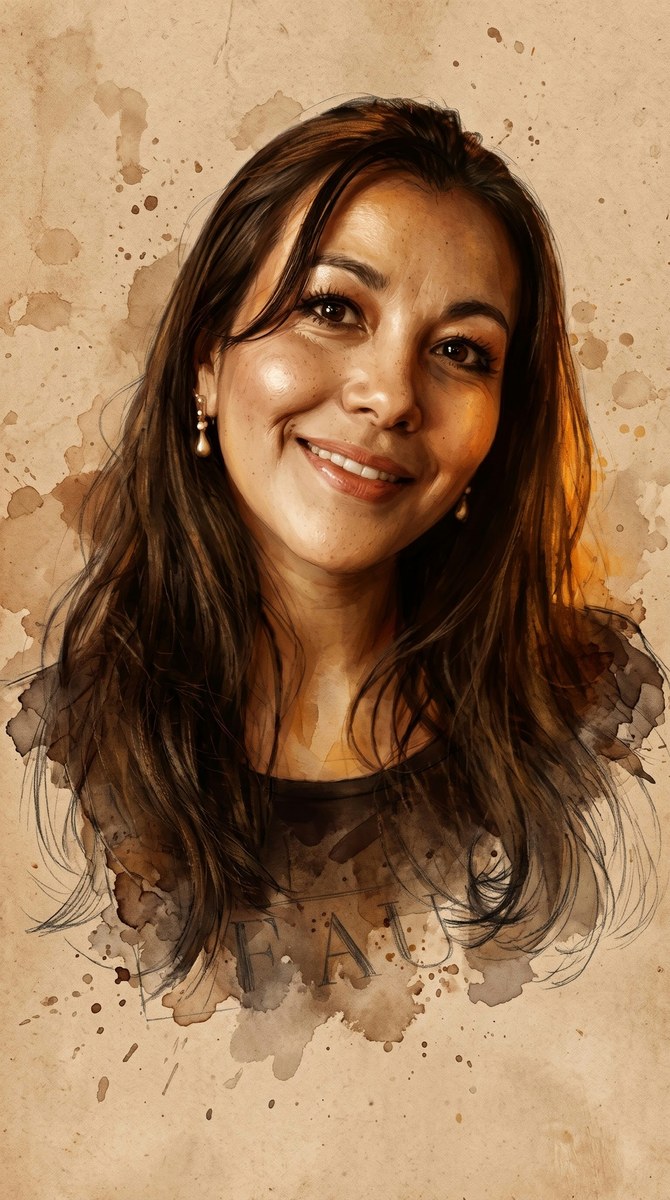
Prompt template
- Format
- Text
- Inputs
- Reference_photo (image) · Required
- Outputs
- Mixed_media_portrait (image)
Use the provided photograph as the primary reference for the person’s identity, face, anatomy, and physical features. Reinterpret and transform the photograph into an artistic editorial illustration of ultra-premium, museum-quality mixed-media technique, combining classical watercolor realism, cinematic semi-realistic digital painting, expressive graphite drawing, and contemporary fine-art illustration.

ARTISTIC REINTERPRETATION OF THE PHOTOGRAPH:

Do not reproduce the photograph literally or merely apply an artistic filter to it. Creatively reinterpret the image to fully adapt it to the composition, aesthetic, lighting, and painterly language of the artwork.

Rigorously preserve the person’s identity: facial structure, head shape, eyes, nose, lips, jaw, anatomical proportions, skin tone, apparent age, and distinctive features. The person must remain immediately recognizable as the same person in the original photograph.

Use the original pose, framing, and body orientation as a starting point, but allow natural artistic adjustments to achieve a balanced and visually striking editorial composition. If necessary, reinterpret the posture, direction of light, volume, and arrangement of forms so the subject integrates organically into the artwork.

TREATMENT OF THE SUBJECT:

Render the face and main anatomical areas with refined sculptural realism, soft painterly skin, natural texture, subtly visible pores, and delicate luminous highlights.

The face must be the area of greatest definition and artistic precision. The hair, clothing, and body should progressively transform into expressive brushstrokes, watercolor pigments, and spontaneous graphite marks.

Avoid the appearance of a photographic cutout pasted onto an artistic background. The entire figure must belong to the same painting.

LIGHTING AND COLOR:

Apply warm cinematic lighting inspired by Renaissance chiaroscuro. One side of the face and body should receive intense golden and orange light, while the opposite areas take on deep earth-toned shadows.

Use a palette dominated by burnt umber, deep sepia, raw sienna, golden ochre, warm ivory, parchment beige, cacao, espresso brown, and amber highlights.

Use intense, saturated, dense pigments, with thick, opaque, visible brushstrokes, organic transitions, and delicate watercolor gradients.

ARTISTIC LANGUAGE AND MIXED-MEDIA TECHNIQUE:

Combine high-density traditional watercolor with semi-realistic digital painting, constructive graphite strokes, anatomical sketch lines, spontaneous gestural doodles, and freehand marks.

Include visible graphite lines around the hair, shoulders, clothing, and selected anatomical areas. Add construction marks that appear to be part of the original creative process.

The brushstrokes should have character, texture, and spontaneity. Avoid excessively smooth surfaces, plastic effects, or the appearance of conventional digital illustration.

ESSENTIAL ELEMENT: AN UNFINISHED FIGURE INTEGRATED WITH THE PAPER.

The person must not appear completely finished.

The face should retain a high level of artistic definition, but the hair, shoulders, clothing, arms, and lower body should progressively dissolve into the background.

The upper and side edges—and especially the lower part of the figure—should remain partially unfinished, as if the artist had deliberately interrupted the painting.

Integrate areas of anatomy that transform into loose brushstrokes, scattered pigments, watercolor stains, graphite lines, and gestural marks.

Allow selected parts of the figure to gradually disappear between the paper and the paint, leaving visible drawing fragments and unfinished areas.

Do not use rigid outlines to define the unfinished areas. The pigments should spread, fragment, and fade naturally across the paper.

The result should convey the feeling of an artwork in progress, with the person emerging from the paper and blending with the painting materials.

BACKGROUND AND COMPOSITION:

Replace the photograph’s original background with a surface of handmade watercolor paper or aged brown cardboard, with a matte texture, natural fibers, organic stains, irregular pigments, and subtle signs of artistic work.

Integrate the person into this background without creating an artificial separation between figure and setting.

Maintain a minimalist, sophisticated, balanced editorial composition with the aesthetic of a luxury museum art poster.

FINAL RESULT:

A complete artistic reinterpretation of the original photograph, transformed into an editorial mixed-media artwork with the appearance of a traditional studio painting.

Expressive realism, precise anatomy, perfectly recognizable identity, cinematic Renaissance lighting, rich pigments, dense watercolor, expressive graphite, visible brushstrokes, and a partially unfinished figure blending into the paper.

Museum quality, premium handcrafted finish, exceptional visual depth, ultra-detailed, 8K quality, vertical 9:16 composition.

RESTRICTIONS:

- Do not change the person’s identity or invent a different face.
- Do not artificially beautify the person or alter their features.
- Do not retain the original photographic background.
- Do not create a photographic portrait with a simple watercolor filter.
- Do not turn the entire figure into a completely finished illustration.
- Do not use hard edges or cutout silhouettes.
- Do not use cool or neon colors, or saturation outside the warm palette.
- Do not include typography, logos, or watermarks.
- Avoid the appearance of generic digital art.

ABSOLUTE PRIORITY: preserve the person’s identity and creatively transform the photograph into an authentic watercolor, graphite, and editorial-painting artwork, with a figure that emerges from the paper and remains partially unfinished.
What you'll create
A recognizable photo subject emerges from paper through expressive drawing and warm painterly surfaces. Parts of the figure dissolve into an unfinished edge, balancing identity with loose artistic reinterpretation.
Usage instructions
Provide the photo whose identity and physical features should guide the portrait. The prompt turns it into a unified mixed-media artwork, preserving the person’s features while dissolving parts of the figure into the paper. The reference photo determines the starting pose and framing; adjust those only as needed for a balanced editorial composition.
Frequently asked questions
Are neon or cool colors requested?
No. The palette stays warm.
Should the figure have a hard cutout edge?
No. Hard edges and cutout silhouettes are excluded.




Comments
Tried this prompt? Share what you made, compare results, or ask a question