Photo-Based Modular Illustration Poster
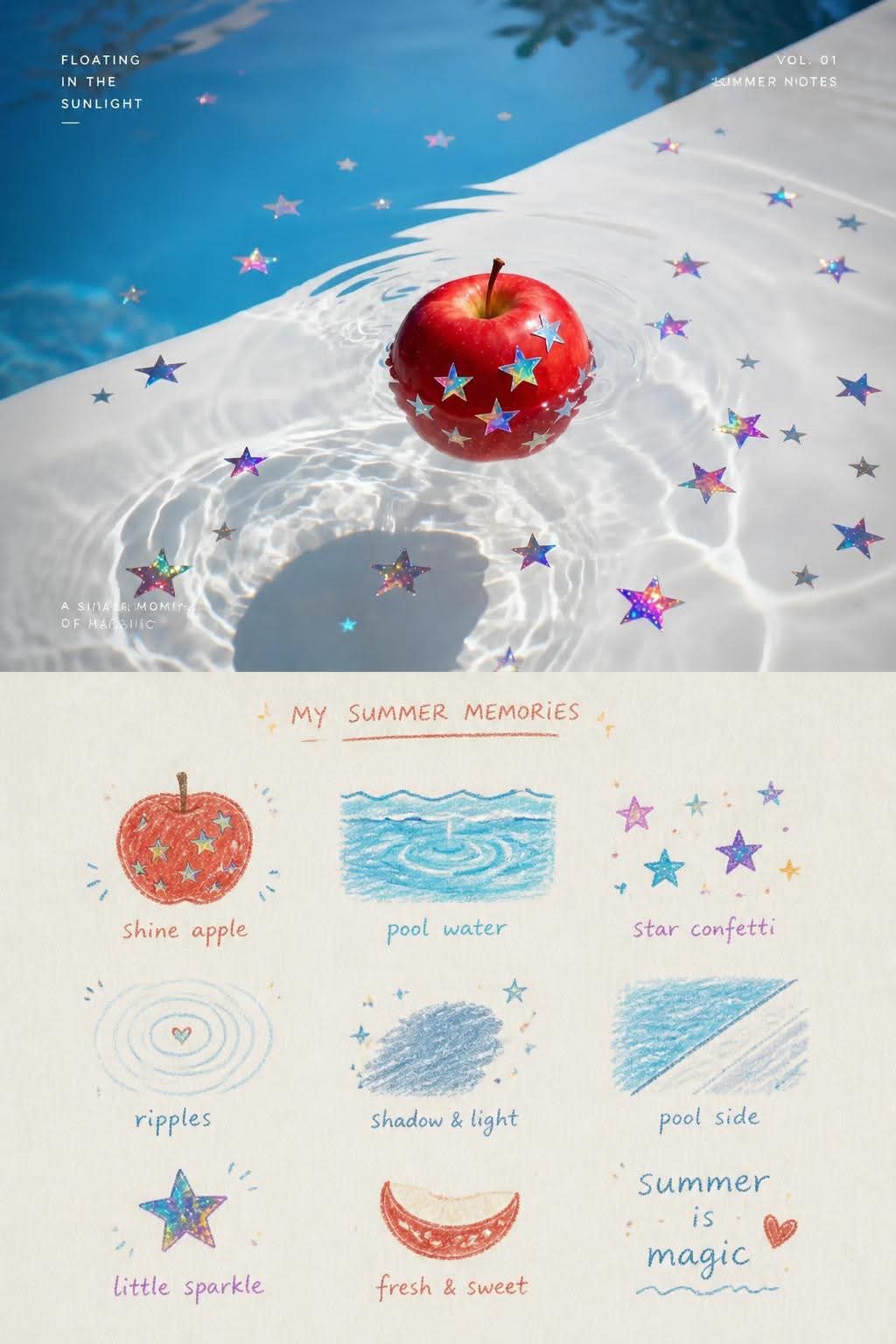
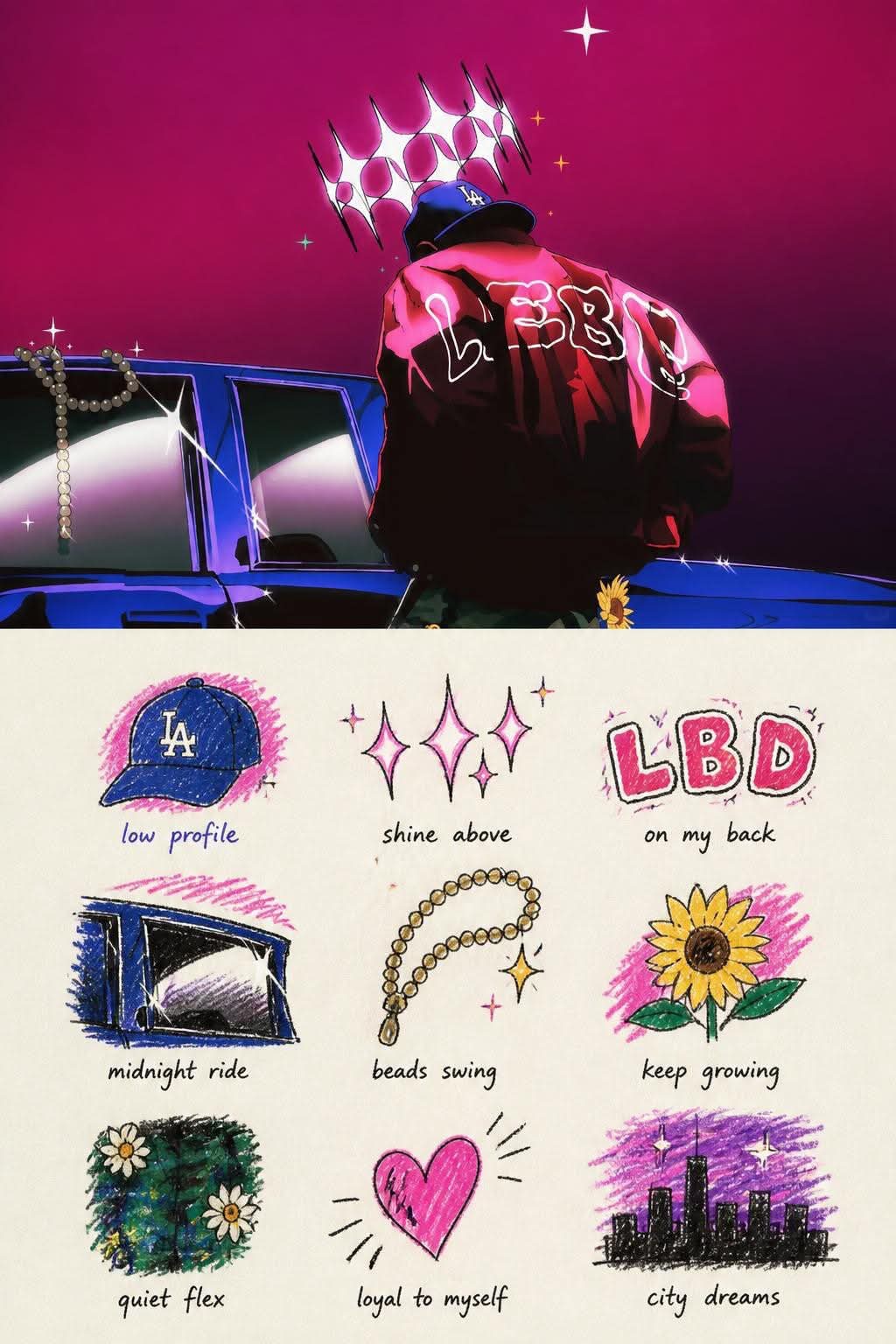
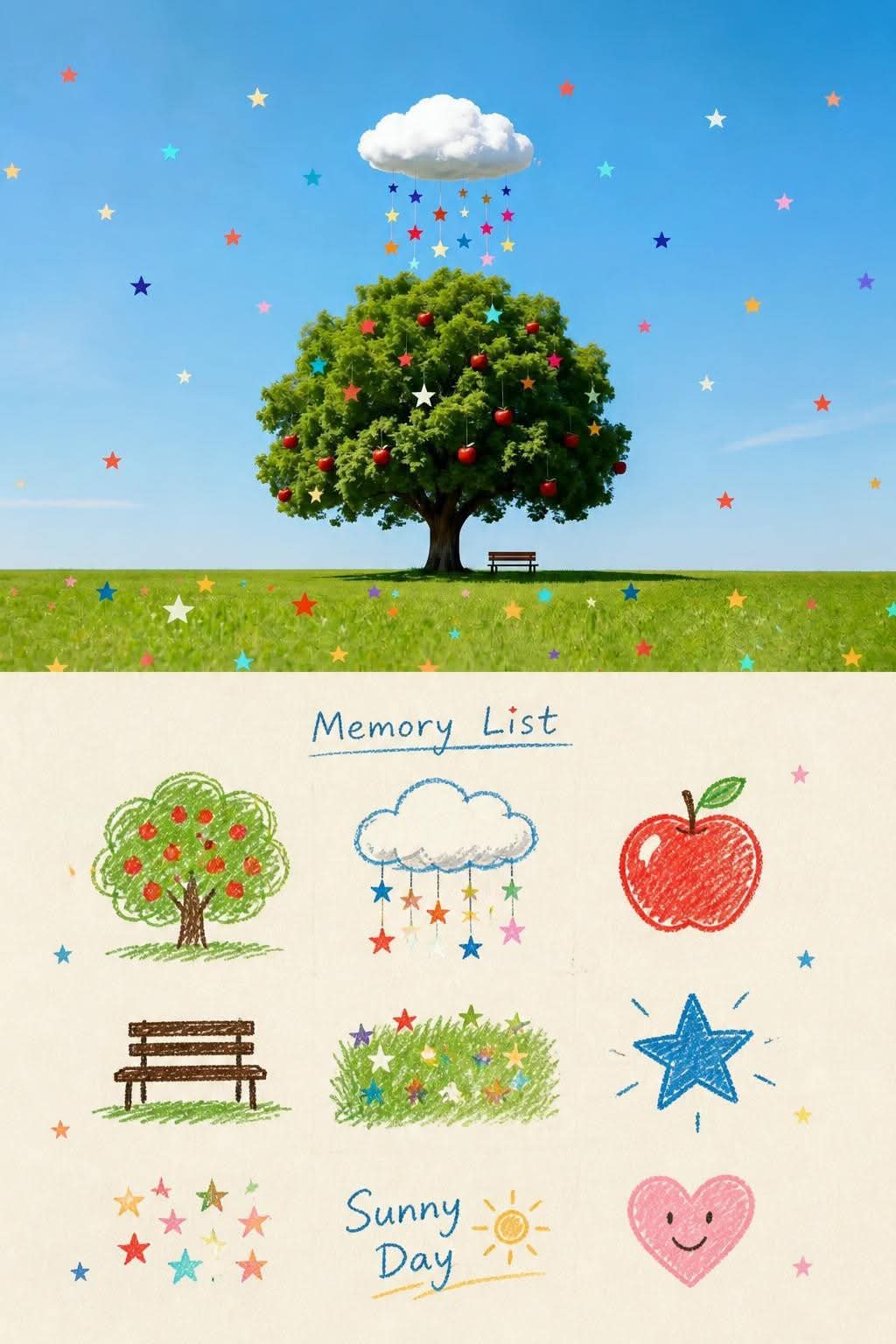
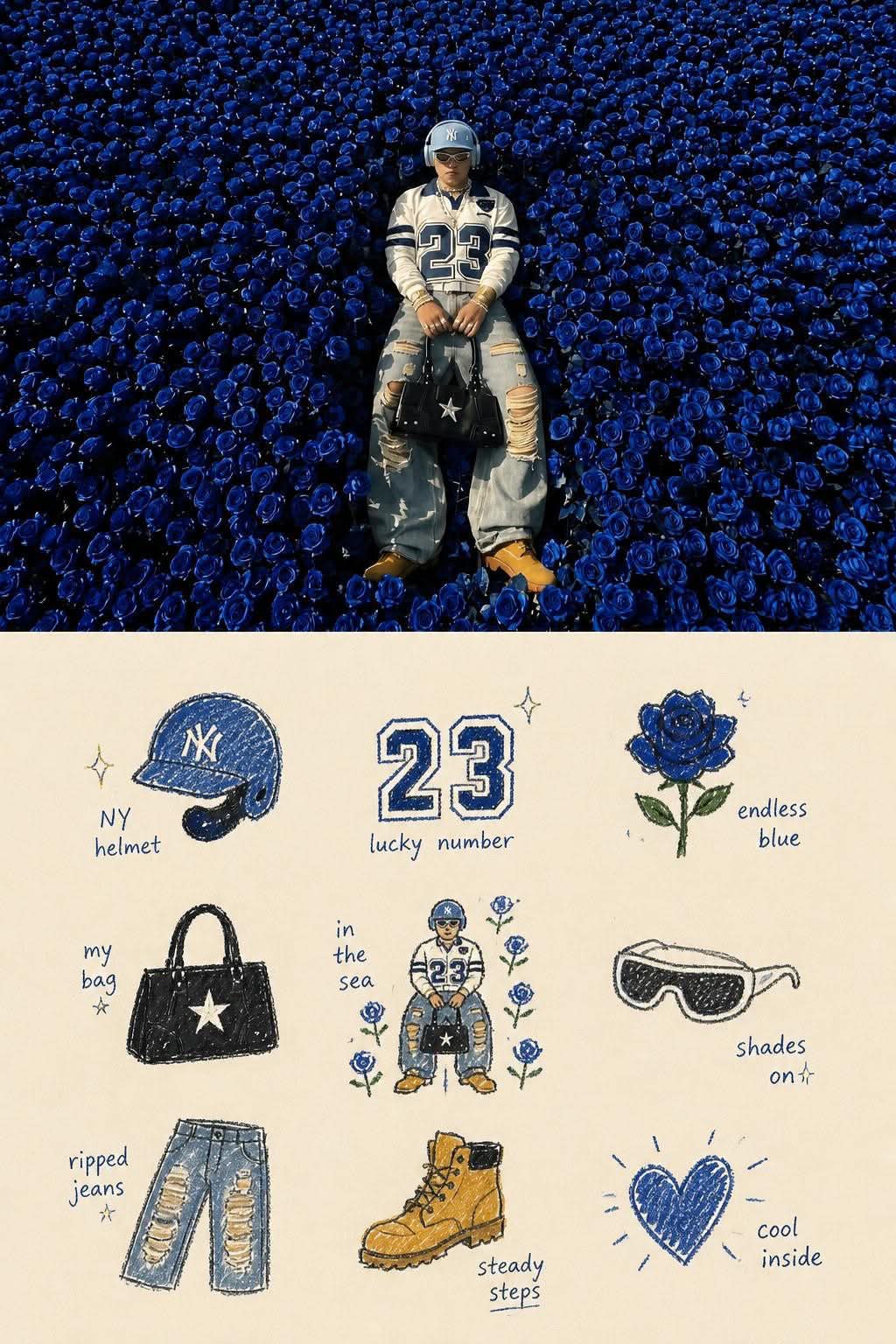
Create a separate 3:4 editorial poster for each uploaded photo, pairing the original photograph with a loose grid of nine hand-drawn illustrated memory cues.
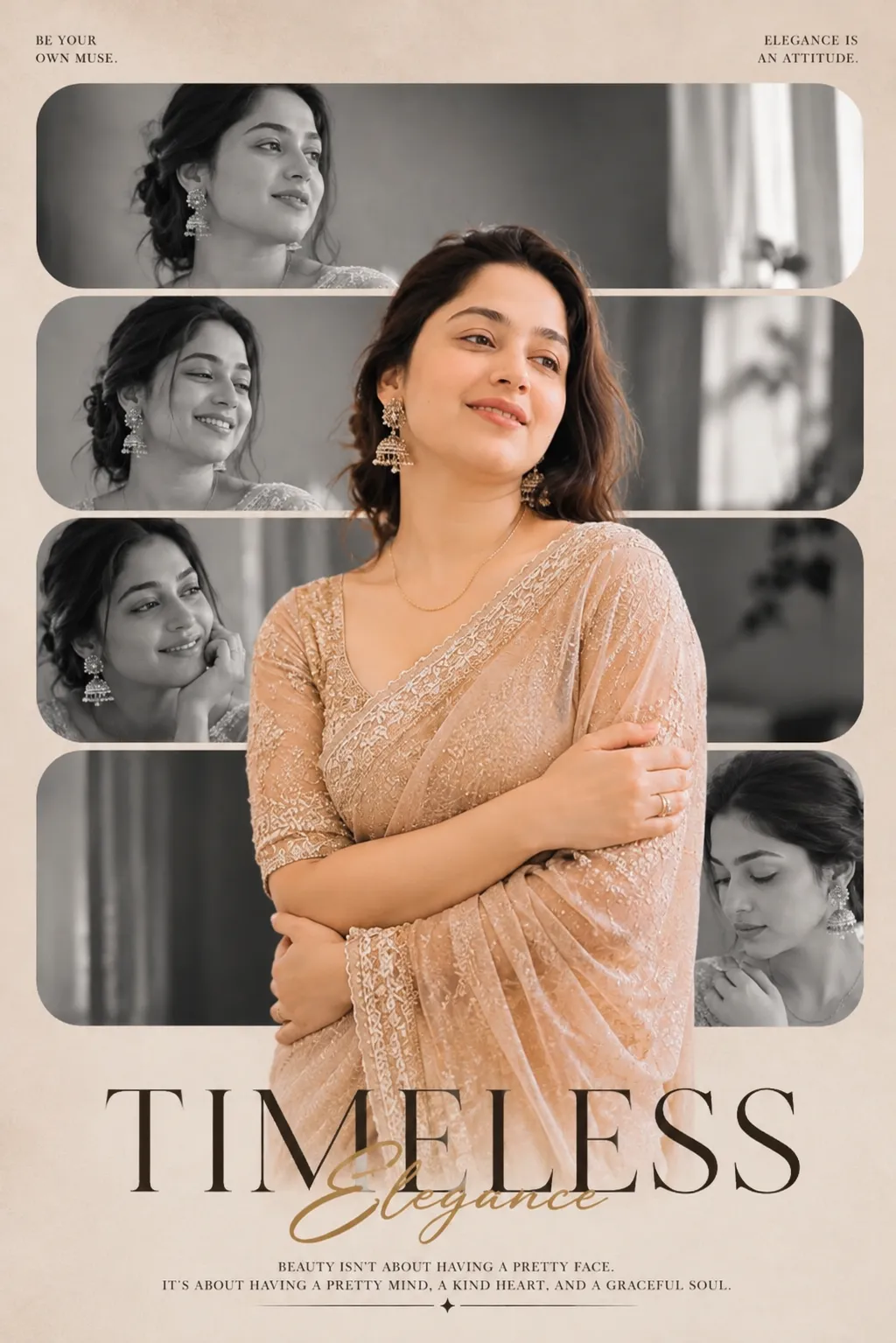
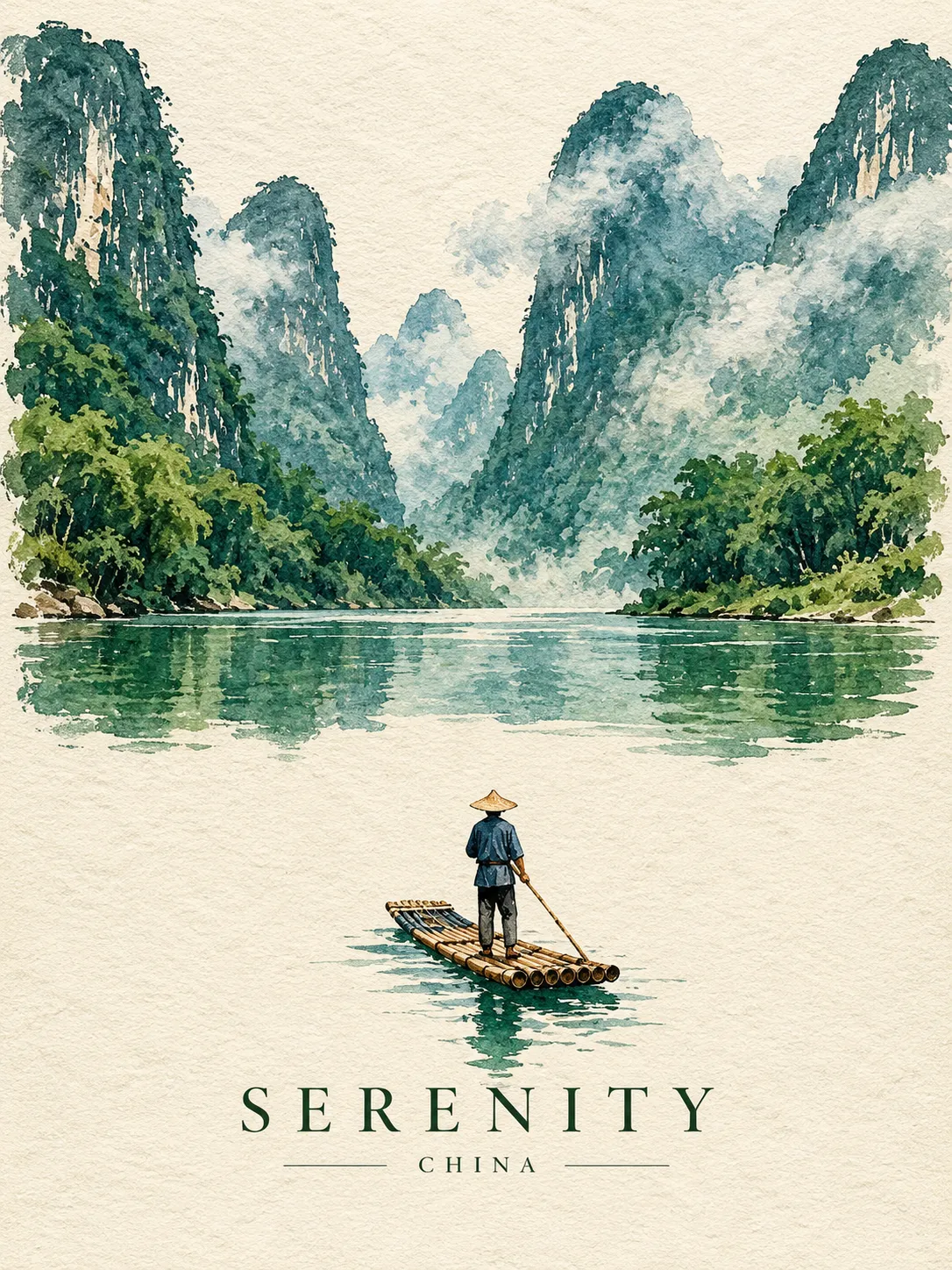
Example outputs
Prompt template
- Format
- Text
- Inputs
- Uploaded_photo (image) · Required
- Outputs
- Designed_poster (image)
Create one separate, high-end design poster for each uploaded photo. Do not combine multiple photos into a collage; output each photo as its own poster.

Use a 3:4 portrait composition divided into two equal-height sections, with a strict 1:1 height ratio: each section occupies 50% of the image.

In the upper section, preserve the original photo. Keep the subject’s identity, structure, pose, realistic texture, natural lighting, and original color atmosphere. Apply only subtle, refined color grading to give it the feel of an art magazine, independent publication, or exhibition image. You may naturally extend the environmental background to fit the composition, but do not stretch, distort, or alter the subject.

In the lower section, identify the photo’s most recognizable subject, local details, clues to actions, object details, and narrative relationships. Reconstruct them as a visual system combining a modular 3×3 icon grid, naïve hand-drawn doodle illustrations, crayon or colored-pencil grain, and handwritten text.

Do not fully reproduce the original image or make a realistic illustration. Instead, distill its complex information into the nine visual units most worth remembering. These may include the subject itself, distinctive details, personal belongings, plants, food, transportation, poses, symbols of emotion, or small memorable elements of the scene. Each unit must extend the meaning of the same photo above, so the nine units read as a “memory list” belonging to that photo.

Use an implicit, loose 3×3 grid as the underlying structure. The grid does not need to be perfectly regular: vary each icon’s position, size, angle, and placement slightly to create an organic grid that feels ordered but not mechanical.
What you'll create
The upper half preserves the source scene while small related icons fill an implicit grid below. Varied angle and scale keep the scene-derived units ordered without mechanical repetition.
Frequently asked questions
Must every unit be unrelated decoration?
No. All nine extend the meaning of the same photo.
Is the grid perfectly rigid?
No. Positions and sizes vary organically.




Comments
Tried this prompt? Share what you made, compare results, or ask a question