Two-Part Minimalist Editorial Photo Poster
Turn each uploaded photograph into its own premium editorial poster, pairing the original image with a minimalist geometric artwork. The layout, colors, and typography adapt to each photograph while preserving its main subject.
Example outputs
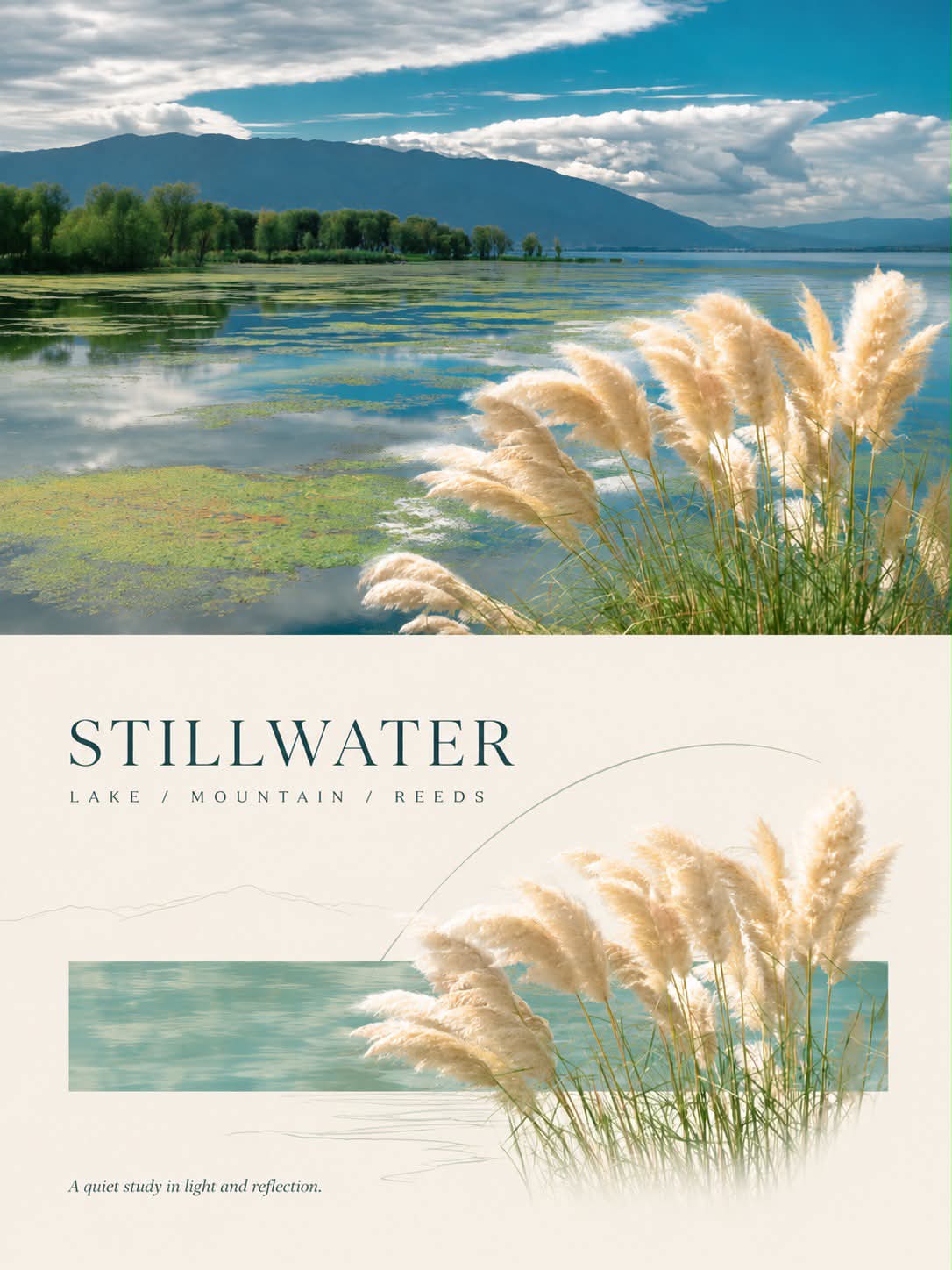
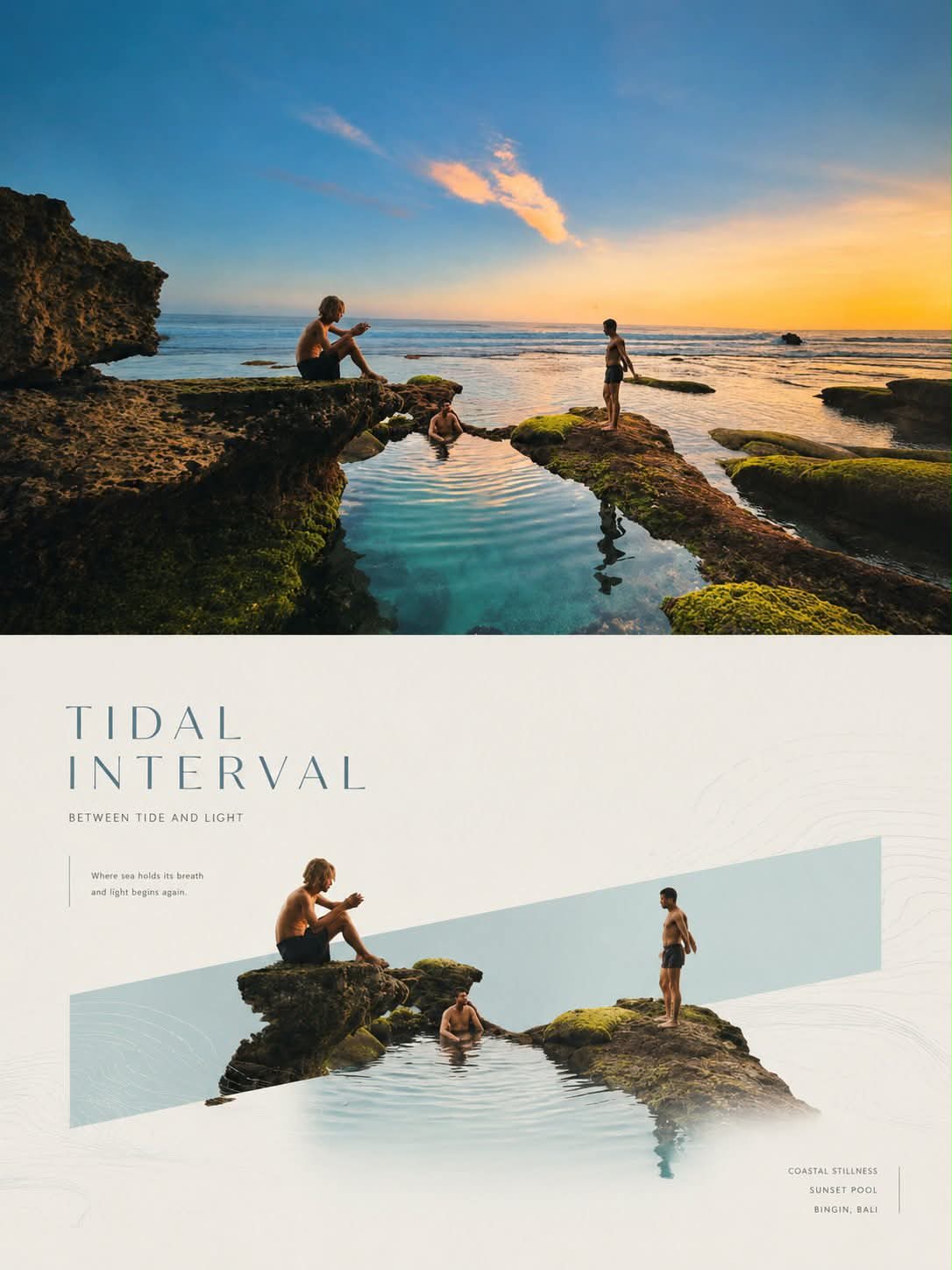
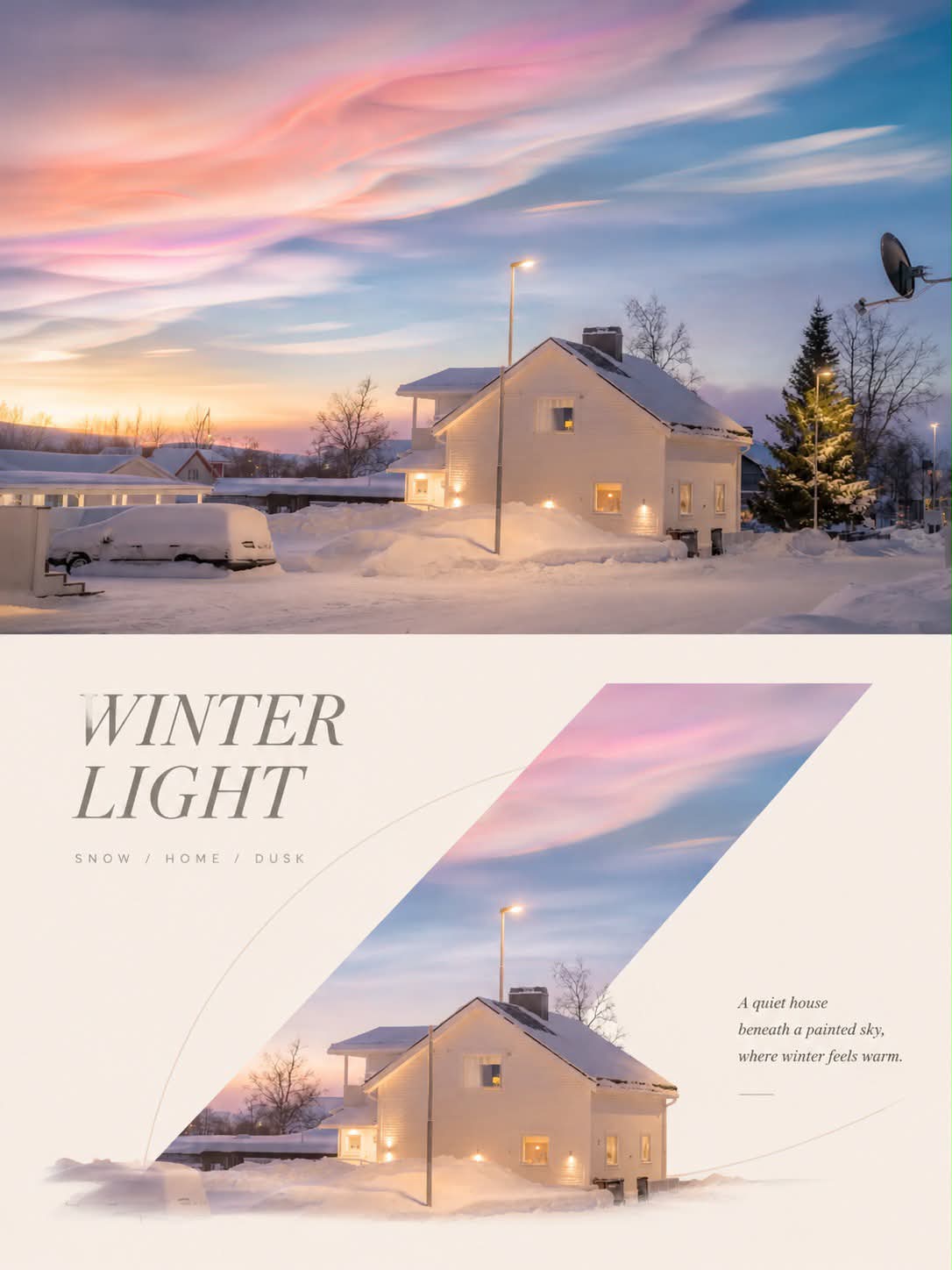
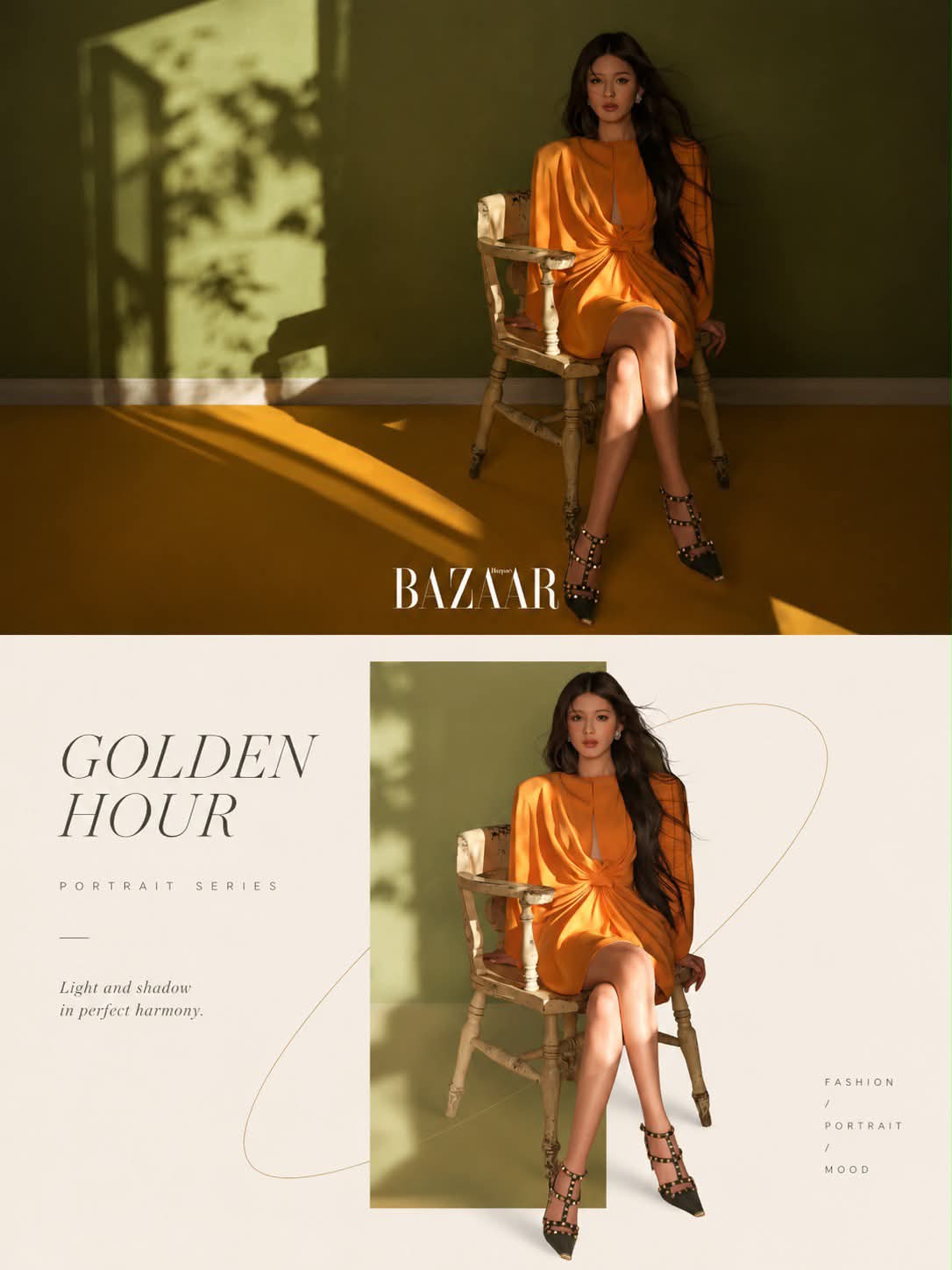
Prompt template
- Format
- Text
- Inputs
- Photograph (image) · Required
- Outputs
- Editorialposter (image)
Please transform each uploaded photograph into a separate, individually designed premium editorial poster. Do not combine multiple photographs into a collage. Each photograph must produce its own standalone poster.

FORMAT & LAYOUT

Use a vertical 3:4 aspect ratio. Divide the composition into two equal horizontal sections, with an exact 50/50 height ratio.

TOP SECTION: ORIGINAL PHOTOGRAPH

Preserve the original photograph, maintaining the subject’s structure, realistic textures, natural lighting, and original color atmosphere. Apply only subtle, sophisticated photographic color grading to achieve the refined aesthetic of a luxury brand campaign, art magazine, or contemporary gallery exhibition.

You may naturally extend the sky, ground, or surrounding environment to fit the composition, but the main subject must remain unchanged.

BOTTOM SECTION: MINIMALIST EDITORIAL ARTWORK

Extract the most recognizable elements of the photograph, including the main subject, silhouette, posture, movement, and narrative relationships. Reconstruct them as a minimalist visual composition with sophisticated commercial art direction.

The central concept is:

“REAL OBJECTS PASSING THROUGH GEOMETRIC WINDOWS OF EMOTION.”

Introduce a narrow, restrained, low-saturation geometric color block that serves as a visual anchor and spatial container.

The orientation of this shape is flexible. It can be horizontal, vertical, or diagonal, depending on the subject’s center of gravity, movement, silhouette, and overall compositional rhythm.

Integrate the subject into the geometric shape using realistic photography or highly refined photorealistic rendering. Allow parts of the subject to cross, break through, extend beyond, or emerge from the boundaries of the shape.

This interaction should create a sense of natural growth, spatial depth, visual penetration, and effortless breathing room.

COMPOSITION & NEGATIVE SPACE

Maintain a minimalist, clean, and balanced composition.

Establish visual hierarchy through:

Geometric color blocks.
The relationship between the subject and the shape’s boundaries.
Generous negative space.
A single, clearly defined focal point.

The subject may be centered, asymmetrically positioned, vertically elongated, or horizontally extended, depending on what works best for the original photograph.

Use white, light gray, or very pale warm tones as the primary background.

Optional subtle supporting details may include delicate cultural patterns, fine linear graphics, topographic contours, flowing water lines, light-shadow silhouettes, or abstract symbols. These elements should remain understated and never compete with the main subject.

COLOR PALETTE

Extract the most distinctive and expressive colors from the original photograph and translate them into a sophisticated visual system:

Light geometric shape + authentic subject colors + minimal neutral typography.

The geometric element may use muted shades such as:

Misty blue.
Pale cyan.
Warm ivory.
Soft blush pink.
Warm gray.
Light champagne gold.
Other pale tones that complement the original photograph.

The overall palette should feel light, harmonious, modern, clean, and refined.

TYPOGRAPHY & EDITORIAL DESIGN

Typography should feel like an organic part of the composition rather than an added decoration.

Derive a short, meaningful English title from the photograph’s subject, atmosphere, movement, condition, or symbolic meaning.

Complement it with a small amount of supporting information, such as a subtitle, location, descriptive keyword, or micro-annotation.

Typography may be arranged horizontally, vertically, or along the geometric shape and the subject’s silhouette.

Use small, elegant type, lightweight fonts, generous letter spacing, and precise alignment.

The overall typographic direction should evoke luxury real estate campaigns, high-end fashion brands, contemporary art publications, and sophisticated seasonal editorial design.

OVERALL ART DIRECTION

The visual identity should combine:

Eastern aesthetics and the art of negative space.
Modern geometric order.
Natural vitality and organic movement.
Premium commercial art direction.
Sophisticated editorial typography.
Photorealism and spatial experimentation.

Regardless of whether the photograph features a person, animal, plant, building, object, food, vehicle, or natural landscape, preserve the visual identity of the original subject.

Create an elegant and coherent visual dialogue between the authentic photograph and the geometric editorial artwork.

IMPORTANT REQUIREMENTS

Each uploaded photograph must be processed independently.
Output one separate poster per photograph.
Never merge multiple photographs into a single composition.
Maintain the exact vertical 3:4 format.
Keep the top and bottom sections at precisely 50% each.
Preserve the original subject without changing its identity or essential appearance.
Adapt the geometric shape, color palette, and typography to each individual photograph.
Avoid generic templates. Every poster should feel individually art-directed.
Prioritize refined minimalism, photorealism, sophisticated typography, and premium visual quality.
What you'll create
This prompt creates a separate vertical editorial poster for each uploaded photograph, with the original photo in the top half and a minimalist artwork in the bottom half. The artwork combines photorealistic subject imagery, restrained geometric forms, generous negative space, and refined typography.
Usage instructions
Frequently asked questions
How should the geometric shape relate to the subject?
Adapt its orientation and placement to the subject’s center of gravity, movement, silhouette, and compositional rhythm
What kind of text should appear on the poster?
Use a short English title inspired by the photograph, with a small amount of supporting information such as a subtitle, location, keyword, or micro-annotation
Can supporting graphics be included?
Yes, but keep any patterns, lines, contours, or symbols understated so they do not compete with the main subject


Comments
Tried this prompt? Share what you made, compare results, or ask a question