A Photo Reimagined as a Vintage Travel Stamp
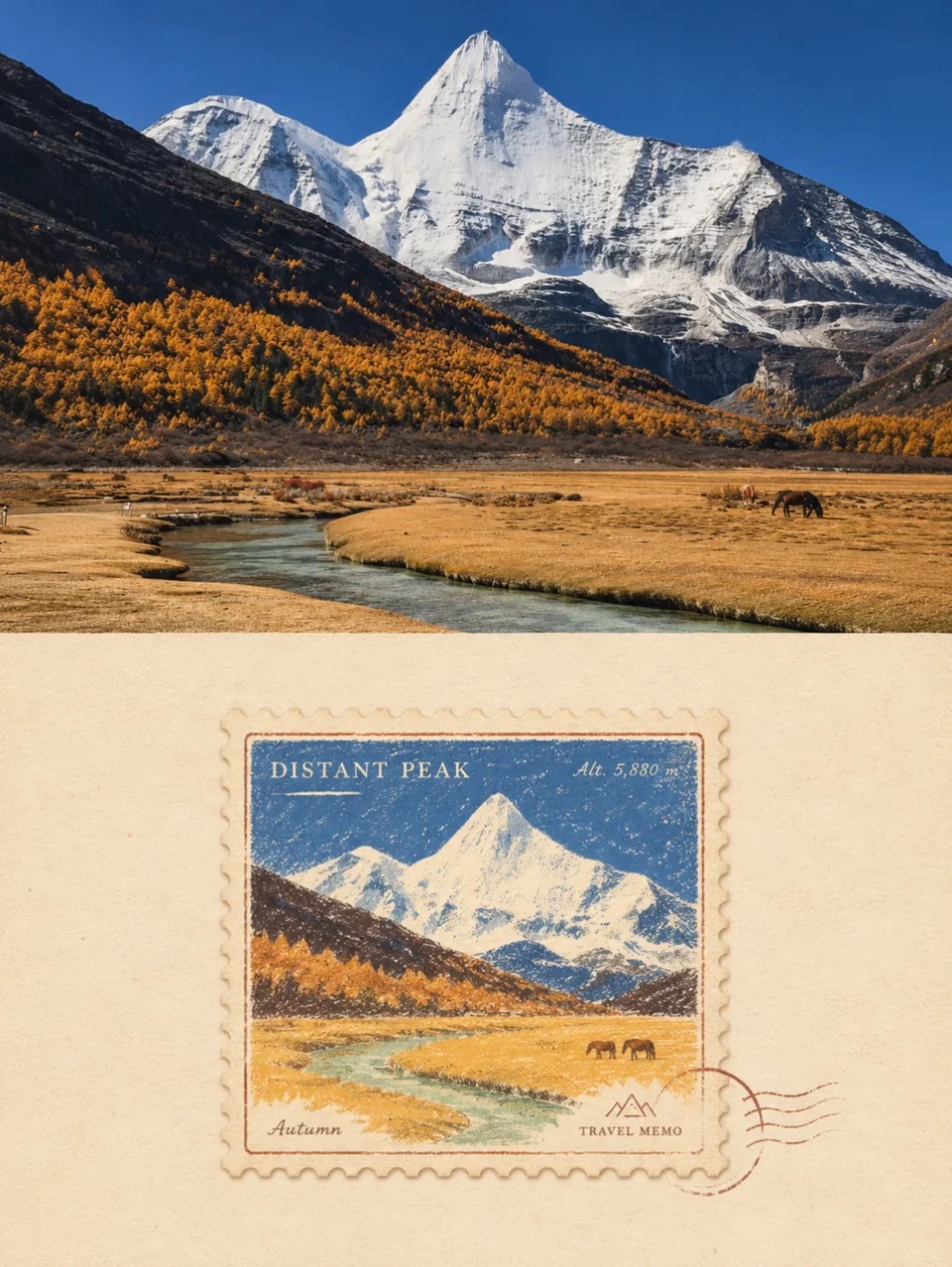
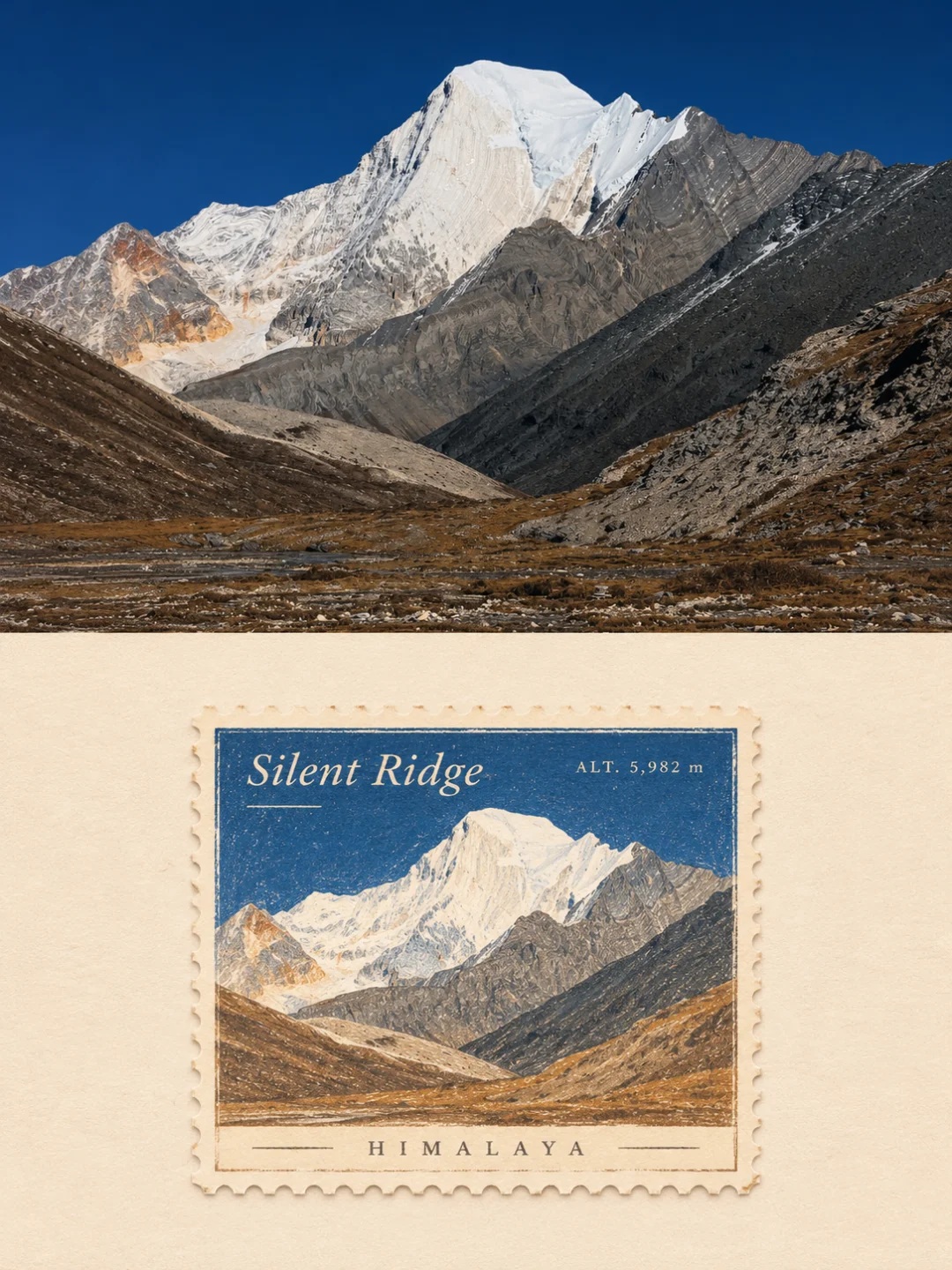
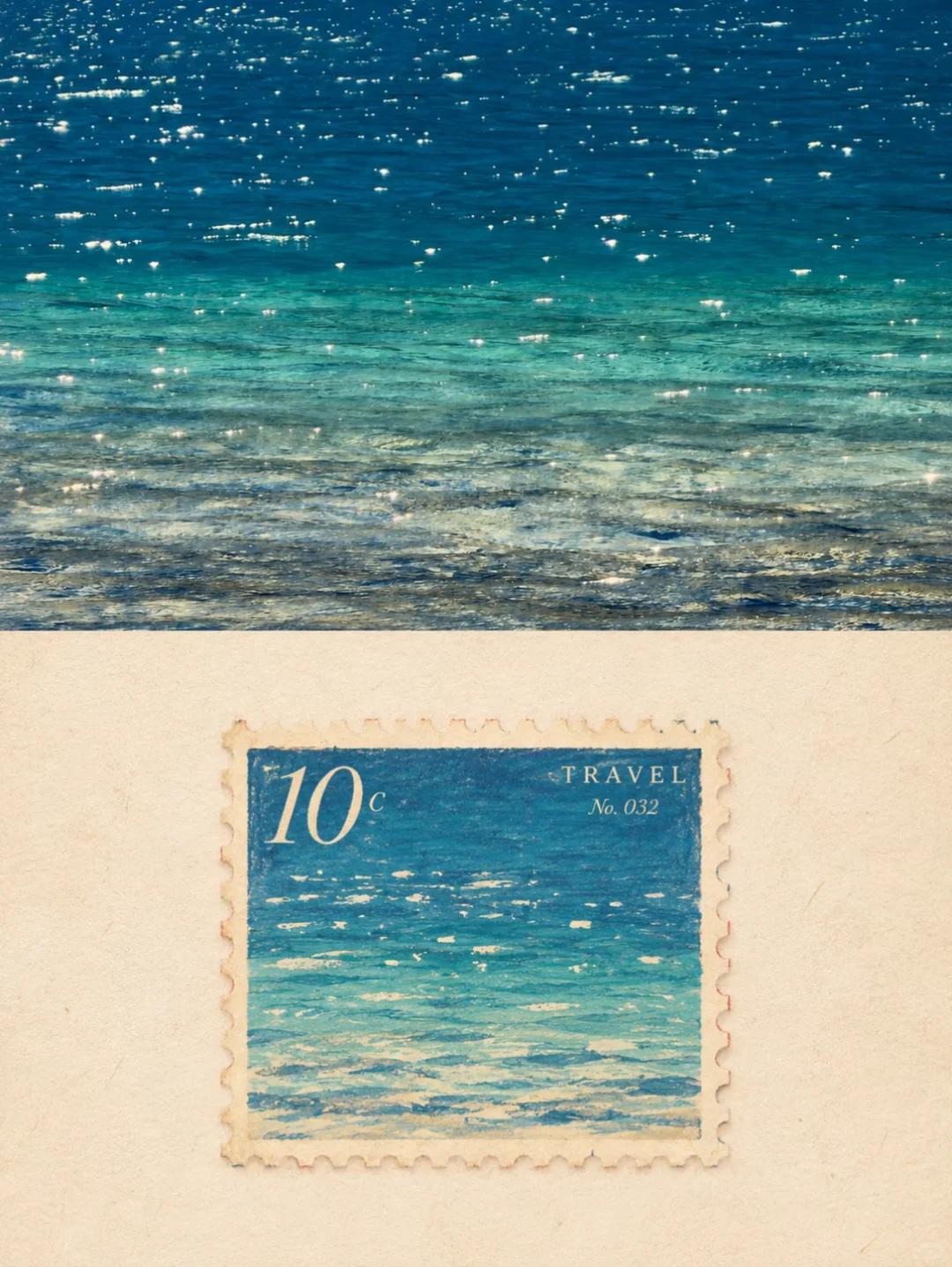
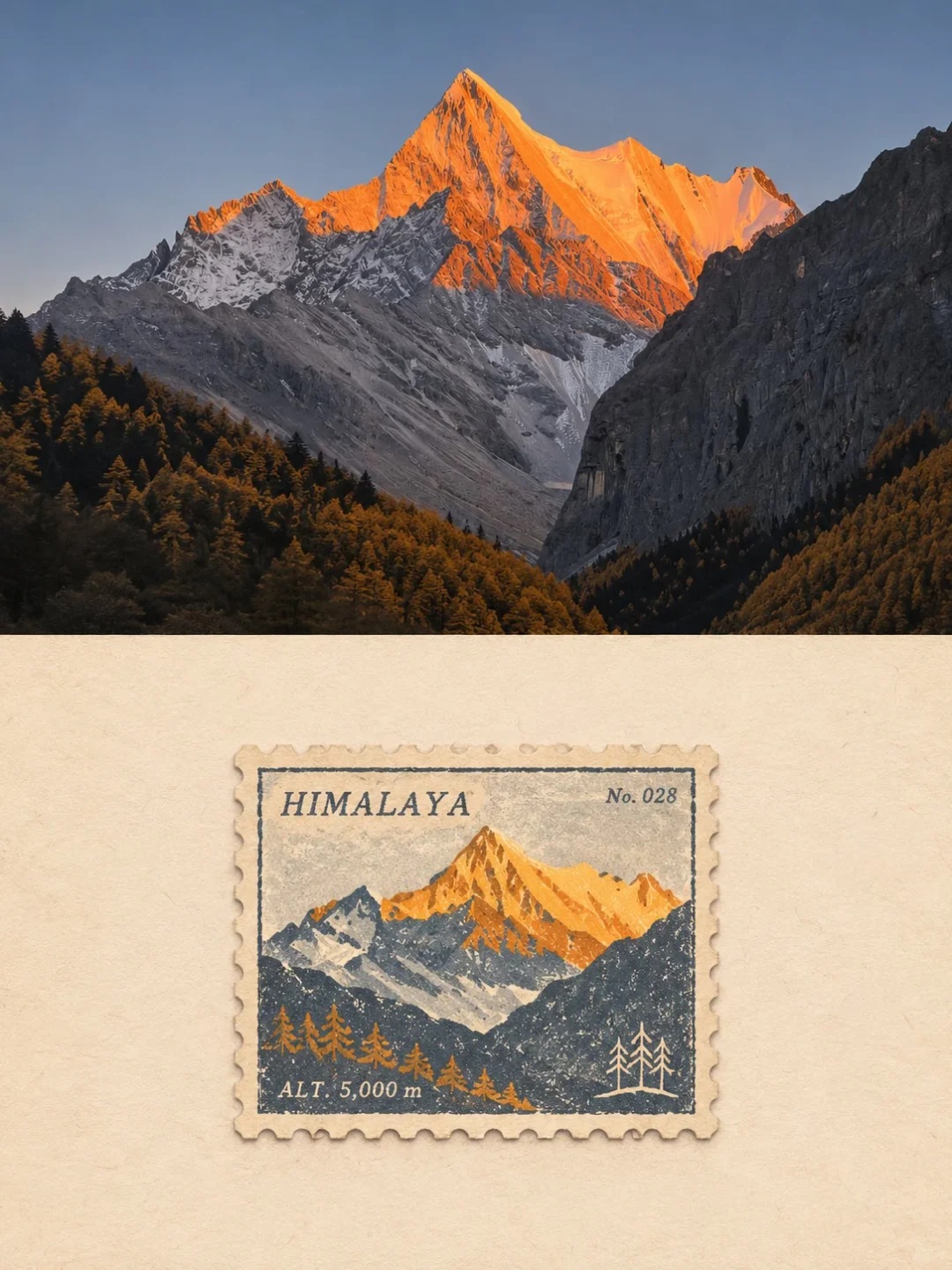
Transform each uploaded photo into an individual 3:4 poster: preserve the photo in the upper half and distill its most memorable elements into a small, collectible travel-stamp illustration below. The prompt emphasizes generous negative space, warm handmade textures, and a restrained palette drawn from the photo.
Example outputs
Prompt template
- Format
- Text
- Inputs
- Photo (image) · Required
- Outputs
- Two_part_poster (image)
Turn each uploaded photo into its own individual, high-end minimalist poster. Do not combine multiple photos into a collage; output one separate poster per photo.

Use a vertical 3:4 composition divided into two regions of exactly equal height, each occupying 50% of the image.

In the upper half, preserve the original photo, including the subject’s structure, realistic texture, natural lighting, and original color atmosphere. Apply only subtle, refined color grading to give it the exhibition quality of art photography and an independent publication. You may naturally extend the sky, ground, or surrounding environment to fit the format, but do not stretch, distort, or alter the subject.

In the lower half, do not duplicate the full photo or retain every object. Extract only its most recognizable subject, silhouette, structure, pose, and narrative relationships. Compress and reconstruct these elements around the meaning, emotion, symbolism, cultural associations, and psychological tension of the original. Transform the real scene into a collectible travel keepsake stamp, elevating an ordinary moment into a cultural memory worth preserving. The stamp is not a decorative border: it is the creative core of the composition, a “memory container” holding a sense of place, time, distance, and private recollection.

Use the visual logic of Vintage Travel Stamp / Vintage Ephemera Illustration / Travel Journal Illustration. Treat the stamp as a miniature vessel that preserves a private memory connected to the original photo. Whether the subject is a person, building, animal, plant, food, object, or natural landscape, remove most unnecessary information and retain only the visual anchors that make it recognizable. Reorganize the subject using simplified contours, symbolic forms, hand-drawn lines, a limited number of color blocks, and a few supporting details, creating a transformation from “real-world object → cultural symbol → private memory.” Do not reproduce every detail or aim to recreate the complete scene; preserve only what is worth remembering.

Emphasize the relationship between a small collectible object and abundant negative space. Use active negative space and Gestalt-like reduction so the stamp is the sole clear visual focus and everything else is deliberately left out. Place the stamp centrally, off-center, at the edge, or partially cropped as appropriate to the subject’s direction, proportions, and mood, while maintaining clear hierarchy, visual breathing room, and editorial balance. Treat empty space not as blankness, but as air, distance, time, faraway places, and room for imagination.

Use a gentle handmade material quality: hand-drawn illustration, colored pencil texture, wax crayon marks, paper grain, and screen-print imperfections. Preserve slight line wobble, uneven coloring, small color misregistrations, paper fibers, and the feel of aged printing. The result should feel like a page from a travel journal, an old stamp from a particular place, or a saved personal collectible—not a glossy digital illustration.

Rework the colors with the most emotionally resonant and recognizable hues from the upper photo rather than copying its palette evenly. Use a warm, soft, vintage-but-not-dated limited palette, such as cream, warm beige, misty blue, botanical green, brick orange, coral red, and soft yellow. Keep the colors welcoming, quiet, warmly lived-in, and collectible. Avoid muddy grays, gloominess, excessive aging, cheap candy-like colors, and uncontrolled color variety.

Introduce only a small amount of text. Freely generate a brief title, stamp text, handwritten note, or miniature mark based on the photo’s subject, location, mood, cultural meaning, or private memory. Keep the typography small, elegant, and slightly handmade or reminiscent of vintage printing, so it feels like authentic information on a stamp or a natural note in a travel journal, not an imposed headline system.

Overall, use the visual direction of Vintage Travel Stamp Illustration × Editorial Illustration × Folk Memory Artifact to create a warm, poetic, restrained image with a sense of collectibility and private memory. The goal is not to turn the photo into an illustration, but to distill an ordinary photo into a beautiful moment that can stand on its own. Even if the original photo is not polished, use reduction, negative space, and reconstruction to transform it into a visual keepsake worth preserving.

Avoid reproducing the complete scene, information overload, generic illustration, commercial postcard templates, complex backgrounds, excessive decoration, a cartoonish look, a cheap souvenir aesthetic, and an obvious digital-generation appearance.
What you'll create
Create a separate 3:4 poster for each uploaded photo, with the original photo in the upper half and a distilled travel-stamp illustration in the lower half. The stamp should use warm, photo-derived colors, handmade print textures, and abundant negative space to evoke a personal travel memory.
Usage instructions
Frequently asked questions
What can the small text on the stamp say?
Generate a brief title, stamp text, handwritten note, or tiny mark based on the photo’s subject, place, mood, cultural meaning, or personal memory. Keep it subtle, as if it belongs on a real stamp or in a travel journal.



Comments
Tried this prompt? Share what you made, compare results, or ask a question