Split-Panel Op-Art Poster from a Reference Image
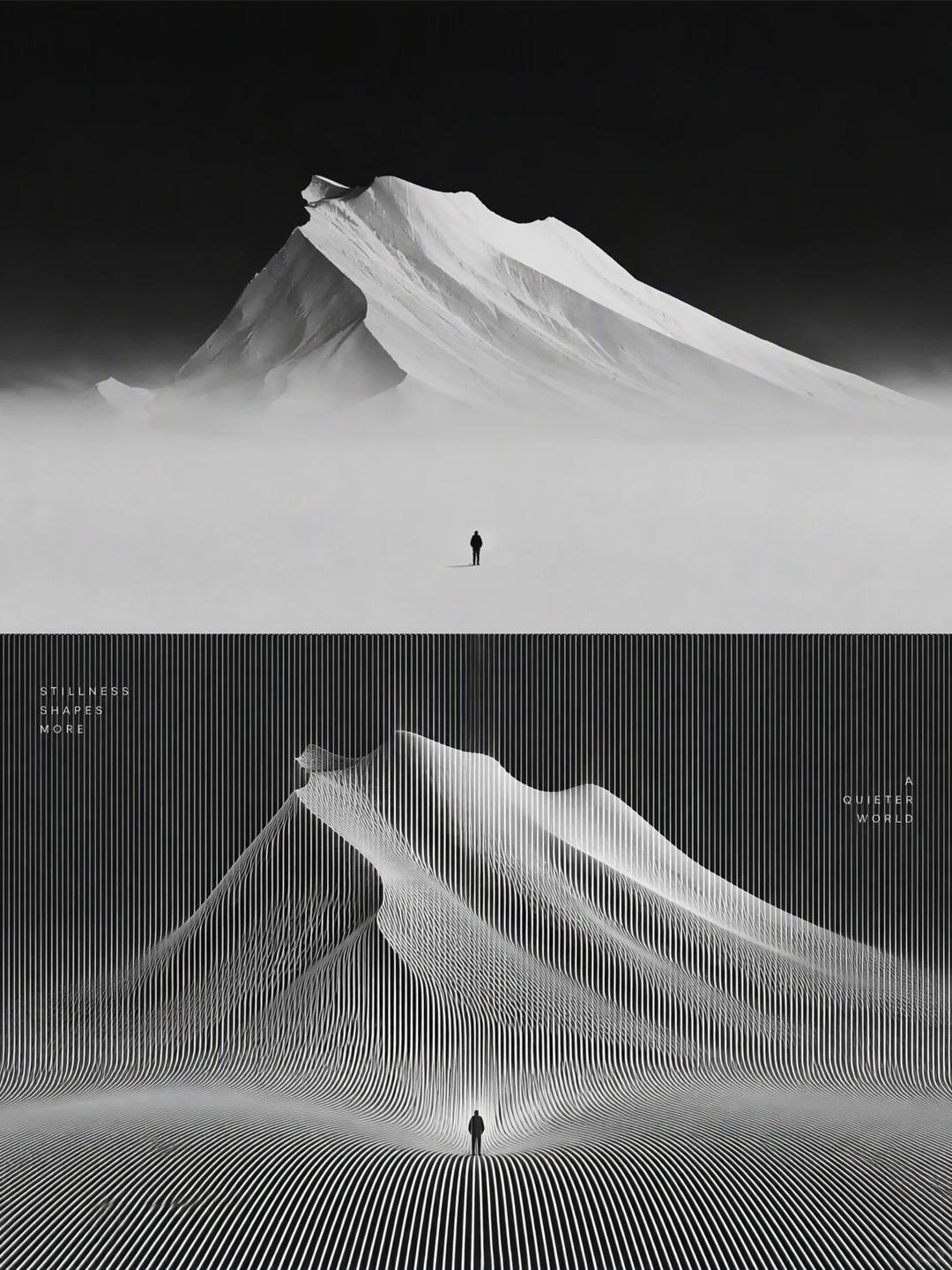
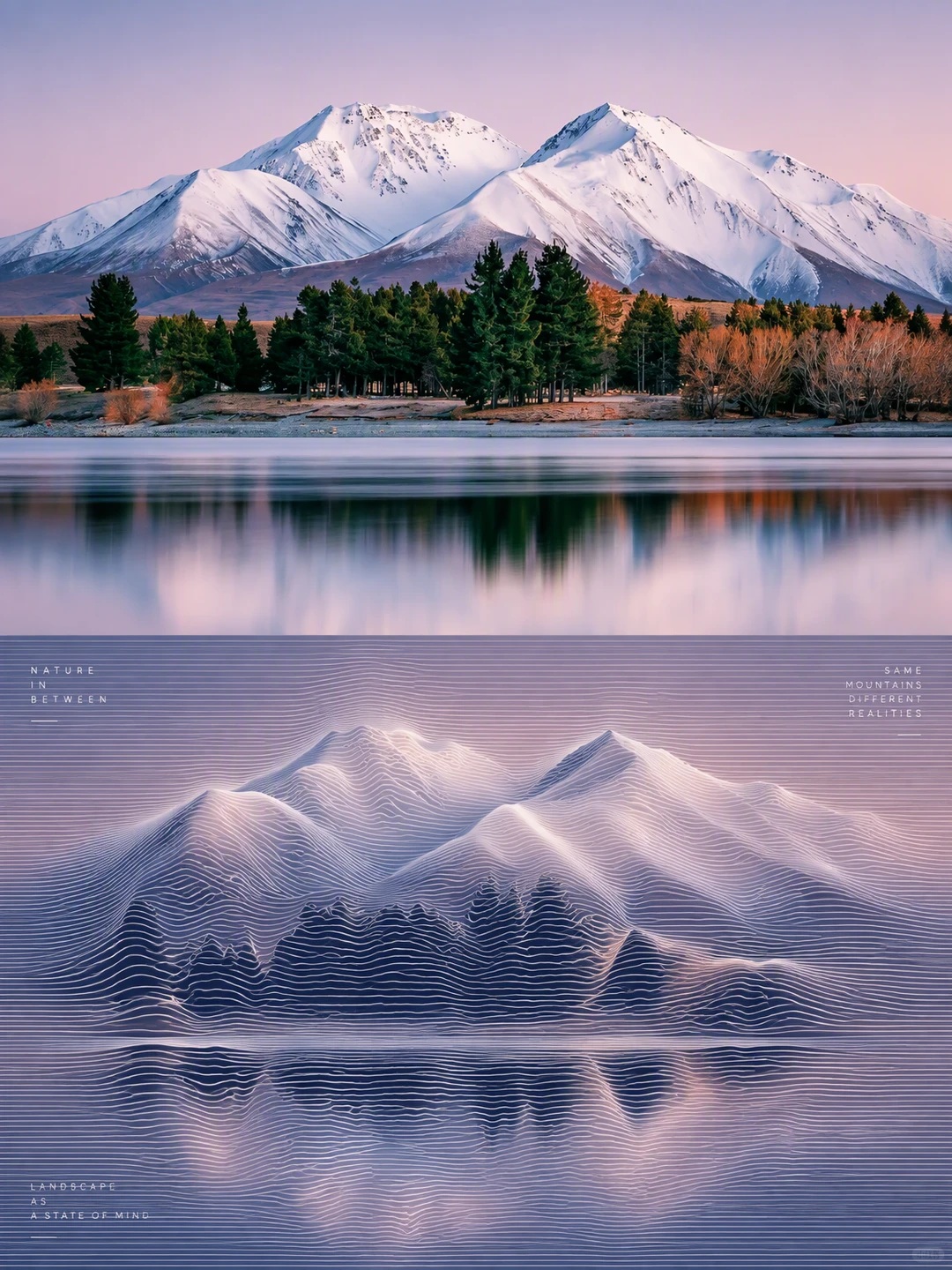
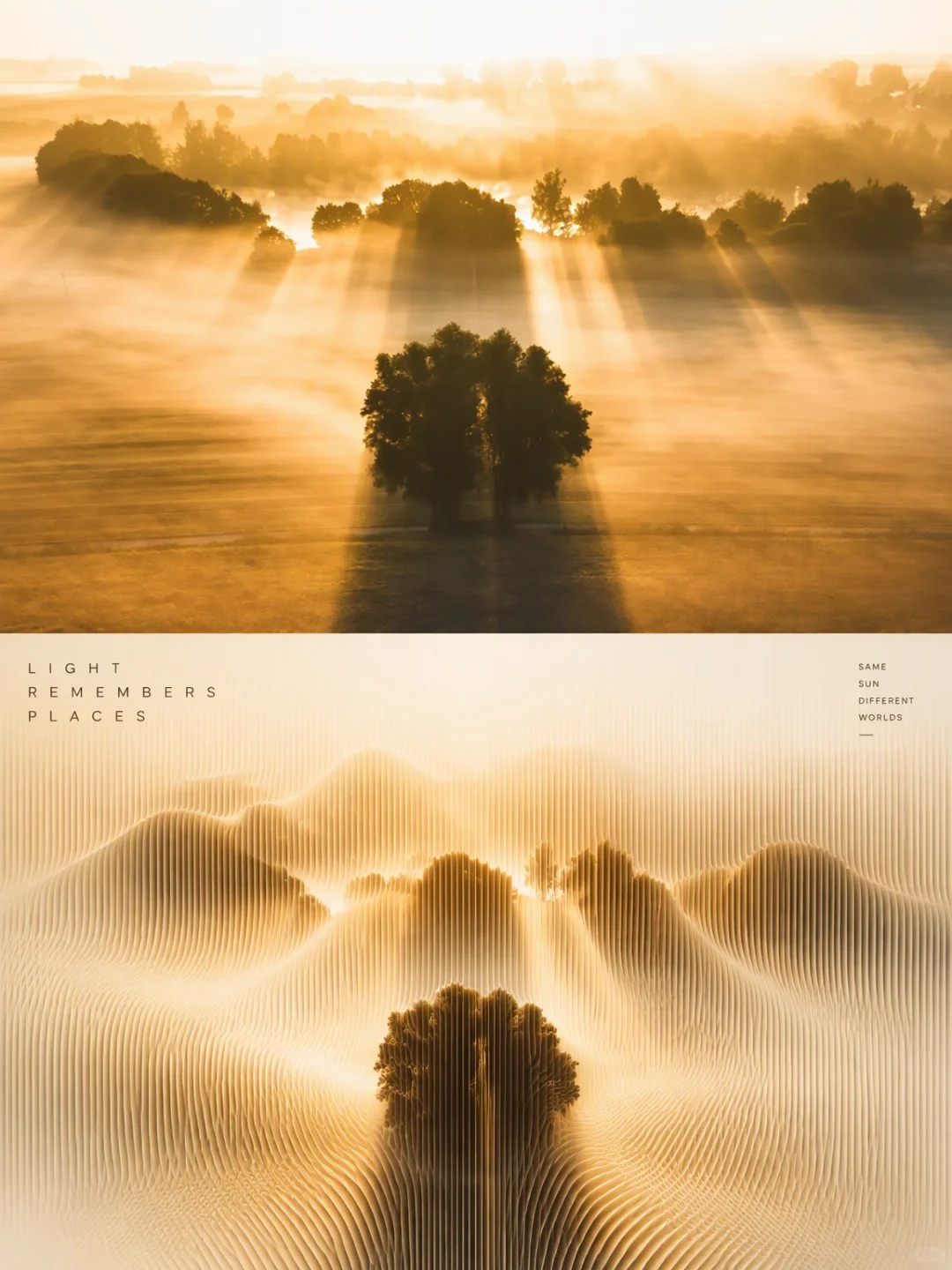
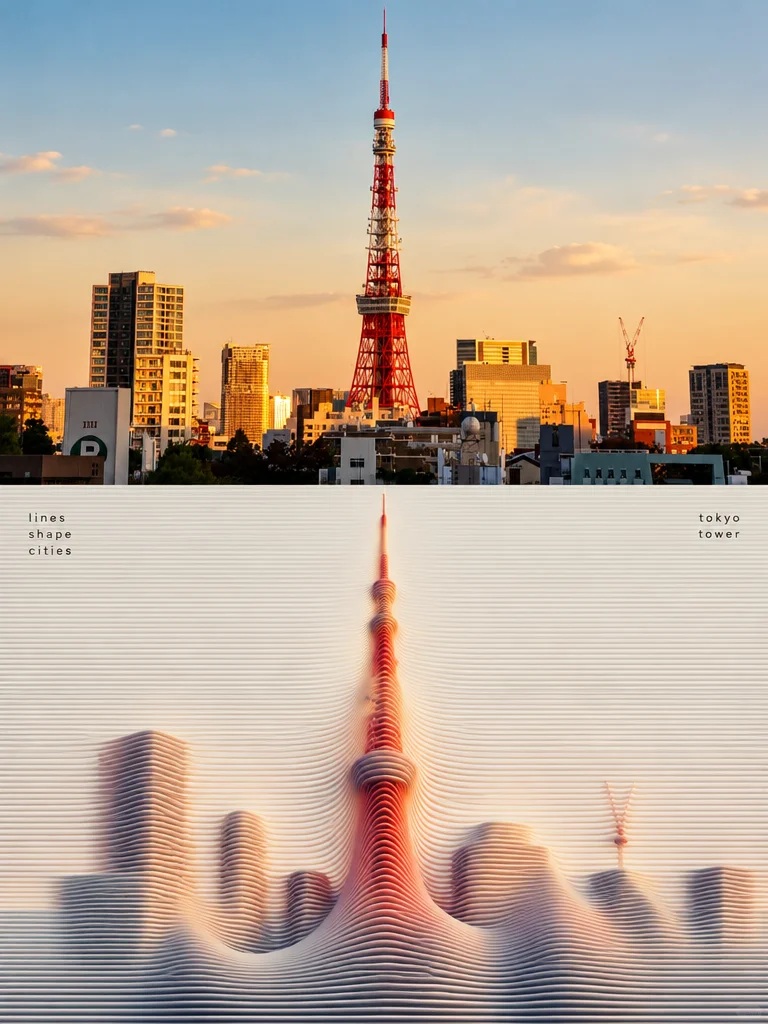
Create a refined two-part experimental poster from an uploaded image, combining a lightly color-graded original image with a lower panel formed from tightly controlled parallel-line distortions.
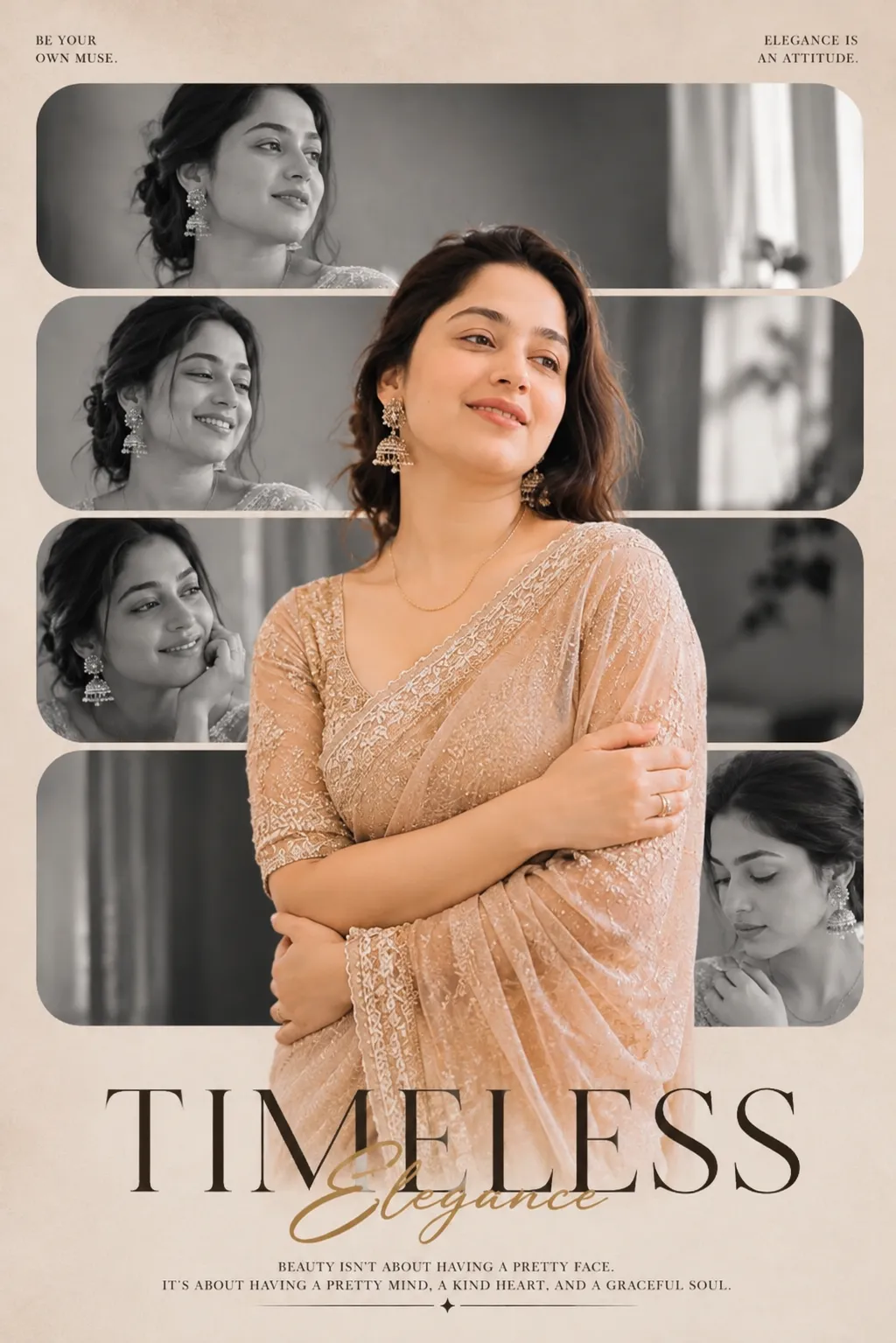
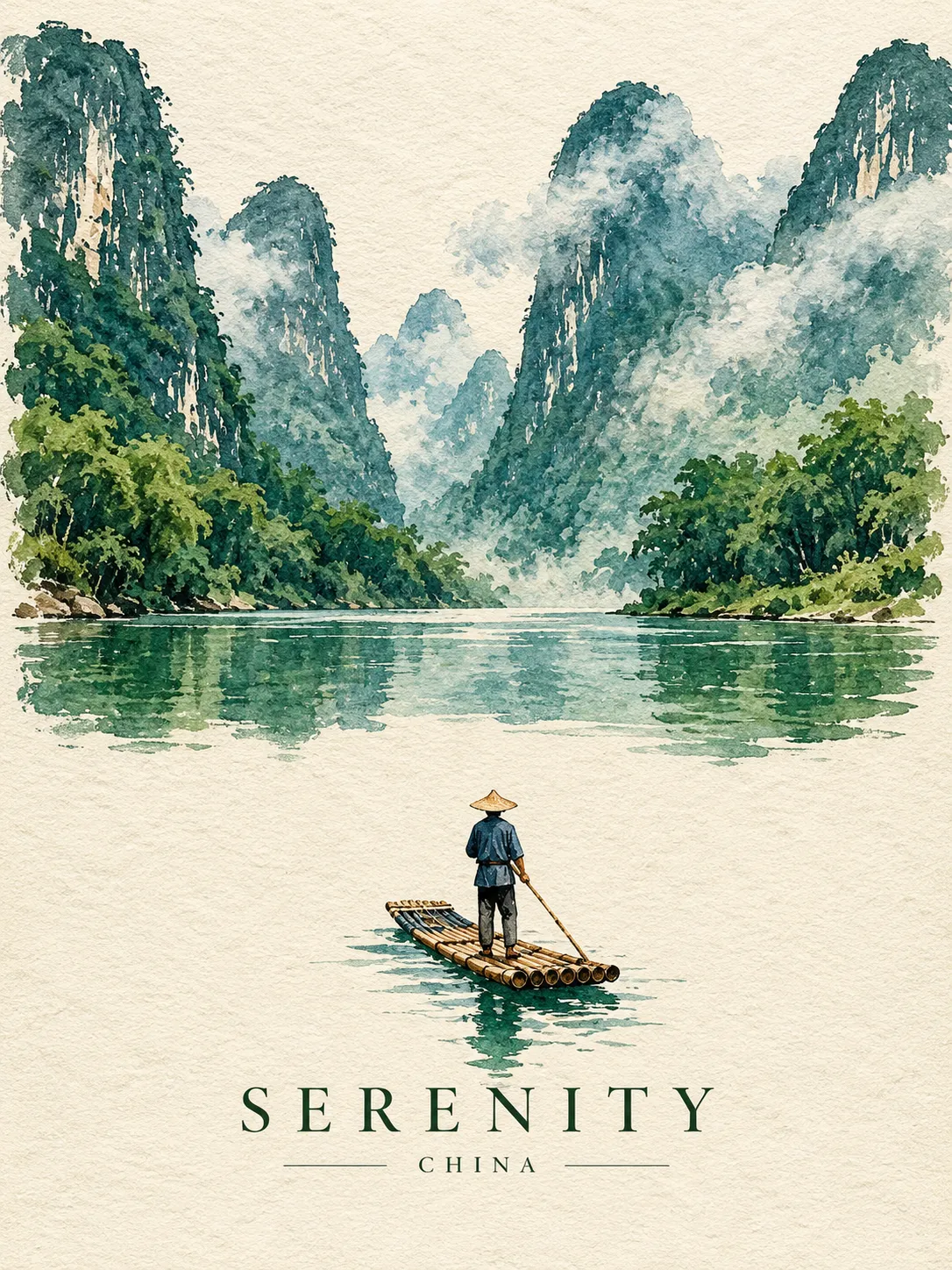
Example outputs
Prompt template
- Format
- Text
- Inputs
- Reference_image (image) · Required
- Outputs
- Experimental_split_panel_poster (image)
Create one standalone poster from the uploaded image; do not make a collage. Divide the image into two equal sections, with the top and bottom each occupying exactly 50% of the canvas.

Top section: Preserve the identity, structure, and pose of the original subject, along with its realistic texture, natural lighting, and color atmosphere. Apply only subtle, sophisticated color grading to give it the quality of an art magazine or exhibition image. You may extend the background to fit the canvas, but do not stretch or distort the subject.

Bottom section: Create a refined experimental poster field made of continuous, closely spaced parallel raster lines. Make the subject feel like a hidden 3D form pushing outward through this field of lines. Reveal it mainly through smooth compression, expansion, bending, and negative space—not through separate outline strokes or realistic rendering. Keep the subject within approximately 70–80% of the composition, using only a few large, controlled distortion zones. Away from the subject, let the lines gradually return to straight, parallel forms.

Prioritize line quality above all else: the curves must be extremely fine, sharp, smooth, evenly spaced, and uninterrupted. Add 2–3 small typography blocks in quieter negative-space areas, using a minimalist modern sans-serif font.

Style: op art, generative graphic design, experimental editorial poster, modern sculpture, refined minimalism.

Avoid broken or crossing lines, jagged curves, chaotic ripples, excessive realism, wireframe outlines, sci-fi UI, excessive text, logos, numbering, starbursts, and sparkles.
What you'll create
The upper half retains the source’s realistic form and lighting. Below, compressed and bending raster lines imply a hidden sculptural volume without ordinary outlines or realistic shading.
Frequently asked questions
How is the lower subject revealed?
Line compression, expansion, bending and negative space create the apparent three-dimensional form.
Can the lines break or cross chaotically?
No. Broken lines, crossings and jagged curves are excluded.




Comments
Tried this prompt? Share what you made, compare results, or ask a question