Geometric Neo-Naive Character Illustration
Create a quiet, handmade character illustration that combines neo-naive art with mid-century modern book art. Enter a character or a work to guide the design and its defining identity cues.
Example outputs
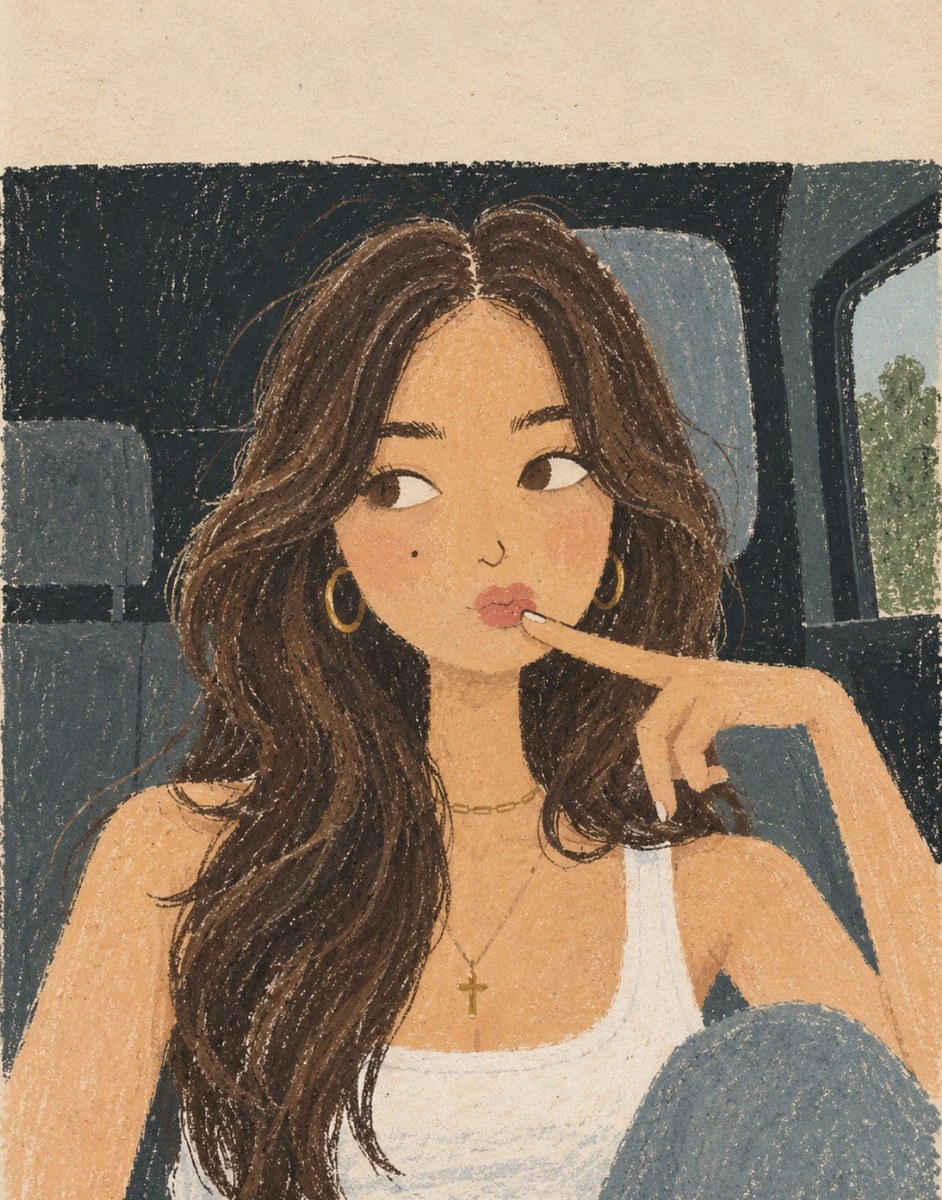
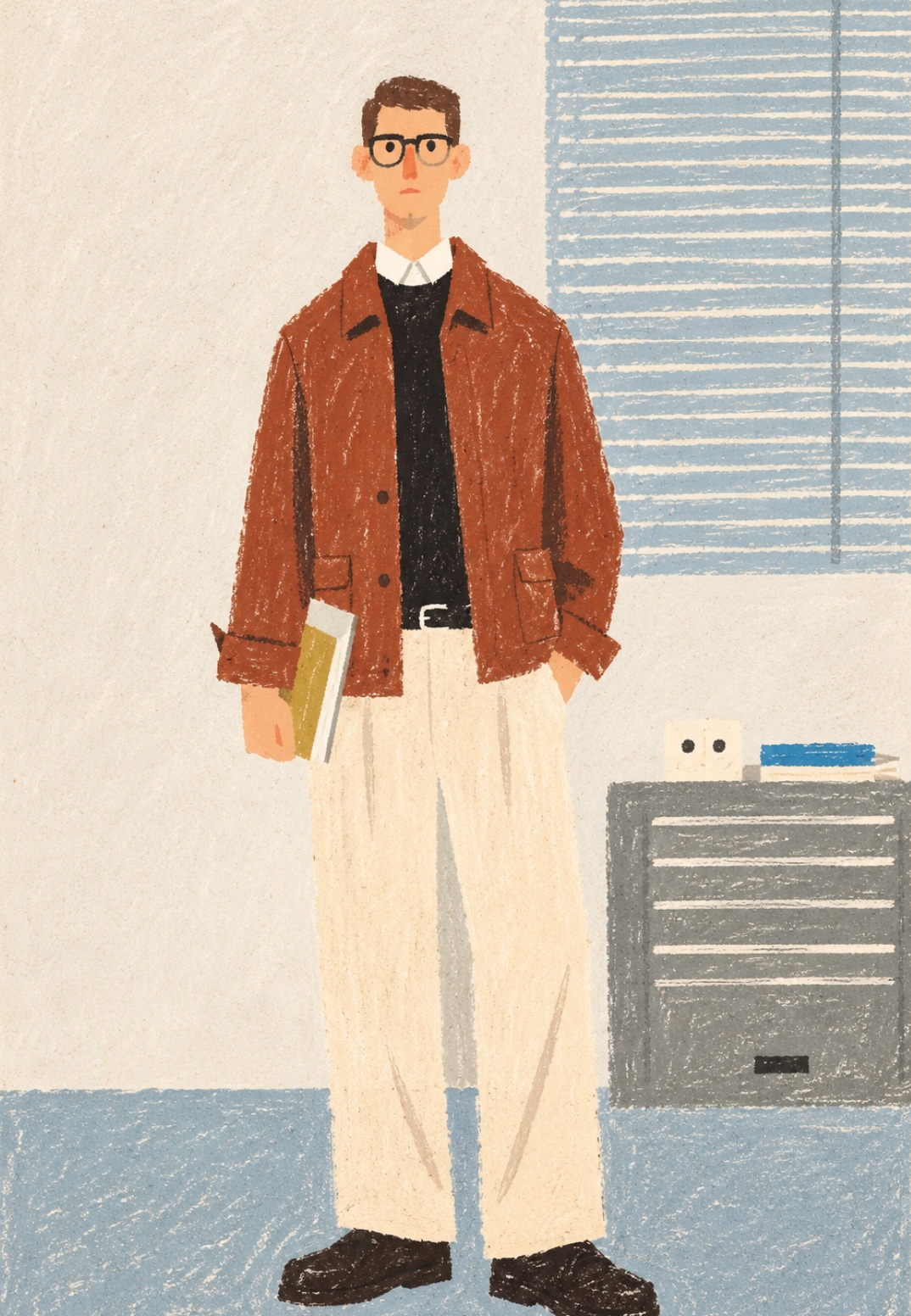
Prompt template
- Format
- Text Parameterized
- Inputs
- Characters_or_works (text) · Required
- Outputs
- Character_illustration (image)
Redesign ${characters-or-works} as a neo-naive illustration × mid-century modern picture-book art × primitive modernism × modern naive character design.

If the input is a character, redesign them as a minimal, clunky, original character from a geometric drawing book; do not reproduce the character’s standard design. If the input is a work, select four to six of its most representative key characters and redesign them within the same visual system.

Prioritize preserving recognizable identity cues: hairstyle outline, hair color, primary eye color, primary character color, clothing outline, headwear, weapons, tail, horns, ears, emblem, and the character’s most recognizable identity symbol.

Reduce complex characters to primitive geometric forms: circles, ovals, squares, trapezoids, elongated shapes, pear shapes, and other basic shapes. Use intentionally inaccurate proportions, a slightly awkward and unbalanced body, simplified limbs, very sparse facial features, and contours of paramount importance.

Use an awkward anthropomorphic mascot design: sluggish, cold, boring, confusing, dull, innocent, careless, and slightly grotesque. This strengthens one of the character’s strongest visual-memory cues.

Combine wax crayon × oil pastel × colored pencil × dry gouache. Use blurred color fills, uneven contours, dried edges, pressure changes, visible paper tooth, uneven pigment density, and crushed pencil texture.

Do not fully cover the color; let the drawing paper show through. Make edges slightly crumpled, broken, redrawn, and misaligned to suggest the mistakes of hand painting.

Simplify the architectural composition: compress buildings, doors, windows, tables, chairs, plants, streetlights, and similar elements into large rectangles, broad color blocks, and a few lines. Flatten the space without emphasizing perspective depth.

Use this composition formula: large rectangle × vertical symbol × simple circle or accent shape. Place the symbol in the middle or lower area, or off to one side; place the environmental block on the other side, with a large area of negative space above.

Use a muted modernist palette of sage green, cream, turquoise, bottle green, ochre, dusty blue, warm beige, and near-black, adjusting it to the character’s main color. Add only a small area of saturated cinnabar, burnt orange, coral red, or bright yellow as the character’s most important personality symbol.

Use non-illusionistic flat lighting and minimal tonal modeling. Avoid realistic photographic light and shadow; create volume mainly with contours, color blocks, paper texture, and localized shading.

Use a background of plain paper-colored fields, such as light gray-green, cream-white, gray-blue, beige, or light pink. Retain only a few geometric, symbolic, essential, or architectural elements.

The result should feel naive, quiet, awkward, unflappable, minimal, poetic, slightly abstract, handmade, and modernist. Make it resemble a child’s visual language shaped by an adult illustrator’s deliberate control of composition, proportion, color, and negative space—not an ordinary child’s drawing, cartoon sticker, vector illustration, 3D image, or smooth digital flat painting.
Replace the ${…} placeholders with your values
before using this prompt. See parameters
and defaults below
Parameters
Replace each placeholder with your own value, or use its default when one is provided
${characters-or-works}
characters-or-works
Required
What you'll create
This prompt turns a character or a work into a quiet, awkward illustration built from simple geometric forms. It combines a muted modernist palette and flat composition with visible crayon, pastel, pencil, and gouache textures
Usage instructions
Frequently asked questions
What happens if I enter a work instead of one character?
The prompt selects four to six representative key characters from the work and redesigns them within the same visual system
Which details help keep a character recognizable?
The design prioritizes identity cues such as hairstyle, hair and eye color, clothing outline, accessories, and signature symbols




Comments
Tried this prompt? Share what you made, compare results, or ask a question