- Category
- Design & Image
Photo-to-Shadow-Puppet Exhibition Poster
Turn each supplied photo into its own refined 3:4 poster, pairing the original image with a traditional Chinese shadow-puppet interpretation.
By Threads — Published on — Modified on
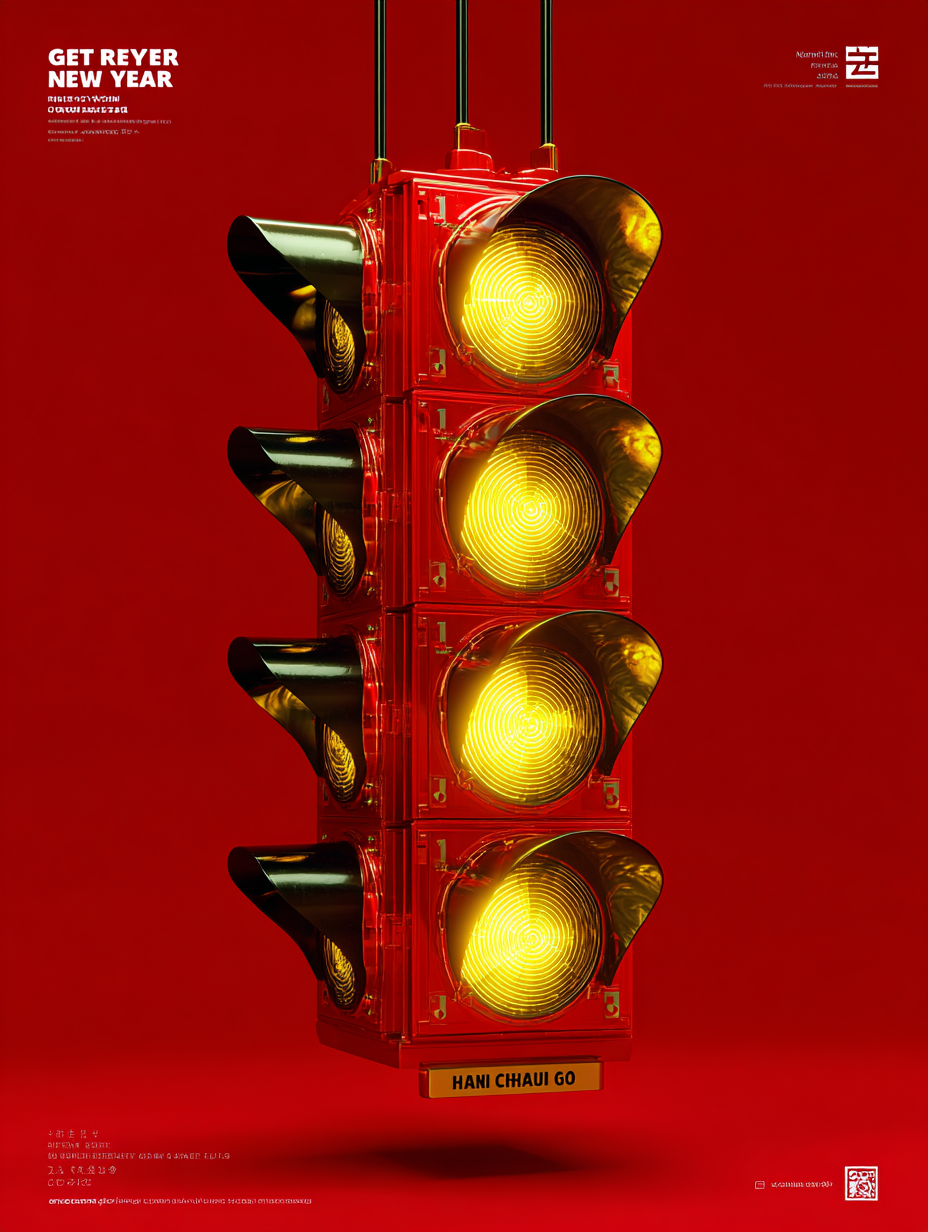
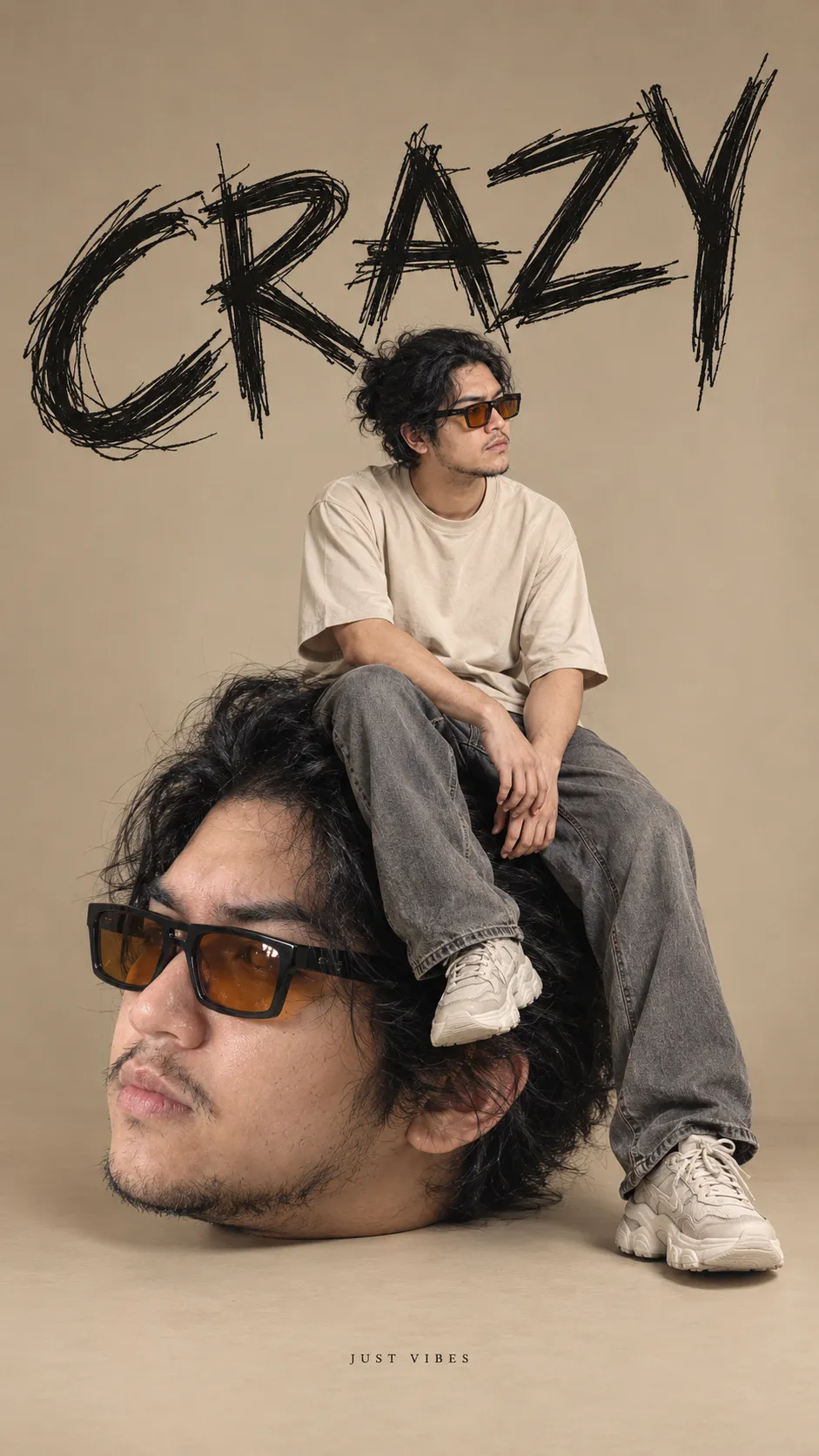
Example images


Prompt template
0 copies
- Format
- Text
- Inputs
- Uploaded_photo (image) · Required
- Outputs
- Exhibition_poster (image)
For each photo I upload, create one separate, refined exhibition-style poster. Do not combine multiple photos into a collage; output one poster per photo. Use a vertical 3:4 composition divided into two equal-height sections, with each section occupying exactly 50% of the image.

In the upper section, preserve the original photo, including the subject’s identity, structure, pose, realistic texture, natural lighting, and original color mood. Apply only subtle, refined color grading to give it the feel of artistic photography and an image from an Eastern art exhibition. You may naturally extend the environmental background to fit the frame, but do not stretch, distort, or alter the subject.

In the lower section, identify the most recognizable subject, silhouette, pose, and narrative relationship in the photo, and reinterpret them as a traditional Chinese shadow-puppet figure performing on a translucent rice-paper screen illuminated by warm light. Whether the photo shows a person, animal, building, plant, object, or landscape, treat its subject as a character that could be manipulated. Break the figure into a small number of jointed sections connected with rivets. Use the most expressive moment from the original pose, and include one or two slender bamboo control rods entering from the bottom of the image.

Do not depict the subject realistically or make it cartoonish. Instead, reinterpret it using the visual language of shadow puppetry: a profile-oriented, flattened form; decorative cutouts; cloud motifs and geometric carved patterns; and translucent color washes in selected areas. Preserve the original subject’s most recognizable features so viewers can identify it at a glance, while making it feel as though a seasoned craftsperson has reinterpreted and carved it.

Lighting is central to the work. Place a warm-colored light behind the screen so that the cutouts glow with warm points of light. Let the colored areas show translucent vermilion, indigo, olive green, and amber yellow. Give the puppet’s edges a soft projected shadow and a subtle halo, as if it were moving slowly. A very slight double image or motion blur is acceptable to suggest a moment during a performance.

Build the composition around a single scene with one puppet and abundant negative space. Make the screen a warm pale-yellow or light-amber field of light, with the surroundings naturally fading into darkness. The subject should occupy about 25–35% of the image and may be off-center or placed near a golden-ratio position. Keep the remaining space quiet, like a pause before a performance begins. Do not show an audience, a full stage, or complicated props.

Extract two or three emotionally resonant colors from the photo above and translate them into translucent colors on the puppet, harmonized with the warm screen light. Use deep brown and warm ink tones for shadows rather than cold black.

Use very little text: add either a short play title or a brief line, perhaps in small vertical lettering, like a hand-written program note from a traditional troupe. Place it quietly in a corner of the screen. The text may be in any language.

The overall visual should combine carved shadow-puppet details, translucent color washes, a warm-lit screen, soft projected shadows, and the spaciousness of Eastern composition. The core idea is to invite the photo’s protagonist onto the screen and let one pose tell an entire story. Avoid fully realistic depiction, cluttered scenes, cheap “Chinese-style” clichés, plastic-looking materials, 3D rendering, a cartoon feel, and template-like poster design.




Comments — 0