Photo-to-Isometric Sculpture Poster
Create one 3:4 portrait poster per uploaded photo, pairing the original photograph with a soothing, sculptural isometric reinterpretation and refined editorial typography.
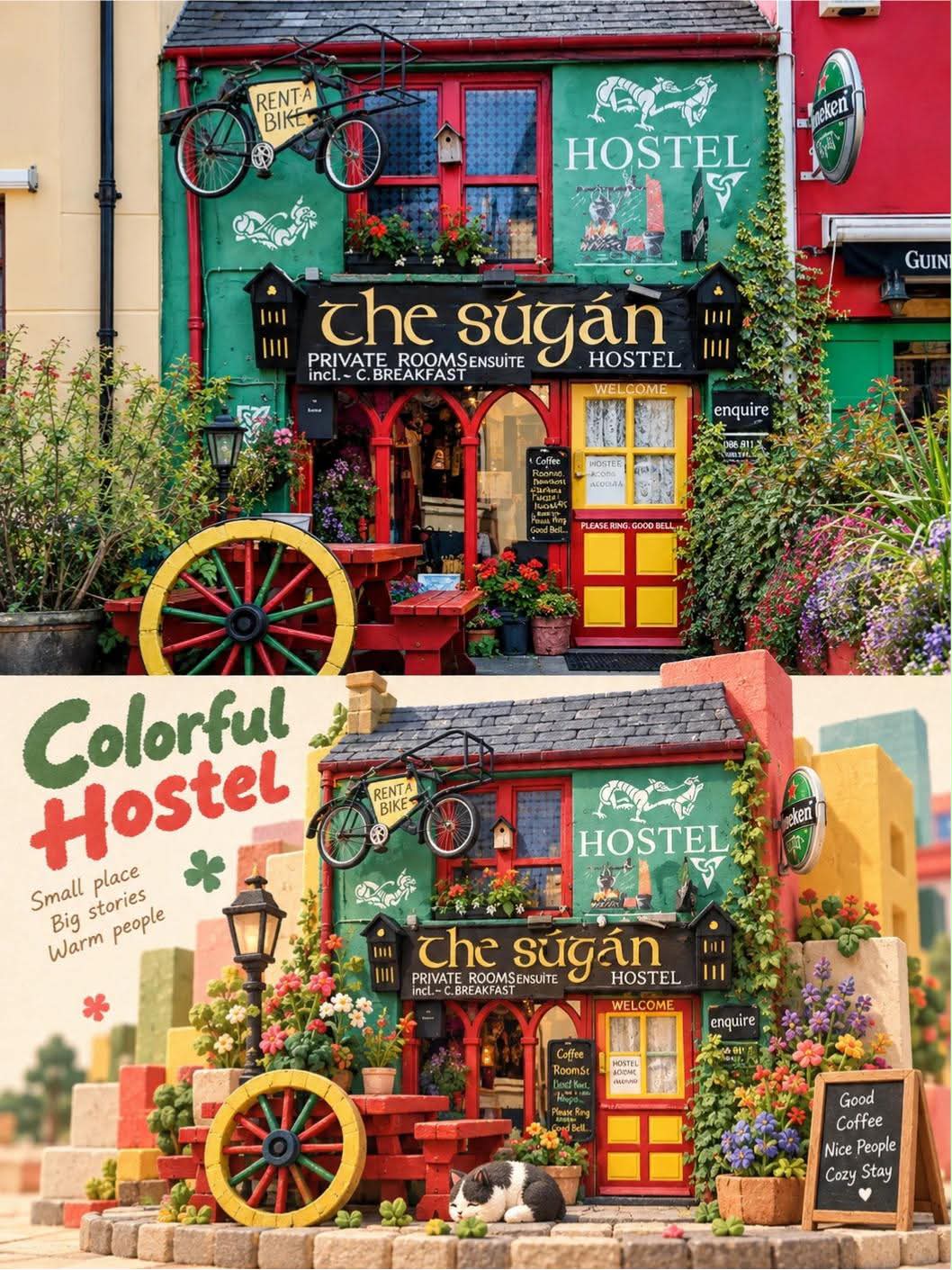
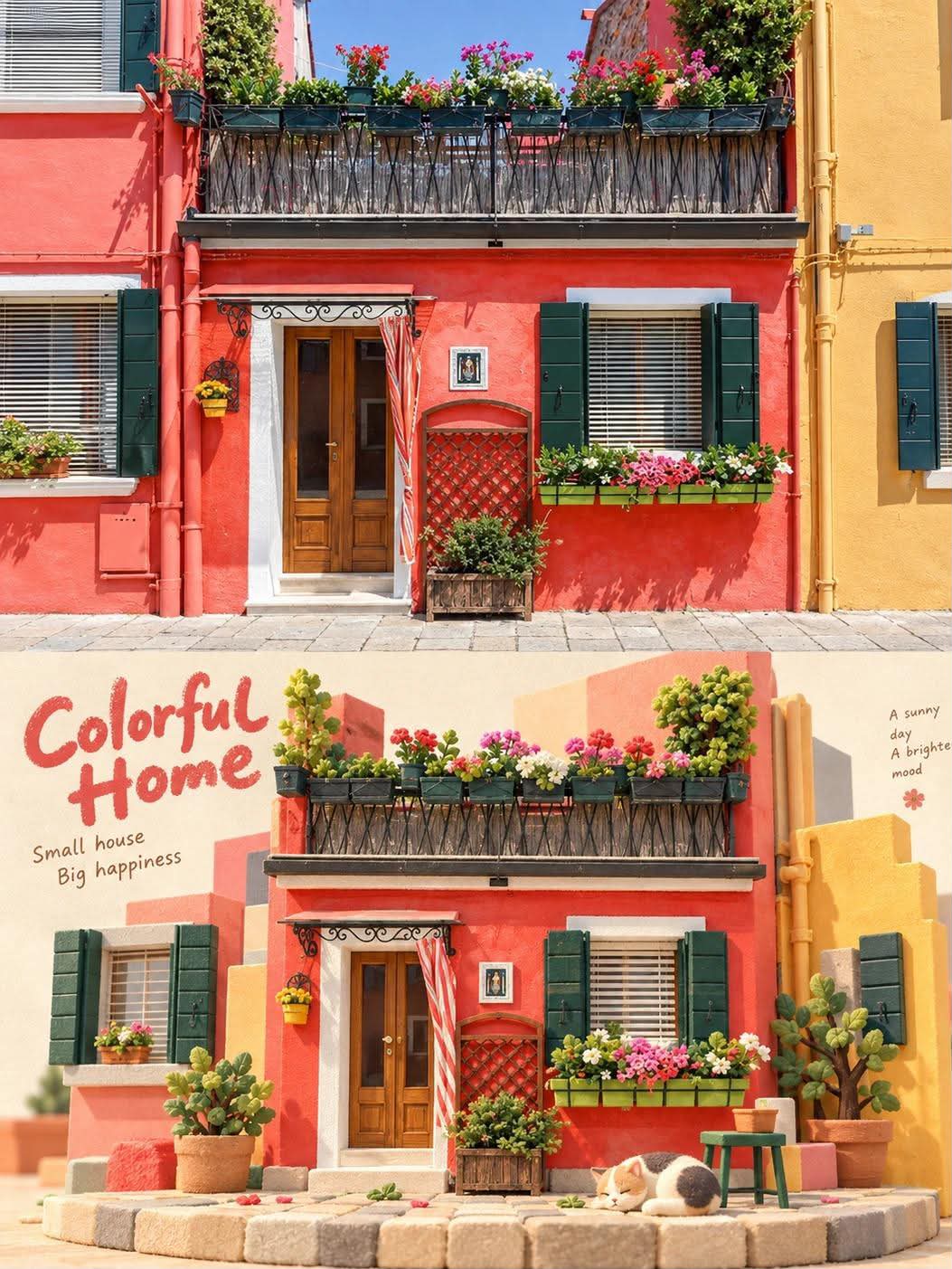
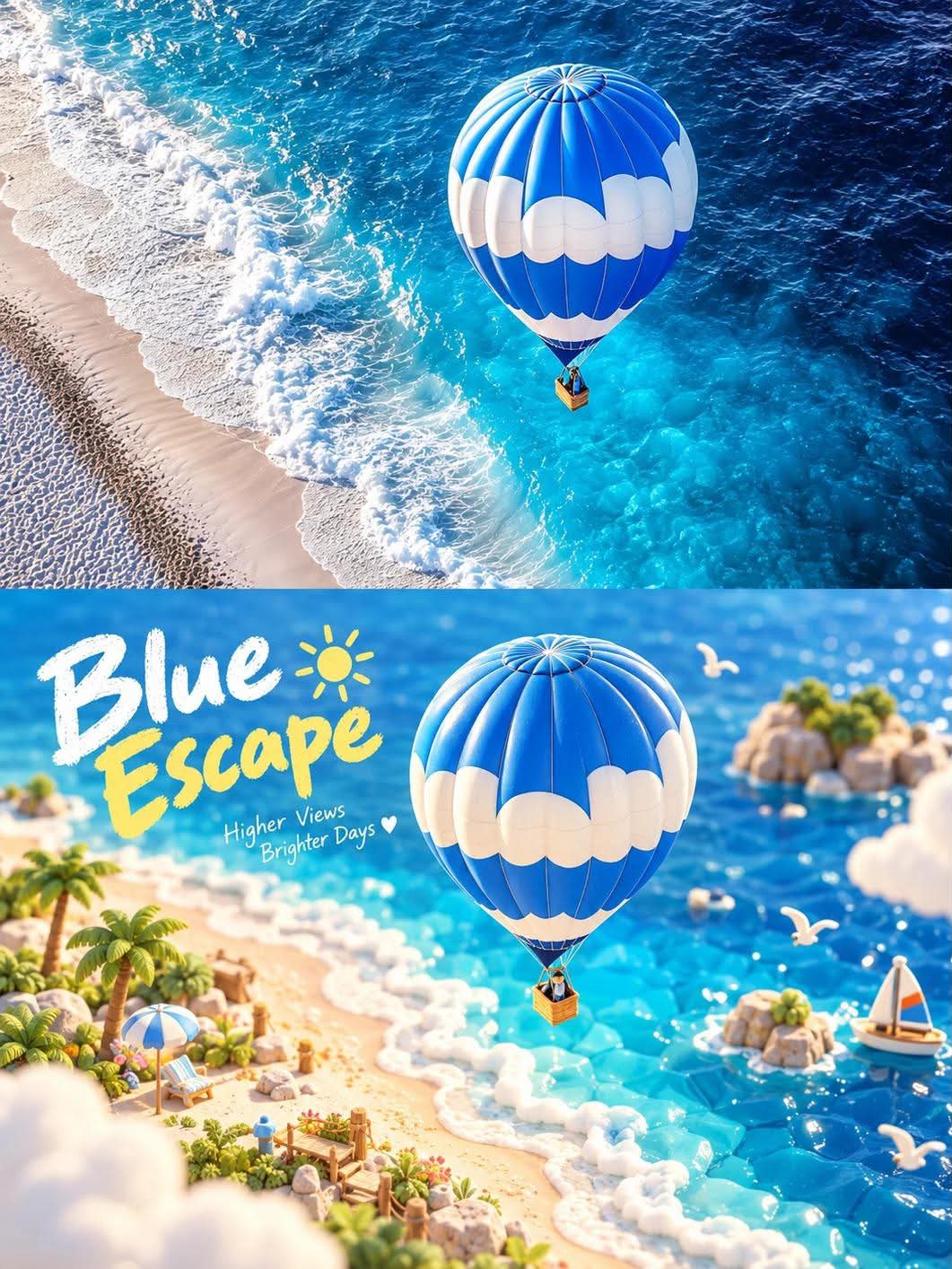
Example outputs
Prompt template
- Format
- Text
- Inputs
- Uploaded_photo (image) · Required
- Outputs
- Poster (image)
For each photo I upload, create one separate, complete, premium 3:4 portrait-format design poster. Output one image per photo; do not combine or merge multiple photos into one image.

Divide the full canvas into two strictly equal horizontal sections: the upper half occupies 50% and the lower half occupies 50%. Keep the dividing line clear and do not shift the proportions.

UPPER HALF — ORIGINAL PHOTOGRAPH
Use the corresponding original photo as a photographic image. Crop naturally to fit the format or extend the environmental background modestly so the subject, composition, and space feel complete. Preserve the subject’s structure, identity, pose, action, proportions, clothing, accessories, relationships between objects, perspective, real materials, natural light and shadow, depth of field, and original color atmosphere. Do not stretch or distort the image, change the subject, or add unrelated elements. Apply only subtle, refined photographic color grading to evoke an art magazine, independent publication, or exhibition-photography aesthetic.

LOWER HALF — SCULPTURAL REINTERPRETATION
Use the same photo shown above as the sole reference. Reinterpret its content as a soothing, three-dimensional isometric block sculpture, following a process of deconstructing, selecting, distilling, and rebuilding the image. First identify its most recognizable subject, silhouette, pose, narrative relationships, visual center of gravity, axes, curves, volumes, proportions, overlaps, occlusions, and negative space. Reorganize these into rounded, simple, tactile modular forms. Do not reproduce every detail, but make the connection to the original photo unmistakable at a glance.

Adapt the composition to each photo: determine the subject’s position, orientation, scale, cropping, density, and negative space as needed. Establish rhythm through variation in block size, staggered heights, overlapping forms in front and behind, partial floating, joining, stacking, nesting, passing through one another, or naturally offset placement. Preserve the subject’s identity while giving it the sculptural character and imaginative quality of a contemporary art toy. Avoid mechanical disassembly, simple pixelation, LEGO-like copying, and templated results.

Derive the lower half’s palette by analyzing the original photo. Identify its most vivid and distinctive color relationships, overall color temperature, value hierarchy, warm-cool interplay, and key accent colors. Rework these into a soft, clear, bright, airy, soothing palette while retaining the original hues’ identity and emotional associations. Raise brightness moderately, reduce harsh contrast, and clean up muddy or dirty colors. Do not use a fixed palette or force in colors absent from the original. Build rhythm with a dominant color, supporting color layers, variations in depth from the same hues, and a few lively accents. Make the palette rich but not chaotic, cute but not saccharine.

Use finely textured, matte block materials with soft diffuse reflections and a slight tactile quality like paper pulp, wood, pastel, or flexible material. Keep edges rounded and shadows gentle. Avoid plastic shine, metallic surfaces, heavy CGI, and a cheap toy appearance.

TYPOGRAPHY AND OVERALL FEEL
Use light, refined editorial micro-typography. Derive a title of 2–5 words from the photo’s lighting, action, space, mood, or symbolism, and pair it with a small number of status words, a location, a number, a directional word, or a brief annotation. Do not use a year. Place the text along block edges, between modules, on a visual axis, or in negative space; it may also intersect with, be partially obscured by, or align with the forms so that it becomes part of the composition.

The overall result should feel gentle, light, playful, quiet, refined, and imaginative, without looking childish.
What you'll create
The preserved original sits above an imaginative modular three-dimensional reconstruction. Small compositional labels and clear equal sections produce a quiet refined design.
Frequently asked questions
Should a year be added?
No. The text directions exclude years.
Can multiple uploads become one collage?
No. Each source receives a separate finished poster.




Comments
Tried this prompt? Share what you made, compare results, or ask a question