Diagonal Story: Premium Geometric Editorial Design
Create a premium editorial composition that integrates a subject into a distinctive diagonal 3D geometric system, with subject-responsive styling and clear, accurate typography.
Example outputs
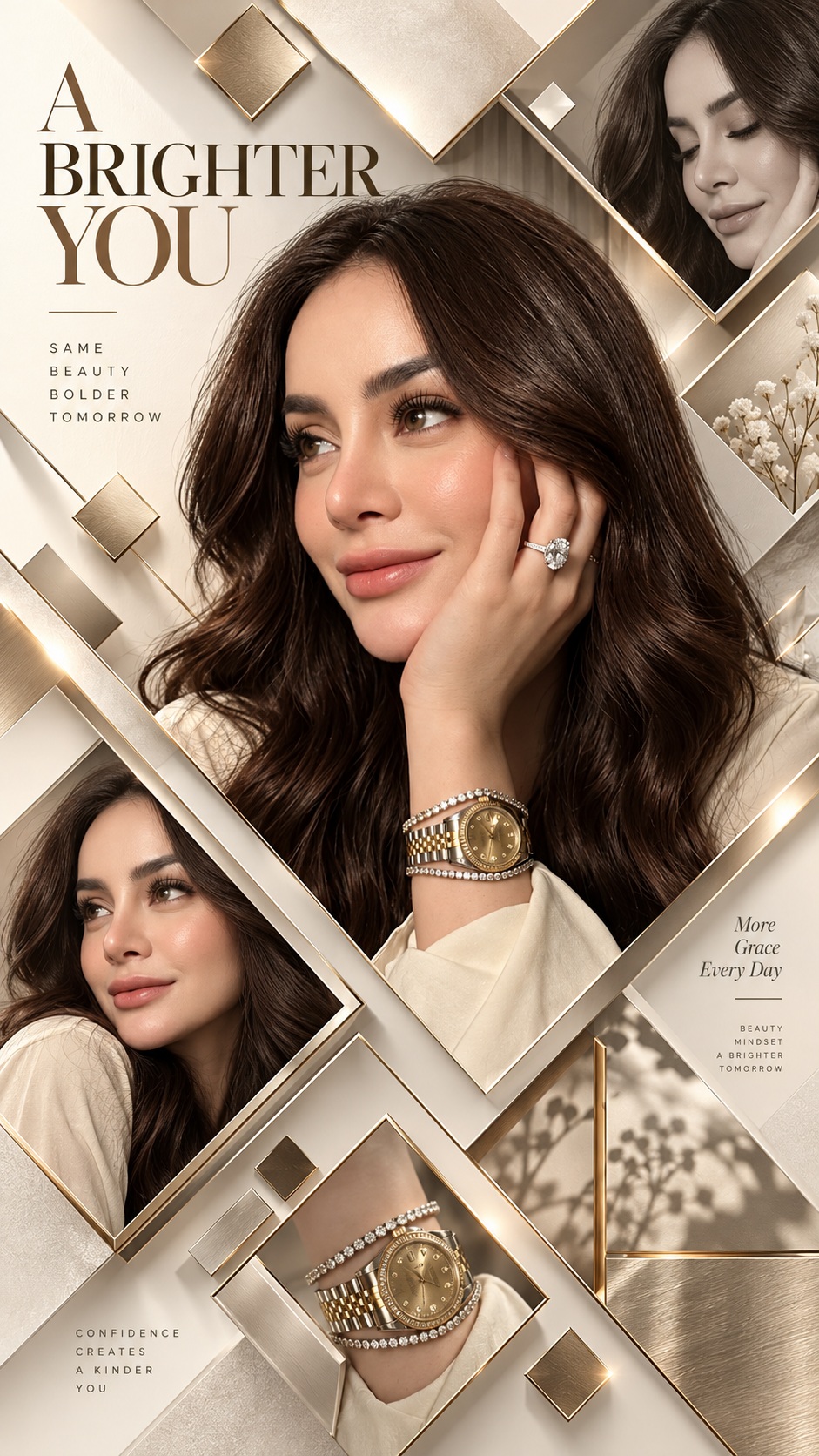
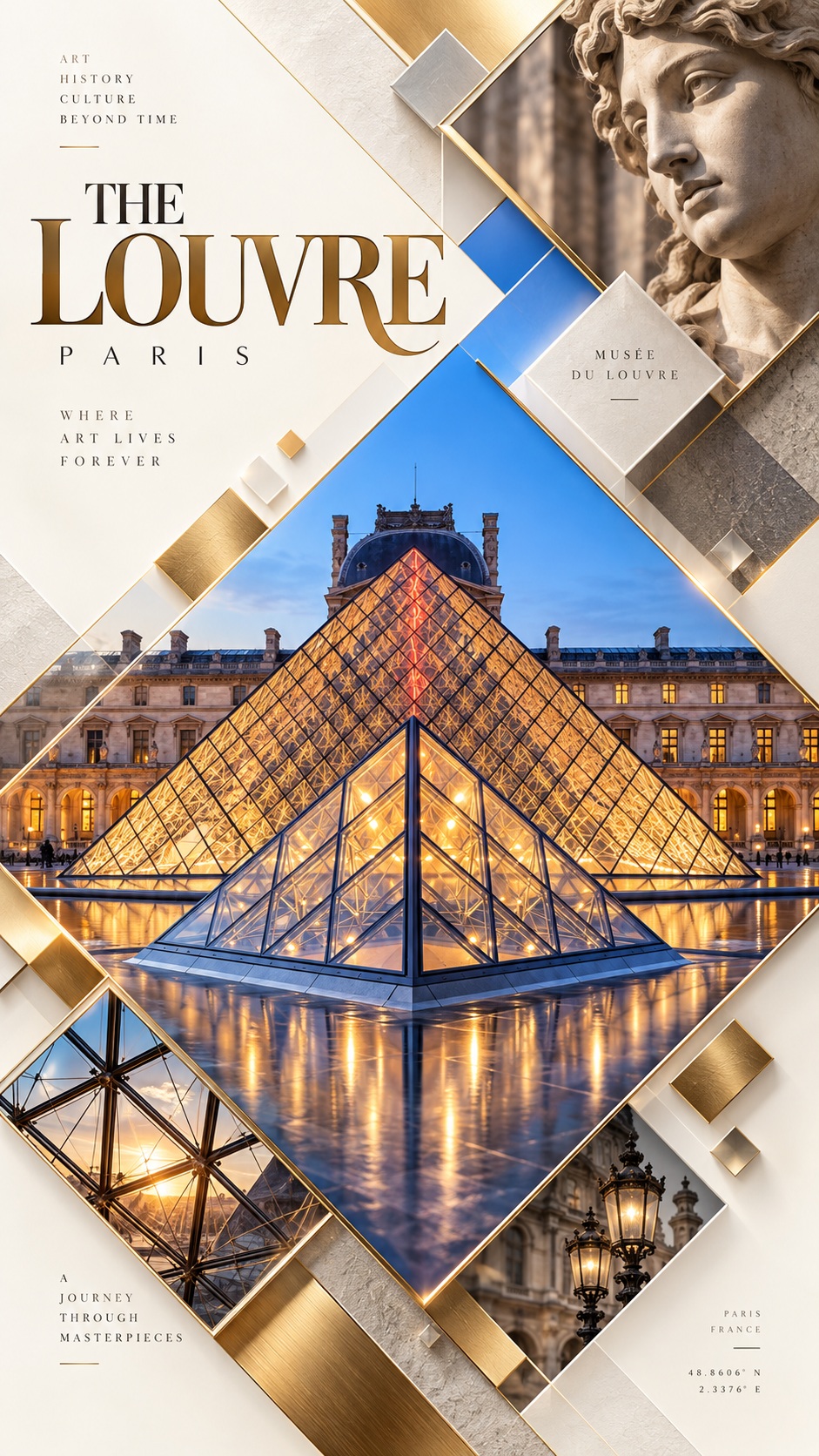
Prompt template
- Format
- Text Parameterized
- Inputs
- Reference_image (image) · Required Aspect_ratio (text) · Optional · Default: vertical 9:16 Visual_style (text) · Optional · Default: automatic selection Exact_text (text) · Optional
- Outputs
- Editorial_design (image)
Create an exceptional premium editorial 3D visual design based on the subject in the supplied reference image.

Format: ${aspect-ratio:vertical 9:16}, or use another ratio if requested.

## Creative analysis
Before designing, analyze the subject and determine:
- Its most distinctive visual symbol.
- Related elements, features, and details.
- A color palette suited to its identity.
- A short, impactful title.
- A concise, engaging supporting phrase, if needed.
- The most suitable artistic approach.

Give each design its own elements, colors, and layout while maintaining a consistent geometric identity across the series.

## Diagonal geometric composition
Build the design around an innovative diagonal geometric system:
- Use diagonal, slanted, and parallel lines.
- Combine square and diamond-shaped frames in varied sizes.
- Integrate realistic imagery into the geometric forms.
- Let elements extend beyond frame boundaries with 3D depth.
- Add small floating squares around the main composition.
- Use precise metallic edges and natural light reflections.
- Layer elements with soft, realistic shadows.
- Preserve generous negative space for a clear, luxurious feel. Integrate elements into the geometric composition itself; do not merely place an image inside a box.

## Color and materials
Choose colors dynamically to suit the subject. Use an ivory, white, or other suitable neutral background, changing it when the subject calls for it. Select only the materials that suit the concept; do not use all of them in one design:
- Brushed metal.
- Satin metallic finishes.
- Frosted glass.
- Polished 3D surfaces.
- Matte architectural materials.
- Premium paper texture.

## Visual style
Automatically choose one of these styles, or use a specific style requested by the user:
- A — 3D SCULPTURAL: A three-dimensional composition in which elements appear to emerge from their frames, with realistic depth and shadows.
- B — ARCHITECTURAL CUTOUT: A precise architectural composition, with elements distributed within connected diagonal frames.
- C — EDITORIAL MINIMALISM: A clean, elegant design with generous white space and simple, restrained geometric details.
- D — CINEMATIC LUXURY: A sophisticated cinematic composition with professional lighting, realistic materials, and rich detail.

## Text and typography
Create a main title inspired by the subject, with a short supporting phrase if needed. Use clear, professional typography, sized in proportion to the composition. Spell all text correctly; do not include meaningless or unintelligible text, and avoid repetition. Use diacritics (tashkeel) only when needed. If the user provides specific text, reproduce it exactly without modification or shortening. For religious text, follow the original wording strictly and do not paraphrase.

## Layout and composition
Arrange elements to suit the subject rather than following a rigid template. Include:
1. A clear visual focal point.
2. A cohesive, unmistakable diagonal composition.
3. Secondary elements that support the narrative.
4. A legible, balanced title.
5. Enough negative space to keep the design from feeling crowded or cluttered.

Vary the placement of imagery and titles across designs.

## Accuracy and realism
Respect the subject’s authentic identity. Preserve the accuracy of landmarks, logos, and symbols; do not invent historical or architectural details. Use realistic lighting and natural reflections. Avoid visual or textual distortion, arbitrary ornamentation, and elements unrelated to the main concept. Do not add watermarks or extra logos unless specifically requested.

## Signature
Include a small, elegant signature reading “……………” in a position that does not distract from the design, unless the user asks to omit it.

## Final result
Create an exclusive visual work that looks as if it were made by a world-class creative studio. Combine diagonal geometry, intelligent identity, hyperrealism, visual luxury, and innovative creativity. The result should be ultra-photorealistic premium 3D editorial art, with architectural geometry, sophisticated negative space, cinematic lighting, high-end art direction, and 8K quality.
Replace the ${…} placeholders with your values
before using this prompt. See parameters
and defaults below
Parameters
Replace each placeholder with your own value, or use its default when one is provided
${aspect-ratio:vertical 9:16}
aspect-ratio
Default: vertical 9:16
What you'll create
A reference subject inspires a tailored color palette, distinctive symbols and concise typography within a diagonal geometric system. Slanted parallel lines, square and diamond frames, realistic 3D elements and architectural negative space create a luxury editorial visual.
Usage instructions
Frequently asked questions
Must every design use identical colors?
No; subject-specific palettes and elements vary while the geometric identity stays consistent.
How is the title chosen?
The brief calls for a short impactful title derived from the subject’s distinctive visual identity.




Comments
Tried this prompt? Share what you made, compare results, or ask a question