- Category
- Design & Image
- Tags
- person yoshi mario-world
Photorealistic Adult Riding Yoshi in the Mushroom Kingdom
Create a cinematic full-body image of the adult in the reference photo riding an enlarged Yoshi through a vibrant, animated Mario world. Contrast a photorealistic human with polished 3D Nintendo-style scenery, while preserving the reference subject’s appearance and clothing.
By Threads — Published on — Modified on
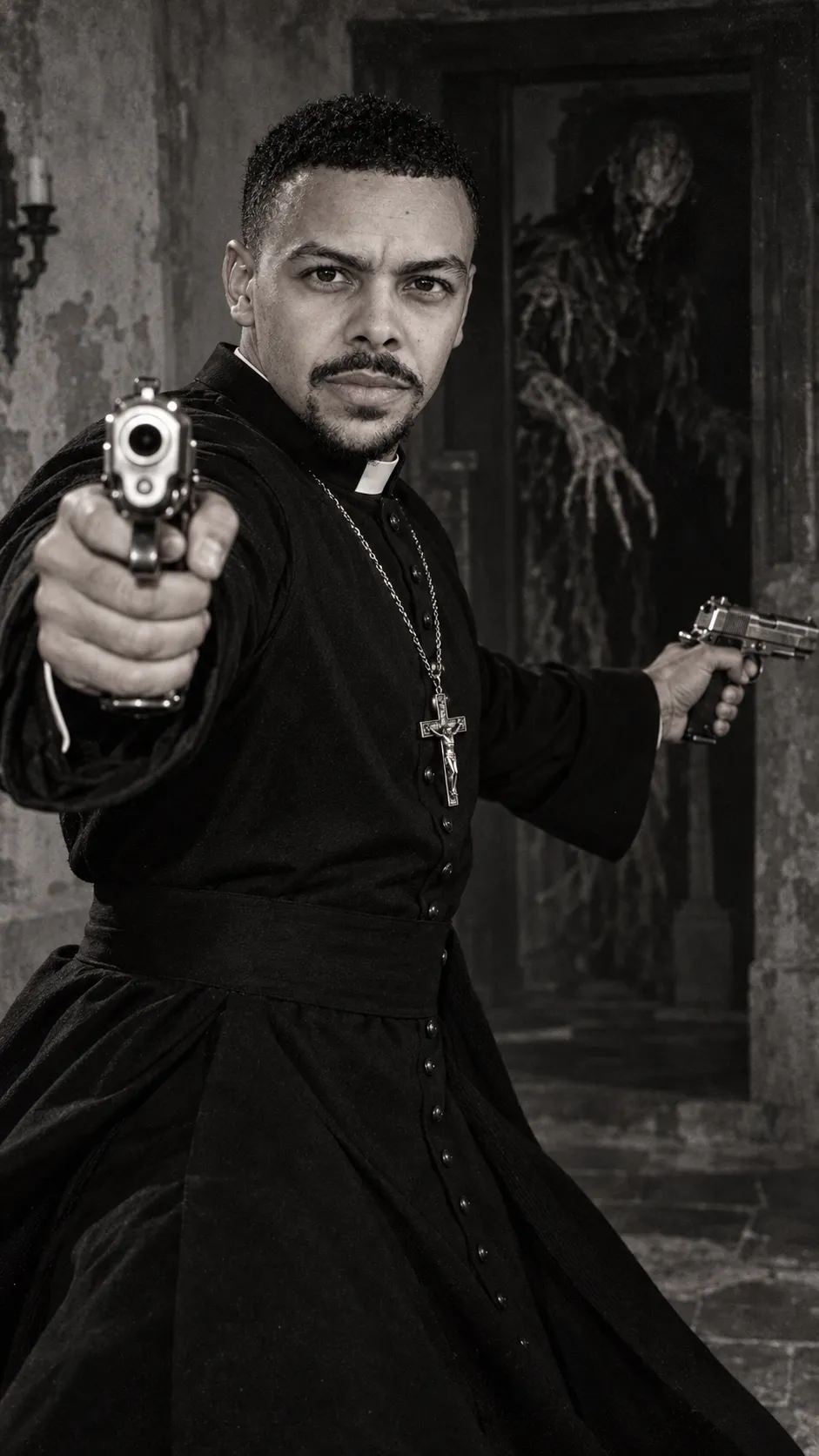
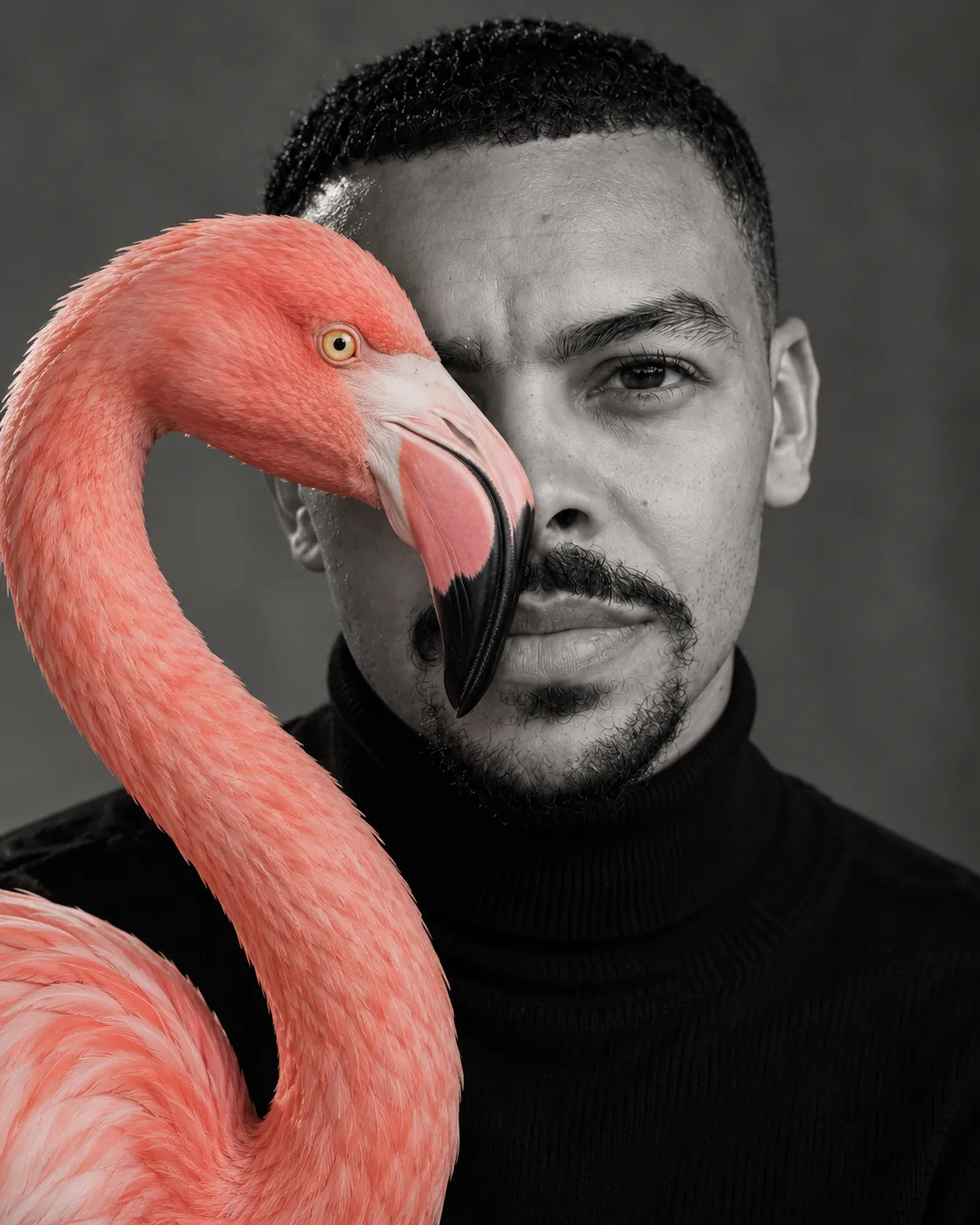
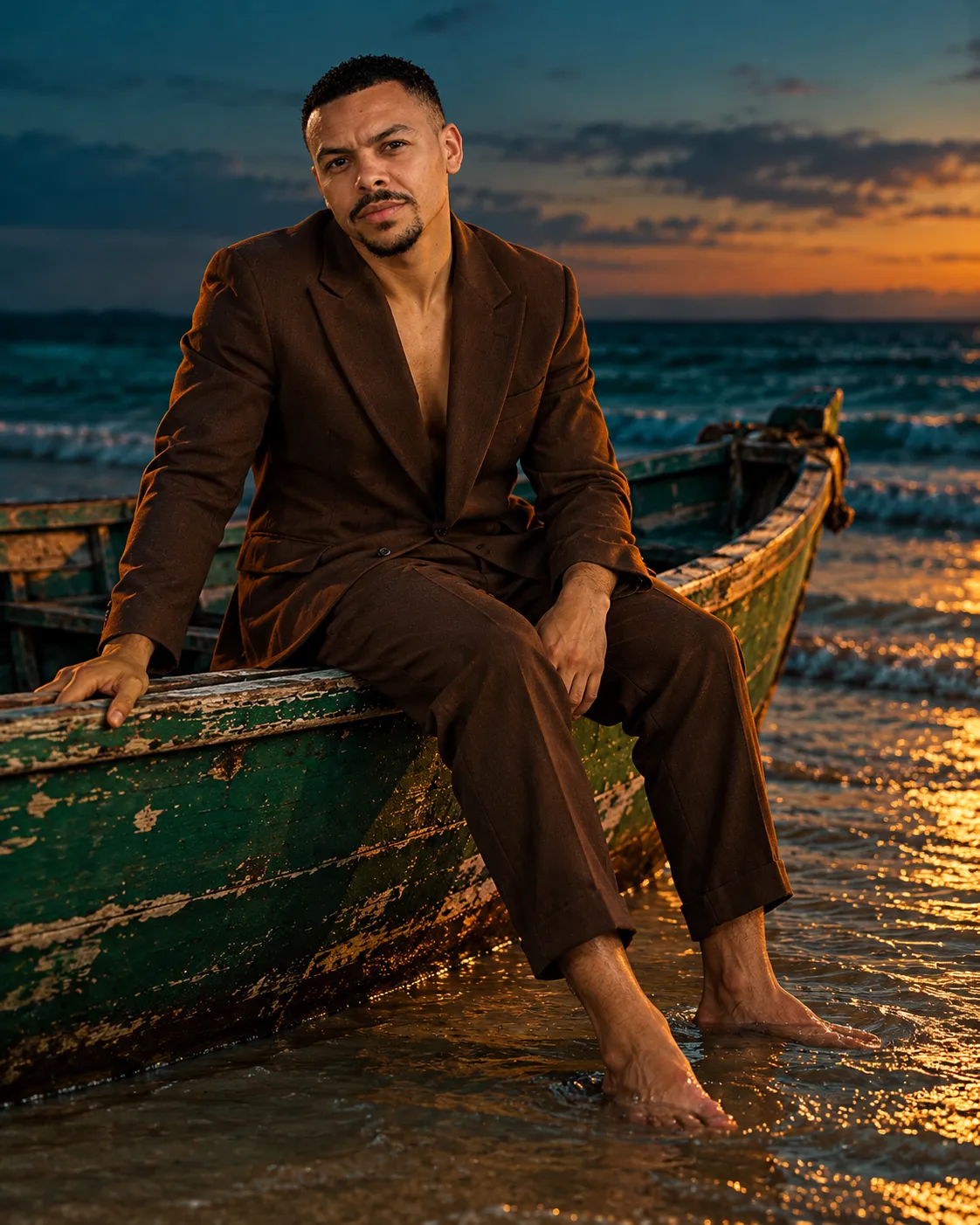
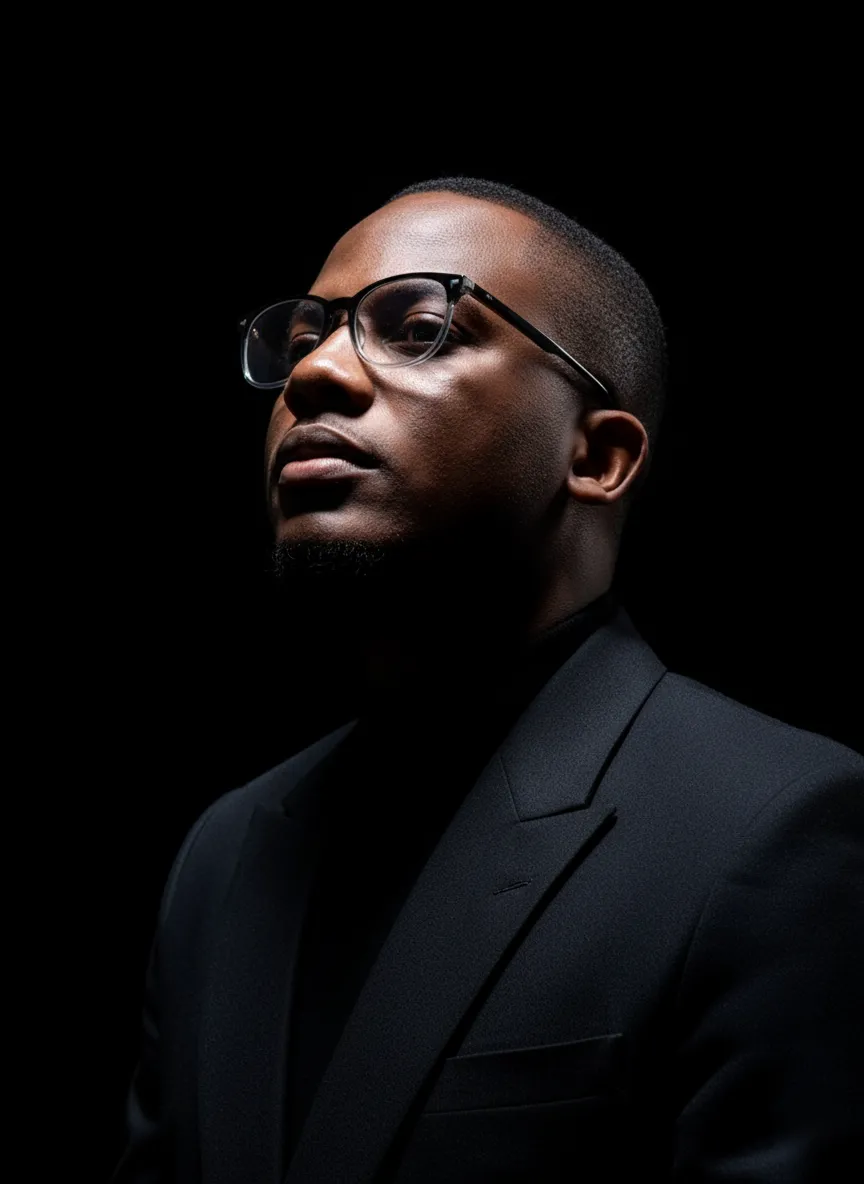
Example images

Prompt template
- Format
- Text
- Inputs
- Reference_image (image) · Required
- Outputs
- Generated_image (image)
Create a dynamic full-body scene of a real human riding on the back of Yoshi, the green dinosaur from the Mario universe, in the middle of an adventure through a vibrant Mario world. Use a cinematic full-body composition showing the subject sitting confidently in Yoshi’s saddle as Yoshi runs or leaps forward through an iconic setting. Use a slightly low, front three-quarter camera angle to give the composition heroic, movie-poster energy, like a frame from The Super Mario Bros. Movie.

SCALE — CRITICAL: The subject is a normal-sized adult human with realistic, entirely natural human proportions. Render Yoshi LARGER THAN NORMAL so he can carry an adult rider—approximately the size of a horse or large riding animal. The human must sit naturally on Yoshi’s back, without appearing cramped, exaggerated, or reduced in size. The human occupies a prominent portion of the image as the true protagonist, not as a tiny figure lost in the environment. Imagine the size relationship of a person riding a horse; use exactly that relationship between the human and Yoshi. The human’s body, limbs, and head must have 100% realistic adult proportions—NEVER miniature, chibi-style, or scaled to match Yoshi’s canonical in-game size. Scale Yoshi to the human, not the other way around.

CRITICAL — FACIAL AND SKIN REALISM: The subject in the reference image is riding Yoshi. This is a face swap and identity transfer, and the human’s photorealism is the most important quality in the entire image. Transfer the subject’s face into this scene with absolute surgical precision. Do not reinterpret, idealize, soften, or generate a face merely inspired by the reference—clone the exact face.

The skin must look unmistakably real—not rendered, retouched, or AI-smoothed. Show visible pores on the nose, cheeks, forehead, and chin. Show stubble follicles emerging from the skin with visible depth and natural variation in density. Include fine vellus hairs on the cheeks and jaw catching the light. Include micro-wrinkles around the eyes and mouth. Show subtle unevenness in skin tone: slight redness around the nose and cheeks, subtle shadows under the eyes, and natural variations in warmth across different facial areas. Include sebum sheen on the forehead, nose, and chin, where real skin naturally catches the light. Show subsurface scattering through the ears and around the nostrils, where light penetrates thin skin. Preserve any mole, mark, scar, or asymmetry from the reference exactly. The pores on the nose should be slightly more visible than those on the cheeks, as they are on real human skin.

Photorealism with zero deviation: match the exact eye shape and color, exact eyebrow arch and hair density, nose shape and nostril structure, and lip shape and fullness—including natural lip texture, fine vertical lines, slight dryness or moisture—along with the jawline, chin, and cheekbone placement. The face must be photographically identical to the reference when compared side by side. Anyone who knows this person should recognize them immediately and without hesitation: not “someone who looks like them,” not “inspired by them,” but the exact human subject.

Give the subject a lively, engaged expression: a natural, excited half-smile or a focused, adventurous gaze, as if genuinely in the middle of the ride. Add a slight wind-driven movement to the clothing and any loose hair visible beneath the cap. The eyes should have realistic moisture, reflections, and depth—bright, but not glassy.

Faithfully reproduce every clothing and accessory detail visible on the subject in the reference: all garments, colors, fit, cap, and visible accessories. Do not change, add, or remove anything. Render the clothing as real physical fabric with visible textile texture, natural drape, authentic folds, and a response to the wind. Cotton should look like cotton. Denim should look like denim. No rendered or plastic-looking texture.

SUBJECT — PHOTOREALISTIC HUMAN: Render the subject in full photorealism: real skin, real fabric, real hair, and real human muscular presence, with no stylization, 3D-animation aesthetic, or cartoon rendering. No smoothing. No “beauty filter” effect. The subject should look like a real person photographed on medium-format film, integrated seamlessly into the animated Mario world around them. The visual contrast between the photorealistic human and the animated 3D environment should be intentional, striking, and cinematic—like a real person who has fallen into a Nintendo world. The human’s realism is what sells the entire image.

RIDING POSE — CRITICAL: The subject is seated in Yoshi’s red saddle in the classic pose of Mario riding Yoshi: body leaning slightly forward with the momentum, one hand holding the front of the saddle or Yoshi’s reins for balance, and the other hand either raised in excitement or holding on as well. The legs are naturally straddled across Yoshi’s back, with full adult-sized legs and knees bent naturally around Yoshi’s enlarged body. The pose is dynamic, balanced, and confident—not stiff or posed. The body’s weight should visibly shift with Yoshi’s movement, as if captured mid-stride or mid-leap.

YOSHI — PREMIUM NINTENDO 3D RENDERING, ENLARGED: Render Yoshi in the exact premium 3D style of The Super Mario Bros. Movie and official Nintendo key art, with theatrical Illumination/Nintendo quality, but scale him large enough to carry a normal-sized human rider—approximately horse-sized. Give him smooth green skin with subtle micro-detail on the surface, soft specular highlights, Nintendo-approved material quality, a rich saturated green color, a white belly, a red saddle with visible fabric texture (scaled appropriately for an adult rider), orange shoes, and large expressive eyes with bright reflections. Show Yoshi running or leaping, with his legs in dynamic motion and tail extended for balance. His mouth is slightly open in a happy, adventurous expression, and his eyes look forward with energy.

MARIO WORLD ENVIRONMENT — CRITICAL: Set the scene in an iconic Mushroom Kingdom environment rendered in the exact visual style of The Super Mario Bros. Movie. Include glowing green warp pipes of different heights emerging from the ground, with Piranha Plants peeking out of some pipes with toothy smiles; rolling green hills dotted with round shrubs and trees with circular green canopies and brown trunks; floating brick blocks and yellow question-mark blocks suspended in the air; stylized, fluffy white clouds with simple smiling faces drifting across a vibrant, saturated blue sky; and distant silhouettes of castles or mountains on the horizon. Scatter Super Mushrooms—red and white—across the grass. Add floating golden coins spinning in the air and catching the light. Use rich, saturated Nintendo colors, physically based lighting, clean modern 3D modeling, and polished cinematic quality. Scale the world correctly around the enlarged Yoshi and human: adjust the pipes and environment so the scene feels balanced with a normal-sized human as the main character.

MOTION AND ATMOSPHERE: Add subtle motion blur to Yoshi’s legs and the ground below to indicate forward movement. Show a few stylized blades of grass and small particles kicked up by Yoshi’s stride. Give the floating coins slight motion trails. Let the subject’s clothing catch the wind. Use gentle atmospheric depth: keep the foreground sharp while the background recedes softly with a light depth haze.

LIGHTING — CRITICAL: Use bright, cheerful cinematic daylight matching the look of The Super Mario Bros. Movie. Add warm golden sunlight from an angled key light above and slightly behind the subjects, casting natural, soft shadows, with gentle fill from the vibrant blue sky. Lighting on the photorealistic human must match the animated world exactly: the same warm key light, soft fill, and color temperature, so the photographed face and clothing blend seamlessly into the scene. Add a soft rim light along the subject’s silhouette from the sky. Let green light reflected from the grass softly tint the lower body. The integration must feel physically grounded, not composited. Let the light reveal skin texture and pore detail with natural clarity, without flattening them.

CAMERA AND FILM — CRITICAL: Shot on a Hasselblad 500C/M with a Zeiss Planar 80mm f/2.8 lens, loaded with Kodak Portra 400. Use medium-format rendering: capture the human subject with the Hasselblad’s characteristic micro-contrast, giving real skin exceptional three-dimensional presence and clinical, pore-level detail. Resolve individual pores, stubble roots, fine skin hairs, micro-variations in skin tone, and the moist reflective surface of the eyes with the unmistakable clarity of medium-format film. Keep the surrounding animated 3D world in its clean Nintendo-film aesthetic, but apply the same layer of film grain for cohesion. Use light medium-format grain, the warm color rendering of Portra 400, slight halation around the brightest highlights, and a gentle natural vignette at the edges. The result: a real person captured on medium-format film—visibly and tangibly real, pores and all—riding through a Nintendo movie.




Comments — 0