Photo and Han Stone-Relief Comic Split
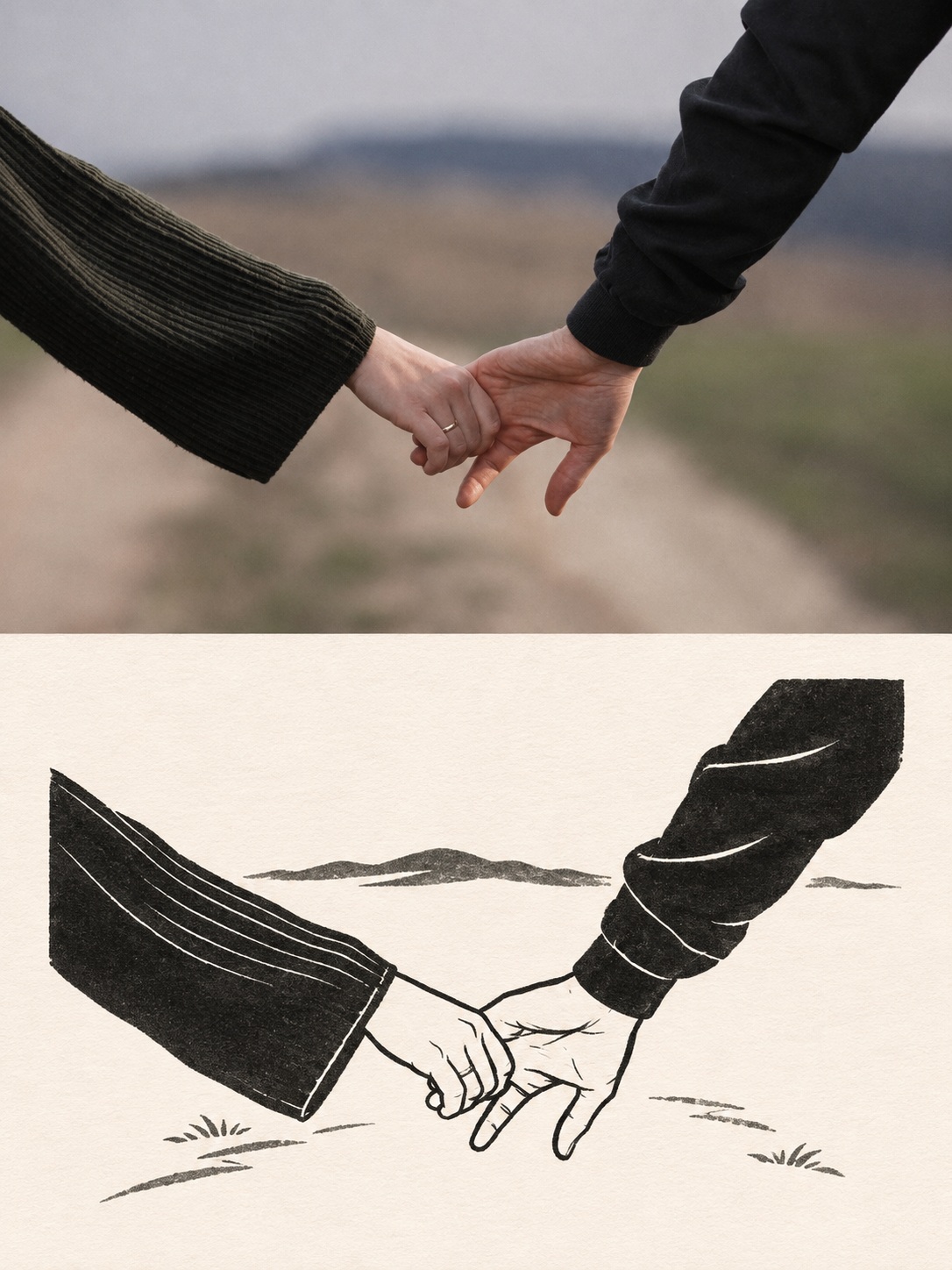
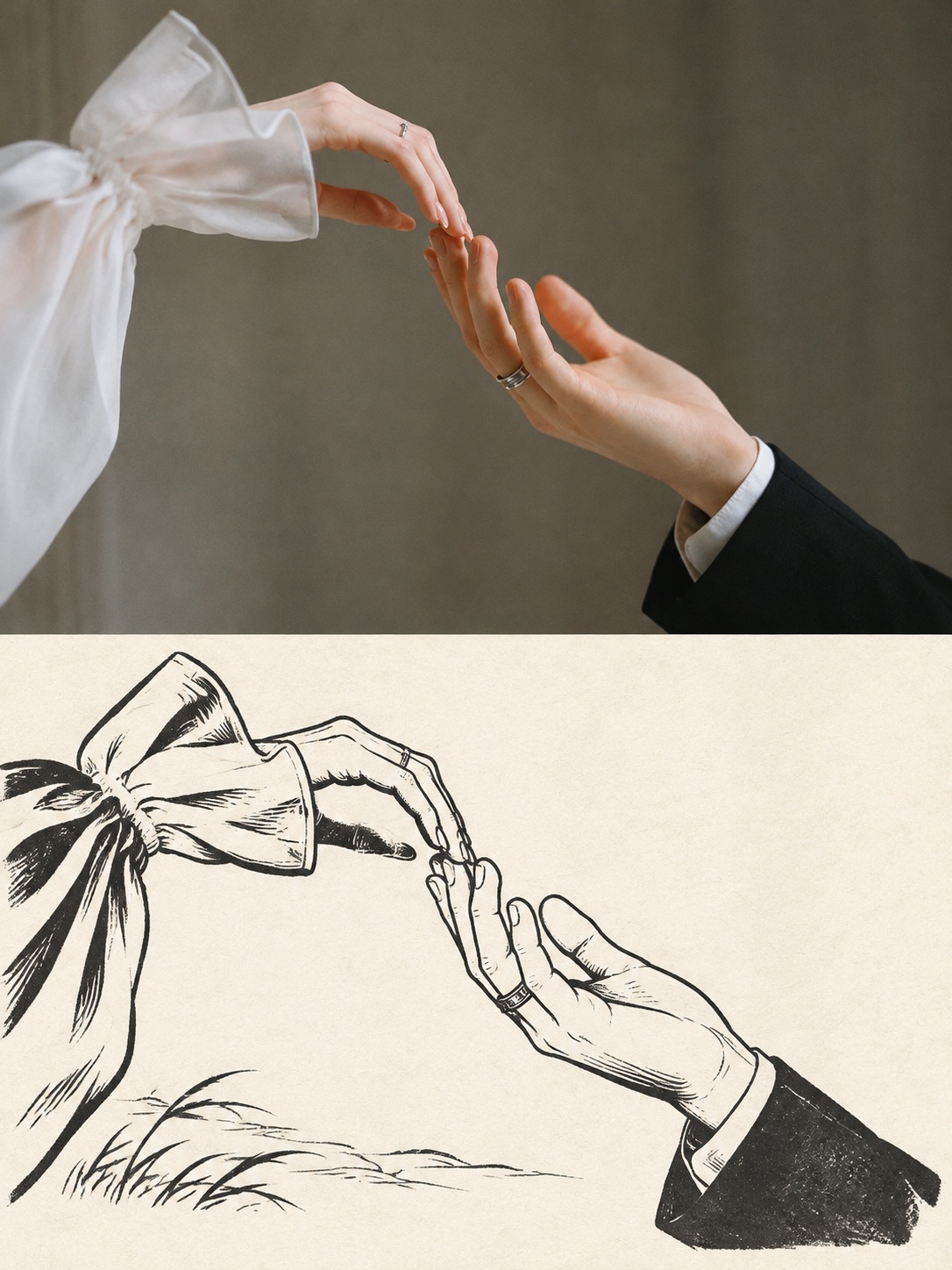
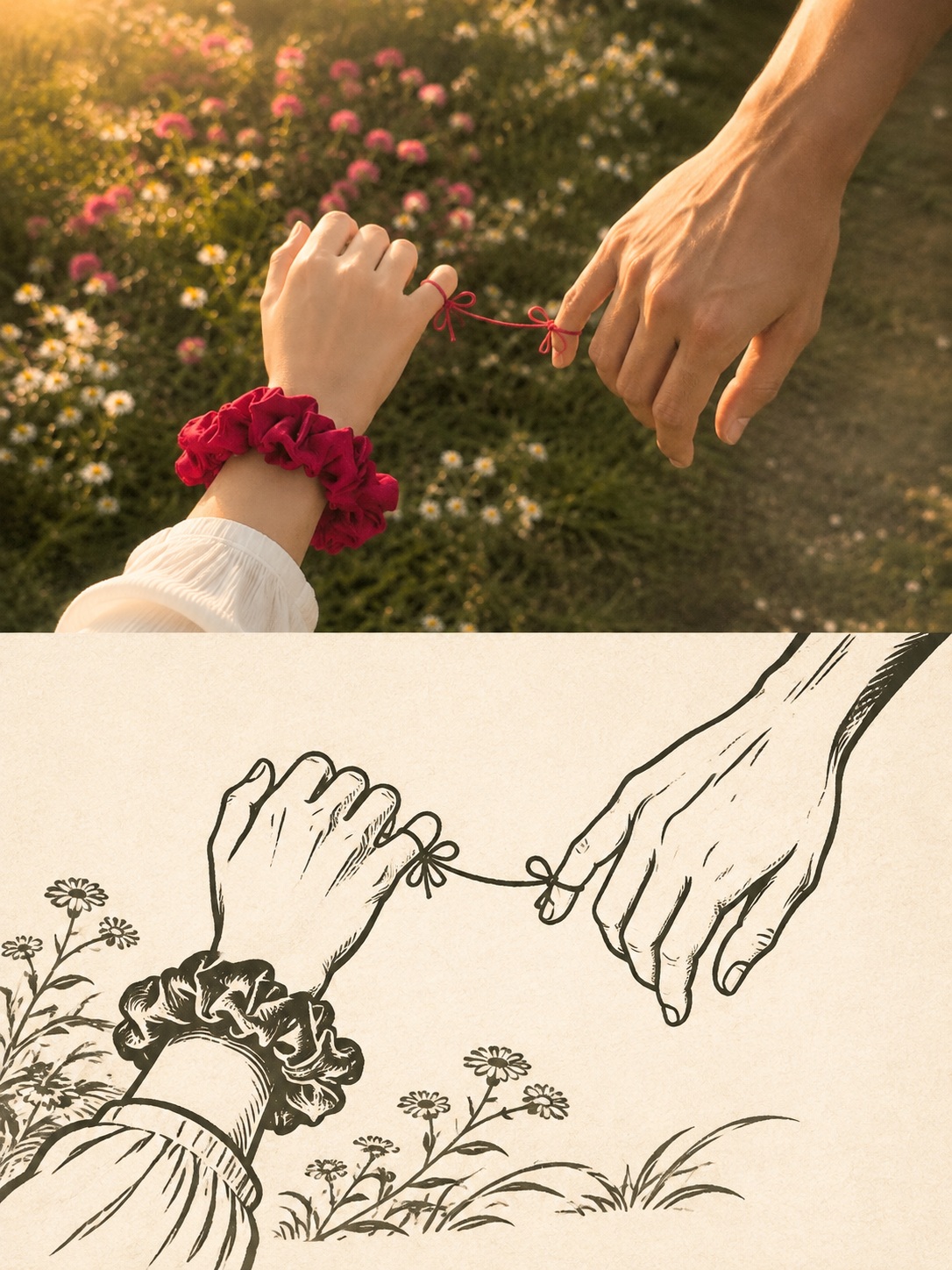
Create a vertical composition pairing the unchanged original photo with a black-and-white comic rendering of the same moment, inspired by Han dynasty stone-relief rubbings.
Example outputs
Prompt template
- Format
- Text
- Inputs
- Reference_photo (image) · Required
- Outputs
- Split_photo_and_comic_image (image)
Using only the single photo uploaded for this task as the reference, create one 3:4 vertical image combining “the original photo + a comic in the style of Han dynasty stone-relief rubbings.” Produce one image only; do not create a montage or combine multiple images. Divide the canvas into two equal-height, equal-width sections, each occupying 50% of the total canvas. For example, on a 1200 × 1600 pixel canvas, each section is 1200 × 800 pixels. Join the sections directly at the center, with no gap, border, dividing line, or overlap; do not let either section cross the midpoint.

Use the original photo directly in the top half. Preserve the subject’s identity, number, facial features, hairstyle, clothing, expression, body proportions, pose, key objects, architectural structure, perspective, occlusion, spatial relationships, natural lighting, and original colors. Do not redraw, retouch faces, remove color, recolor, relight, mirror, add or remove subjects, stretch, or distort. Make only the necessary proportional resizing and peripheral cropping of nonessential areas, prioritizing the subject and action. If both cannot be retained, add the smallest amount of neutral padding; do not invent environmental details or use blurred fill. Add no text to the top half.

In the bottom half, redraw the same moment as a single two-dimensional black-and-white comic. Extract the main subjects, their most distinctive outer contours, key actions, and points of contact. For people, preserve face shape, facial-feature placement, hairstyle, apparent age, clothing, expression, and pose. For animals, preserve breed characteristics, pattern divisions, and pose. For architecture and landscapes, preserve key contours, perspective, and spatial relationships. Maintain the number and orientation of subjects, their relative distances, occlusion, and interactions. Do not dress anyone in historical clothing, elongate limbs, change the original photo’s viewpoint, or add characters, props, or plot elements.

Build the forms from clearly defined ink-black shapes, using a small amount of dark gray only to distinguish adjacent dark areas. Prioritize retaining the actual gaps between contours and use the white of the paper to separate adjacent forms. Use a few fine engraved lines to indicate collars, hair strands, fingers, axles, or other essential structures. Keep the eyebrows, eyes, nose, mouth, and expression legible; do not render the face as a solid black silhouette. Engraved lines may have slight angular turns and varied lengths, but should end along the actual structure; do not fill the image with hatching. Distribute black and white to make the action and occlusion readable. Do not simply apply a threshold, inversion, or emboss filter to the photo. Retain only one or two existing environmental cues that indicate the subject’s location or action; do not generate a multi-panel story.

Use bright, warm-white, lightly textured art paper in the bottom half, with extremely subtle paper grain. The comic and essential environmental details should occupy about two-thirds of the lower section, leaving about one-third as natural open space around them, with paper visible on all four sides. Do not force the composition to be centered or shrink the subject into a badge. Let the black shapes follow the contours of the subject and environment; do not add a separate black rectangular background.

Do not include a stele, stone slab edge, relief thickness, cracks, stone chips, dirt, dense noise, gouache effects, or any three-dimensional artifact finish. Do not add Han dynasty clothing, chariot-and-horse patterns, or other historical ornamentation. Do not add a title, dialogue, inscription, seal, logo, or watermark. Simplify any text in the original scene in the lower half into textless shapes.
What you'll create
A single vertical image preserves the source photograph in the upper half and redraws its exact moment below in ink-black shapes on warm-white paper. The lower interpretation uses sparse engraved lines and open paper space while retaining the subjects, action and spatial relationships.
Usage instructions
Provide the single photo that must serve as the sole reference; the prompt preserves its original scene in the upper panel and redraws the same moment below. The 3:4 vertical layout is fixed, so adjust the source photo’s framing only as needed to preserve its subject and action without changing the scene.
Frequently asked questions
Should the lower scene include Han-era clothing or monuments?
No; the historical reference concerns the visual treatment only, with no period costumes, stone slab, chariot motifs or added story elements.
Does the upper half receive the same monochrome treatment?
The original colors and lighting stay intact above; only the lower half becomes a black-and-white drawing.




Comments
Tried this prompt? Share what you made, compare results, or ask a question